In a nutshell
- Must-see icons include the Great Wall, Beijing landmarks, and Shanghai’s skyline.
- Historic cities like Xi’an and Suzhou add depth beyond the main metropolises.
- Nature highlights include Yangshuo, Zhangjiajie, Yunnan, and scenic river landscapes.
- Regional food and local neighborhoods are essential parts of the China travel experience.
- First-time itineraries work best when focused on a few regions connected by rail.
China is the kind of destination that refuses to fit into one neat travel box. You can walk on the Great Wall in the morning, sip coffee under futuristic skyscrapers in Shanghai by night, and still feel like you have barely scratched the surface. If you are looking for the best things to do in China, the smartest move is to mix icons, local culture, food, and landscapes into one memorable trip.
That means balancing headline sights with slower moments: a temple courtyard in Beijing, dumplings in Xi’an, pandas in Chengdu, karst peaks in Yangshuo, and maybe a train ride that makes you feel suspiciously efficient. China is huge, layered, and gloriously intense in the best possible way. Below, you will find the experiences worth building an itinerary around.
Top experiences to include in a China itinerary
The best way to explore China is to combine historic landmarks, major cities, natural wonders, and regional food. A first trip should include a few classics, but also one or two places that show the country’s variety beyond postcard icons.
If you want a solid shortlist, these are the experiences that consistently deliver:
- Walk a scenic section of the Great Wall of China
- Explore imperial landmarks in Beijing
- See the skyline and neighborhoods of Shanghai
- Visit the Terracotta Army in Xi’an
- Eat your way through Chengdu and meet giant pandas
- Cruise or hike through the karst scenery of Yangshuo and Guilin
- Experience the surreal peaks of Zhangjiajie
- Discover old towns, temples, and minority cultures in Yunnan
In short: yes, you can absolutely do the big names. But if you only collect landmarks like fridge magnets, you will miss the real magic. China is at its best when one jaw-dropping monument is followed by a noodle shop you cannot stop talking about for the next six months.
Beijing and the Great Wall
Beijing is one of the essential stops for anyone planning things to do in China. It combines imperial history, famous monuments, traditional hutongs, and easy access to the Great Wall, making it ideal for a first-time visit.
Walk the Great Wall of China
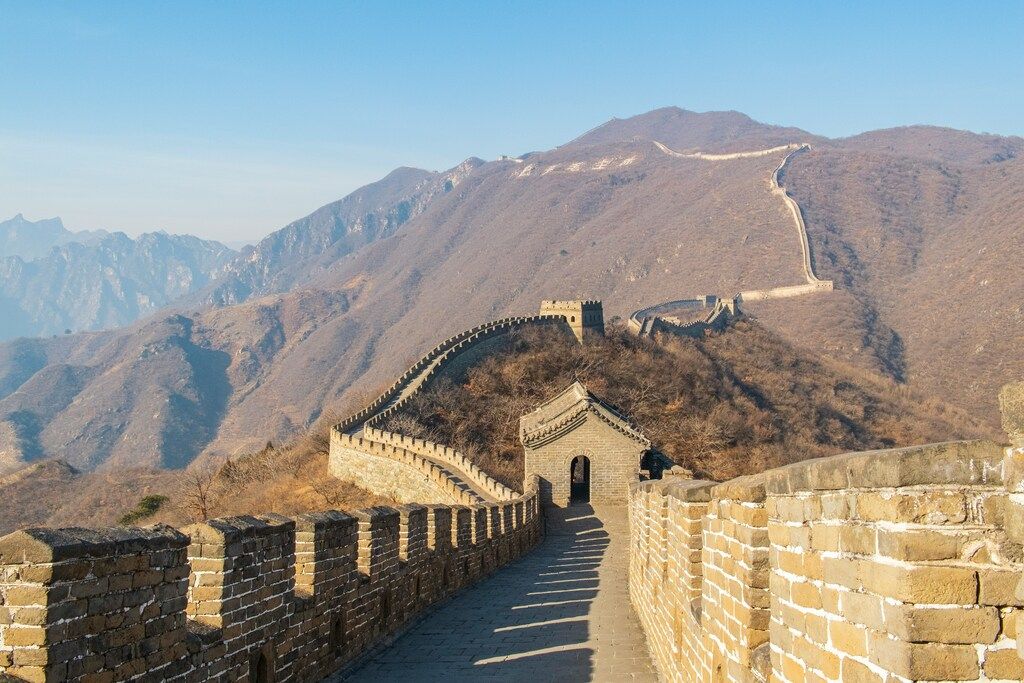
The Great Wall of China is the country’s most famous attraction for a reason. It is vast, historic, and surprisingly emotional in person, especially when you choose the right section based on your pace, interests, and tolerance for crowds.
Popular sections include:
- Mutianyu: well-restored, scenic, and easier for first-timers
- Badaling: the most famous and accessible, but often crowded
- Jinshanling: better for hikers and photography
- Simatai: dramatic views and a more rugged feel
If you want the classic first-time experience, Mutianyu is often the sweet spot. It gives you those cinematic wall-snaking-over-the-hills views without feeling like you accidentally joined a stadium exit queue.
Explore Beijing’s imperial side
Beijing offers more than the wall. The city is packed with landmarks that explain China’s dynastic history, political symbolism, and urban transformation, all within a surprisingly manageable sightseeing circuit.
Do not miss:
- Forbidden City for imperial architecture and history
- Tiananmen Square for its political significance
- Temple of Heaven for elegant design and local life
- Summer Palace for lakes, gardens, and pavilions
- Hutongs for a more intimate look at old Beijing
The contrast is part of the fun. One minute you are inside a palace complex that housed emperors, and the next you are in a narrow alley hunting for sesame bread like it is a life mission. Honestly, that feels like excellent travel planning.
Shanghai and China’s modern energy
Shanghai is where many travelers see China’s contemporary side at full volume. The city blends colonial-era boulevards, futuristic skyscrapers, art spaces, food streets, and fashionable neighborhoods into one energetic urban experience.
Start with the essentials:
- Walk along The Bund for classic skyline views
- Head up a tower in Pudong for panoramic cityscapes
- Wander the French Concession for cafes and leafy streets
- Visit Yu Garden and the old bazaar area
- Explore museums, design shops, and contemporary galleries
Shanghai is polished, fast, and stylish, but it is not all steel and glass. It has pockets of calm, heritage, and excellent people-watching. Also, if you enjoy skylines, this city will absolutely show off and expect applause.
Historic cities worth adding beyond Beijing and Shanghai
After the two headline cities, adding one or two historic destinations helps create a richer and more balanced itinerary. Xi’an, Suzhou, and water-town areas near Shanghai are especially rewarding for culture-focused travelers.
Xi’an for the Terracotta Army and old city walls
Xi’an is one of the most important historic cities in China. It is famous for the Terracotta Army, but it also offers ancient walls, Muslim Quarter street food, and a strong sense of China’s dynastic past.
Top things to do in Xi’an include:
- Visit the Terracotta Army
- Cycle or walk on the Ancient City Wall
- Try local dishes in the Muslim Quarter
- See the Big Wild Goose Pagoda
The Terracotta Army really is one of those rare attractions that lives up to the hype. Thousands of life-sized figures, all with different features, standing there like they have been waiting centuries just for your slightly stunned expression.
Suzhou for gardens and canals
Suzhou is ideal if you want a slower, more elegant side of China. Known for classical gardens, canals, and refined architecture, it makes a good cultural stop from Shanghai or part of a broader eastern China route.
Its highlights include the Humble Administrator’s Garden, canal areas, and traditional streets where the pace softens noticeably. If Shanghai is all bright lights and ambition, Suzhou is the graceful friend who arrives perfectly dressed and never needs to raise their voice.
Nature and outdoor adventures in China
China is not only about megacities and monuments. The country also offers extraordinary landscapes, from limestone peaks and rice terraces to sandstone pillars and mountain gorges that feel almost unreal.
| Destination | Best for | Main experience |
|---|---|---|
| Yangshuo | Scenic relaxation | River cruises, cycling, karst landscapes |
| Zhangjiajie | Dramatic nature | Sandstone pillars, glass bridges, hikes |
| Yunnan | Cultural landscapes | Old towns, mountains, rice terraces |
| Jiuzhaigou | Colorful alpine scenery | Lakes, waterfalls, forest trails |
Yangshuo and Guilin for classic scenery
Yangshuo and Guilin are among the most iconic natural destinations in China. They are known for karst peaks, river views, rice fields, and a slower rhythm that contrasts beautifully with the country’s major cities.
Best activities here include:
- Bamboo rafting or cruising on the Li River
- Cycling through villages and farmland
- Exploring local markets and caves
- Watching sunset over the karst hills
This is the China of ink-painting dreams. The scenery is so pretty it can feel suspiciously edited, as if nature added a soft filter and then just walked away, very pleased with itself.
Zhangjiajie for surreal mountain views
Zhangjiajie is one of the most unique places in China for outdoor lovers. Its towering stone pillars, mountain trails, and panoramic viewpoints create one of the country’s most unforgettable landscapes.
Come here for:
- The Zhangjiajie National Forest Park
- Skywalks and glass bridges
- Cable cars and scenic viewpoints
- Photography in misty mountain conditions
Yes, these are the mountains people compare to Avatar. And yes, they really do look fantastically strange. Your camera will work overtime here, and your legs may file a formal complaint.
Food, local culture, and everyday experiences
Some of the best things to do in China are not monuments at all. They are food-based, neighborhood-based, and delightfully ordinary in the best sense: morning markets, tea houses, dumpling shops, parks, and street scenes.
For many travelers, food is the thread that ties the whole trip together. Regional cuisines vary enormously, so what you eat in one city can feel completely different in the next.
- Beijing: Peking duck, snacks in hutongs
- Xi’an: hand-pulled noodles, roujiamo, dumplings
- Chengdu: hotpot, Sichuan dishes, tea houses
- Shanghai: soup dumplings, noodles, modern dining
And then there is Chengdu, a city that somehow manages to be laid-back and wildly flavorful at the same time. Visit the panda base, then reward your bravery with Sichuan food that may lovingly set your mouth on fire. Character building, truly.
Practical tips for planning a first trip
A trip to China is easier when you focus on a few regions rather than trying to cover everything. Distances are large, but the transport network is strong, especially between major cities connected by high-speed rail.
Useful planning tips:
- Pick 3 to 5 bases instead of rushing across the whole country
- Use high-speed trains for city-to-city travel when possible
- Bring multiple payment options and check app access before departure
- Travel in spring or autumn for more comfortable weather
- Allow time for both icons and unstructured wandering
Budget-wise, many travelers find China offers strong value, though costs vary by city and travel style. In many areas, $1000 USD can go a long way for a short trip or backpacking itinerary, while premium hotels and fast-paced city travel will naturally raise the total.
You may also come across social topics linked to modern China, such as the 4-2-1 rule, which refers to one child supporting two parents and four grandparents, or the so-called 3-hour rule, often mentioned in discussions about online gaming limits for minors. These are not travel activities, of course, but they help explain parts of the country’s contemporary social context.
How to choose the best places for your travel style
The best destinations in China depend on whether you love history, food, city life, or nature. A well-planned route should match your pace and interests, rather than trying to tick every famous place off one giant list.
Here is a quick way to decide:
- For first-time highlights: Beijing, Great Wall, Shanghai, Xi’an
- For food lovers: Chengdu, Xi’an, Shanghai
- For landscapes: Yangshuo, Zhangjiajie, Yunnan
- For slower cultural travel: Suzhou, Yunnan, water towns
If you ask what activities people do in China, the answer is wonderfully broad: sightseeing, hiking, food tours, temple visits, shopping, tea culture, river cruising, cycling, and lots of walking punctuated by snack breaks. Frankly, a very respectable national hobby set.
And if you are ready to experience all this with like-minded travelers, take a look at the group trips by WeRoad for China and discover the destination in a social, easy, and adventure-filled way.
Excerpt: Discover the best things to do in China, from the Great Wall and Shanghai to Xi’an, Chengdu, Yangshuo, and Zhangjiajie.
FAQ | Things to do in China
- What are the best things to do in China for first-time visitors?
-
For a first trip, focus on Beijing, the Great Wall, Shanghai, and Xi’an. These destinations combine history, modern city life, famous landmarks, and great food.
- Is $1000 USD a lot in China?
-
It can be a reasonable amount for a budget or mid-range short trip, especially outside the most expensive areas. Your overall costs depend on transport, hotels, dining style, and trip length.
- What activities do people do in China?
-
Travelers in China typically visit landmarks, explore temples and old towns, hike in nature parks, take food tours, cruise rivers, shop in markets, and enjoy tea culture and local parks.
- How many days do you need for a trip to China?
-
For a first visit, 10 to 14 days is a good minimum. It gives you enough time to combine two or three major cities with one scenic or cultural region.
- What is the best time to visit China?
-
Spring and autumn are usually the best seasons for travel. Weather is milder, and sightseeing is more comfortable in cities as well as natural areas.