In a nutshell
- Top highlights in Egypt include Giza, Cairo museums, Luxor, Aswan, and the Red Sea.
- The Nile cruise is one of the best ways to connect major historic sites.
- Luxor and Aswan offer temples, tombs, felucca rides, and Nubian culture.
- The Red Sea adds snorkeling, diving, and beach time to a classic Egypt itinerary.
- Local food, markets, and slower moments make the trip feel richer and more personal.
Egypt is one of those rare destinations that can genuinely do it all: ancient wonders, buzzing cities, river journeys, desert landscapes, and coral-rich coastlines. If you are looking for the best things to do in Egypt, start with the classics, then leave room for surprises. That is usually when Egypt really shows off.
Yes, the Pyramids of Giza are spectacular. Yes, a Nile cruise is every bit as dreamy as it sounds. And yes, the Red Sea is outrageously blue, like someone turned the saturation up for no reason other than pure drama. But beyond the headline acts, Egypt also rewards travelers who slow down, wander, and stay curious.
Egypt’s must-see highlights at a glance
The top experiences in Egypt combine archaeology, culture, and nature. Most first-time travelers focus on Cairo, Luxor, Aswan, and the Red Sea coast, which creates a balanced itinerary with iconic landmarks, local life, and time to relax. If you want the greatest hits, this is the winning lineup.
If your time is limited, these are the experiences that deserve a spot on your itinerary:
- Visit the Pyramids of Giza and the Great Sphinx
- Explore Cairo’s museums, especially the Grand Egyptian Museum
- See the temples and tombs of Luxor
- Take a Nile cruise between Aswan and Luxor
- Relax or snorkel in the Red Sea
That said, Egypt is not a “tick the box and go home” kind of place. It is more like “I will just have one site today” and then suddenly you are standing inside a tomb at 9 a.m., bargaining for a lamp at 4 p.m., and eating your body weight in koshari by sunset. A perfectly respectable travel schedule, frankly.
Cairo and Giza: ancient icons and urban energy
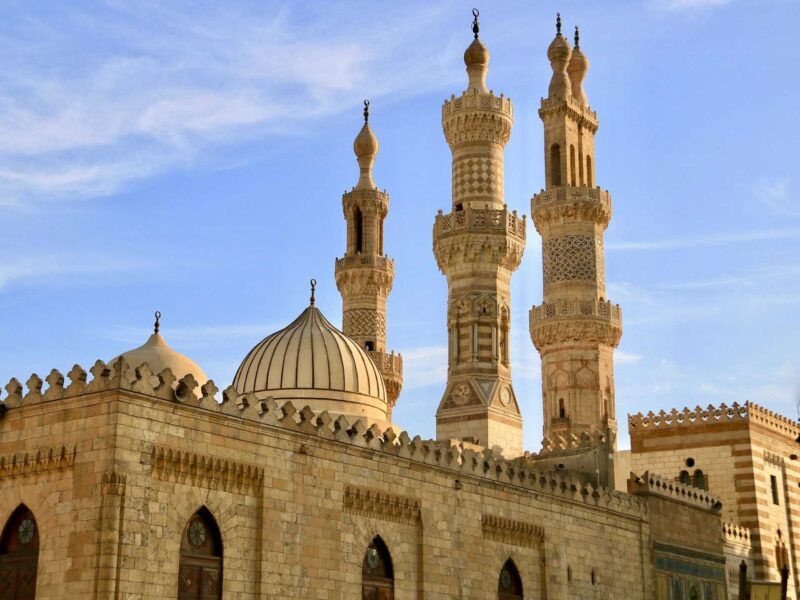
Cairo and Giza deliver Egypt’s most famous sights, but they also reveal its modern rhythm. This is where world-famous monuments meet intense traffic, neighborhood cafés, and lively markets. Plan at least two days here if you want to experience more than a quick snapshot.
The Pyramids of Giza and the Sphinx
The Pyramids of Giza are Egypt’s defining landmark and a must for any first visit. Seeing the last remaining wonder of the ancient world in person is unforgettable. Arrive early for softer light, fewer crowds, and a better chance to enjoy the site without feeling rushed.
The Giza plateau includes the pyramids of Khufu, Khafre, and Menkaure, plus the iconic Great Sphinx. Walking through the complex gives you a real sense of scale that photos never quite capture. The stones are enormous, the history is mind-bending, and the desert setting still feels cinematic even with the city nearby.
If you want the classic photo with panoramic views, head to the viewpoint area. Camel rides are available, though it is wise to agree on the price clearly in advance. Egypt is magical, but surprise costs have a way of appearing faster than a scarab in a souvenir shop.
Museums and historic districts in Cairo
Cairo’s museums and old quarters provide the context behind the monuments. They help transform ruins and statues into stories about pharaohs, dynasties, religions, and everyday life. This part of the trip adds depth, especially if it is your first time in Egypt.
The Grand Egyptian Museum is the standout for many travelers, with vast collections and a modern layout near Giza. If you have time, pair it with older areas of the city such as:
- Khan el-Khalili for atmosphere, tea, and souvenirs
- Islamic Cairo for mosques and medieval streets
- Coptic Cairo for churches and layered history
Do not underestimate the appeal of simply wandering. One minute you are admiring intricate architecture, the next you are buying spices you cannot identify with total confidence. Travel thrives on this kind of questionable optimism.
Luxor and Aswan: temples, tombs, and the Nile
Luxor and Aswan are essential for understanding ancient Egypt beyond the pyramids. They offer monumental temples, royal tombs, and some of the country’s most memorable river landscapes. If Cairo is the dramatic introduction, southern Egypt is where the story opens up properly.
What to see in Luxor
Luxor is often called the world’s greatest open-air museum, and the title feels earned. The city and its west bank hold some of Egypt’s most important archaeological sites. Give yourself at least two full days here to avoid rushing through extraordinary places.
Top experiences in Luxor include:
- Karnak Temple, famous for its colossal columns
- Luxor Temple, especially beautiful at sunset
- Valley of the Kings, with richly decorated tombs
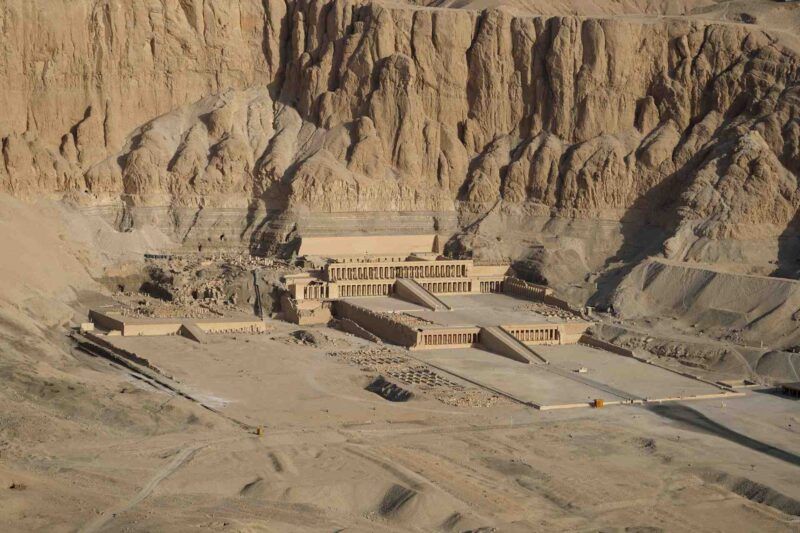
- Temple of Hatshepsut, set dramatically against the cliffs
- A hot-air balloon ride at sunrise over the west bank
The Valley of the Kings is one of the best things to do in Egypt if you love history, art, or simply the idea of descending into an ancient royal burial chamber before breakfast. It is hard not to feel dramatic about it. You are, after all, literally tomb-hopping.
What to do in Aswan
Aswan offers a calmer pace, beautiful Nile scenery, and a strong connection to Nubian culture. It is an excellent contrast to the intensity of Cairo and the monument-heavy days in Luxor. Many travelers find it one of Egypt’s most pleasant and atmospheric stops.
While in Aswan, consider these highlights:
- Visit Philae Temple, dedicated to Isis
- Take a felucca ride on the Nile
- Explore a Nubian village
- Plan a trip to Abu Simbel
Abu Simbel is absolutely worth the early wake-up. The temples built by Ramses II are among the most impressive sites in Egypt, and the fact that they were relocated to save them from flooding makes the whole experience even more extraordinary. Ancient engineering is impressive enough; moving an entire temple complex is just showing off.
Nile cruise or land trip?
A Nile cruise is one of the most rewarding ways to experience Egypt, especially between Aswan and Luxor. It combines major sights with a slower travel pace and scenic moments on the river. For many travelers, it is the easiest way to connect the country’s historic highlights.
Choosing between a cruise and a land-based itinerary depends on your travel style. Here is a quick comparison:
| Option | Best for | Main advantage | Things to consider |
|---|---|---|---|
| Nile cruise | First-time visitors | Comfortable, scenic, efficient | Less flexibility |
| Land trip | Independent travelers | More freedom and time control | More planning and transfers |
| Private guided trip | Travelers wanting ease plus flexibility | Personalized itinerary | Usually higher cost |
If you dream of watching palm groves, temples, and sleepy villages slide by from the deck, choose the cruise. If you prefer total freedom and spontaneous detours, go overland. Either way, the Nile River is not just transport. It is part of the experience, and a very photogenic one at that.
The Red Sea: snorkeling, diving, and beach time
The Red Sea adds a completely different side to Egypt. After days of temples and tombs, the coast offers coral reefs, clear water, and time to unwind. It is ideal for travelers who want a mix of culture and sea without changing countries or sacrificing sunshine.
The most popular Red Sea destinations include Hurghada, Marsa Alam, Sharm el-Sheikh, and Dahab. Each one has a slightly different vibe, from resort-focused to laid-back and dive-oriented.
Best Red Sea destinations compared
Choosing the right Red Sea base depends on whether you want easy resort access, serious diving, or a more independent atmosphere. All of them offer beautiful water and marine life, but the overall travel experience can feel quite different from one place to another.
| Destination | Best for | Vibe | Top activity |
|---|---|---|---|
| Hurghada | Resorts and day trips | Lively and easy | Boat snorkeling tours |
| Dahab | Independent travelers | Relaxed and bohemian | Diving and shore snorkeling |
| Sharm el-Sheikh | Comfort and marine excursions | Polished and resort-based | Reef trips and beach stays |
| Marsa Alam | Nature lovers | Quieter and wilder | Snorkeling with rich marine life |
If your ideal vacation includes floating over coral gardens while pretending you are in a nature documentary, the Red Sea will not disappoint. Even non-divers often end up obsessed after one snorkeling trip. Fish here seem to have a stronger commitment to color coordination than most humans.
Local food, markets, and everyday experiences
Some of the best things to do in Egypt are not tied to famous monuments. Eating local food, sailing on a felucca, or sipping tea in a busy café can become the moments you remember most. These smaller experiences help balance the grand scale of Egypt’s historic sites.
Make room for everyday pleasures such as:
- Tasting koshari, Egypt’s beloved comfort food
- Trying grilled meats, mezze, and fresh flatbread
- Drinking mint tea in a local café
- Browsing markets for spices, textiles, and lanterns
- Watching sunset from a boat on the Nile
You do not need every hour planned. In fact, Egypt often works better when you leave a little space for detours, rooftop views, and accidental snacks. Especially accidental snacks. Those are rarely accidental for long.
How many days do you need in Egypt?
Most travelers need at least 7 to 10 days to see Egypt’s major highlights without rushing too much. This allows time for Cairo, Luxor, Aswan, and either a Nile cruise or a short Red Sea extension. With two weeks, you can travel at a more comfortable pace.
- 5-6 days: Cairo, Giza, and Luxor at a fast pace
- 7-10 days: Cairo, Nile route, and key ancient sites
- 10-14 days: Add the Red Sea or Alexandria
- 2+ weeks: Include slower travel and offbeat stops
The sweet spot for first-time visitors is usually around 10 days. Enough to see the essentials, not so much that you start greeting every statue like an old colleague. Although, to be fair, some of them do have that kind of presence.
Final travel tips for planning your Egypt itinerary
Egypt is easier to enjoy when you plan around distance, weather, and energy levels. The country offers a lot, but the best itineraries are paced carefully. Mix landmark-heavy days with lighter moments, and prioritize early starts for major outdoor sites.
- Travel between October and April for milder weather
- Start major visits early to avoid heat and crowds
- Dress respectfully, especially at religious sites
- Carry cash for tips, small purchases, and local transport
- Allow downtime between long travel days and temple visits
In the end, the best things to do in Egypt depend on what kind of traveler you are. History lover, sea chaser, museum nerd, market wanderer, sunrise collector: there is space for all of you here. And if you want to experience it with like-minded people, discover the WeRoad group trips to Egypt and start planning your adventure.
FAQ
- What are the top things to do in Egypt for first-time visitors?
-
For a first trip, focus on the Pyramids of Giza, Cairo’s museums, Luxor, Aswan, a Nile cruise, and some time on the Red Sea.
- Is Egypt good for both history and beach holidays?
-
Yes. Egypt is one of the best destinations for combining ancient sites with seaside relaxation, especially if you pair Cairo and the Nile with Hurghada, Dahab, or Sharm el-Sheikh.
- How many days should I spend in Egypt?
-
Around 7 to 10 days is ideal for a first trip. It gives you enough time to see the main highlights without turning your vacation into a full-time logistics internship.
- Is a Nile cruise worth it in Egypt?
-
For many travelers, absolutely. A Nile cruise makes it easy to visit key sites between Luxor and Aswan while enjoying the scenery and reducing travel stress.
- What is the best time to visit Egypt?
-
The best time to visit is generally from October to April, when temperatures are more comfortable for sightseeing and outdoor activities.