In a nutshell
- A versatile destination: Mexico offers an extraordinary mix of ancient ruins, vibrant cities, beaches, food experiences, and outdoor adventures, suitable for every type of traveler and budget.
- Must-visit cities: Mexico City, Oaxaca, Guadalajara, Guanajuato, and San Miguel de Allende are the most significant urban destinations, each with its own cultural, historical, and gastronomic identity.
- Top attractions: Highlights include major archaeological sites (Chichén Itzá, Teotihuacán, Palenque), the cenotes of the Yucatán Peninsula, and the beaches of the Riviera Maya, the Caribbean, and Los Cabos.
- Best time to visit and budget: The ideal travel window runs from November to April. Costs are accessible: smaller cities allow you to cover food, transport, and entry fees for around $100/day, while upscale beach resorts require a higher budget.
- How to plan your first trip: Choose 2-3 complementary destinations (e.g. city + cultural site + beach) with a minimum of 10-14 days, ideally starting from Mexico City as the main hub.
Mexico offers an extraordinary mix of ancient ruins, vibrant cities, colonial towns, beaches, food experiences, and outdoor adventures. Whether you want to explore the museums of Mexico City, swim in a cenote in the Yucatán Peninsula, or ride through canyons in the north, the country delivers variety at every turn.
And that is exactly why planning a trip here can feel a bit like opening a menu with 200 amazing options and suddenly forgetting how to choose. The good news? Mexico is one of those rare destinations where you can mix culture, nature, relaxation, and tacos in one gloriously overachieving itinerary.
What are the best things to do in Mexico?
The best things to do in Mexico include visiting archaeological sites, exploring major cities, enjoying beaches and cenotes, tasting regional cuisine, and discovering colonial towns. A well-rounded itinerary usually combines at least one cultural city, one historical site, and one nature or coastal experience for a fuller picture of the country.
If you are visiting for the first time, start with the classics and then add one or two places that match your travel style. Mexico can be many things at once: a history lesson, a street-food marathon, a beach break, and an accidental shopping spree you will blame on “local craftsmanship”.
- Explore Mexico City for museums, markets, and historic landmarks
- Visit Chichén Itzá, Teotihuacán, or Palenque
- Swim in cenotes in the Yucatán
- Relax in Tulum, Puerto Vallarta, or Los Cabos
- Eat regional specialties in Oaxaca and Puebla
- Wander colonial streets in Guanajuato or San Miguel de Allende
- Take the El Chepe train through Copper Canyon
Which cities should you visit in Mexico?

The best cities to visit in Mexico depend on your interests, but several stand out for culture, architecture, food, and atmosphere. First-time visitors often combine one large urban destination with one colonial city and one coastal town to experience different sides of the country in a single trip.
Each Mexican city has its own personality. Some are elegant, some are chaotic in a charming way, and some make you wonder whether moving there immediately would be irresponsible or simply visionary.
Mexican food is far more than tacos and guacamole. Each region has its own distinct culinary identity, so eating your way through the country is itself a kind of cultural journey. In Oaxaca, you should not leave without trying mole, tlayudas, and a glass of mezcal. In the Yucatán, cochinita pibil and fresh ceviche are staples worth seeking out. Puebla is the birthplace of chiles en nogada and a refined mole tradition, while Mexico City offers everything at once, (from street-side tacos al pastor to upscale restaurants reinterpreting pre-Hispanic ingredients. Wherever you go, local markets are the best place to eat well, spend little, and understand what a region truly tastes like.
Mexico City
Mexico City is one of the most rewarding urban destinations in the Americas. It offers world-class museums, historic squares, leafy neighborhoods, excellent food, and easy day trips. It is ideal for travelers interested in history, art, nightlife, and everyday local life.
Top experiences include the Zócalo, the National Museum of Anthropology, Chapultepec Park, the Frida Kahlo Museum, and neighborhoods like Roma, Condesa, and Coyoacán. Add street tacos, a rooftop sunset, and maybe Xochimilco if you enjoy colorful boats and cheerful chaos.
Oaxaca
Oaxaca region is known for its rich indigenous heritage, exceptional cuisine, colorful markets, and nearby archaeological sites. It is one of the best places in Mexico for travelers who want culture and food in equal measure, ideally with a side of mezcal and absolutely no regrets.
Visit Santo Domingo, browse local markets, explore Monte Albán, and try regional dishes such as mole, tlayudas, and memelas. If your schedule allows, time your trip around Día de los Muertos for one of Mexico’s most meaningful cultural celebrations.
Guadalajara and Tequila
Guadalajara combines history, music, and urban energy, while nearby Tequila adds one of Mexico’s most iconic day trips. This area is especially appealing for travelers interested in mariachi traditions, architecture, and agave landscapes recognized by UNESCO.
In Guadalajara, explore the historic center, visit Hospicio Cabañas, and enjoy the local food scene. In Tequila, tour distilleries, see the agave fields, and sample tequila where it actually comes from. It turns out tequila tastings are much more educational when repeated several times. For science.
Guanajuato and San Miguel de Allende
Guanajuato and San Miguel de Allende are two of Mexico’s most beautiful colonial cities. They are ideal for architecture lovers, slow travelers, and anyone who enjoys walking scenic streets, visiting churches, and pretending every pastel-colored doorway might lead to a perfect boutique hotel.
Guanajuato stands out for its tunnels, hills, plazas, and lively student atmosphere. San Miguel de Allende is more polished, with art galleries, rooftop restaurants, and elegant baroque buildings. Both work well as a short cultural escape or part of a central Mexico itinerary.
What are the top attractions in Mexico?
Mexico’s top attractions include archaeological wonders, natural landmarks, colonial centers, and marine destinations. These places are popular for a reason: they represent the country’s diversity and are often the highlights travelers remember most long after the holiday photos stop getting likes.
| Attraction | Region | Best for | Suggested time |
|---|---|---|---|
| Chichén Itzá | Yucatán | Mayan history | Half day |
| Teotihuacán | Near Mexico City | Ancient pyramids | Half day |
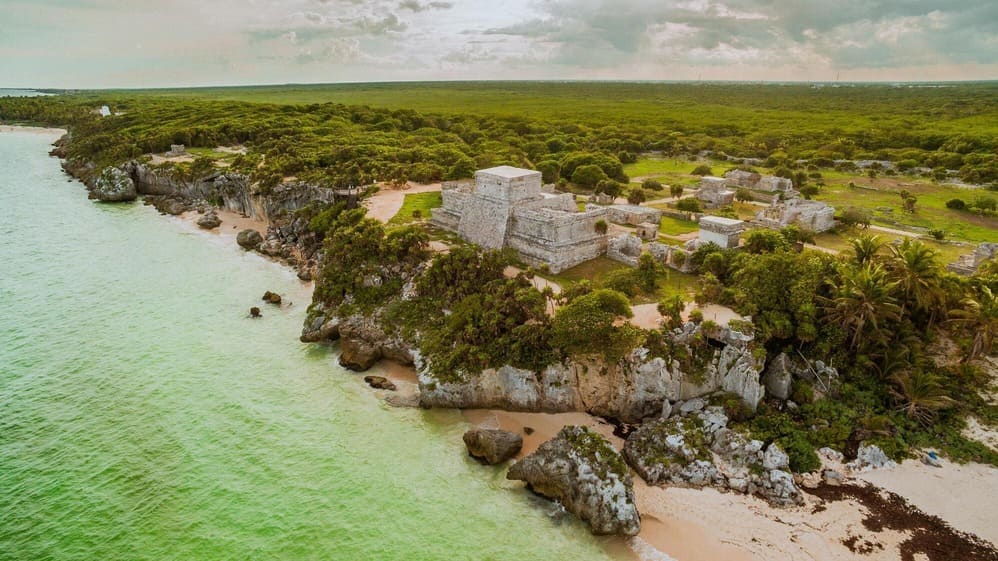
| Tulum ruins | Riviera Maya | Sea views + archaeology | 2-3 hours |
| Palenque | Chiapas | Jungle ruins | Half day |
| Copper Canyon | Chihuahua | Scenery and train journeys | 2-3 days |
| Cenotes | Yucatán Peninsula | Swimming and snorkeling | Half day |
Chichén Itzá, Teotihuacán and Palenque
These sites are among the most significant archaeological attractions in Mexico. They offer different historical and visual experiences, from monumental pyramids to jungle-covered temples. Visiting at least one of them helps connect a Mexico trip with the country’s deep pre-Hispanic past.
Chichén Itzá is the most famous and easiest to combine with the Yucatán. Teotihuacán is perfect from Mexico City and impresses with its scale. Palenque feels more atmospheric, tucked into the lush landscape of Chiapas. Basically, if ruins are your thing, Mexico is showing off.
Cenotes and beaches in the Yucatán Peninsula
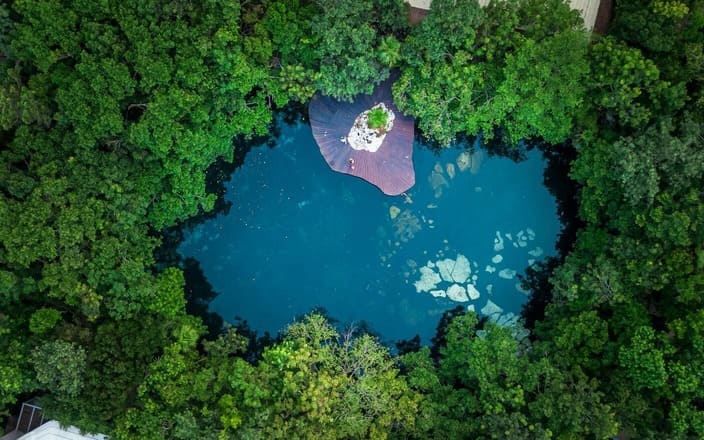
The Yucatán Peninsula is one of the best regions in Mexico for combining nature, swimming, and cultural sites. It is especially popular for cenotes, Caribbean beaches, island escapes, and easy access to major Mayan ruins.
Base yourself in Tulum, Playa del Carmen, Valladolid, or Mérida depending on your style. Swim in cenotes such as Dos Ojos or Ik Kil, relax on the coast, and add places like Cozumel, Isla Mujeres, or Bacalar. The water here is so blue it occasionally looks digitally edited by nature itself.
What activities can be done in Mexico?
Mexico offers a wide range of activities, including historical sightseeing, food tours, hiking, snorkeling, diving, whale watching, surfing, market visits, and cultural festivals. It suits couples, families, solo travelers, and groups because activities can easily be tailored to different budgets and travel styles.
If you want ideas beyond “lie on a beach and become emotionally attached to guacamole,” here are some of the most popular options.
- Take a food tour in Mexico City, Oaxaca, or Puebla
- Join a cooking class to learn regional dishes
- Swim or snorkel in cenotes and reef areas
- Dive in Cozumel or the Sea of Cortez
- Surf in Puerto Escondido or Sayulita
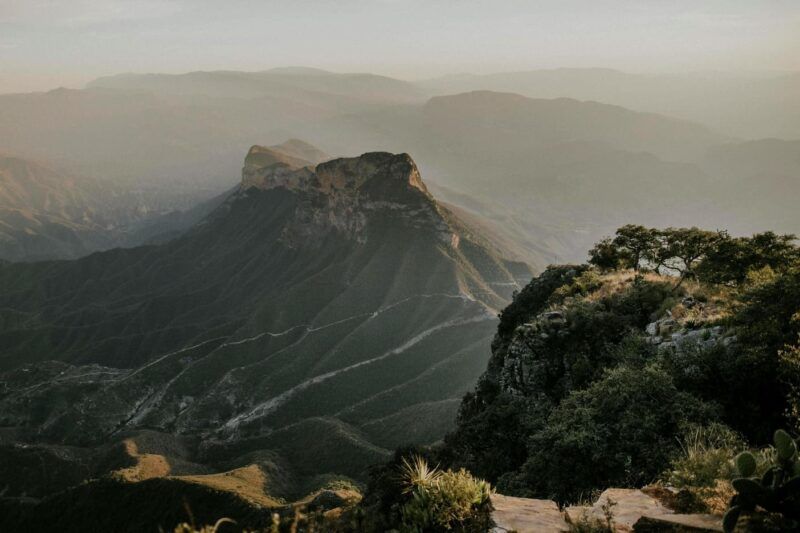
- Hike in Copper Canyon or volcanic areas near Puebla
- Watch whales in Baja California Sur
- Ride trajineras in Xochimilco
- Attend festivals such as Día de los Muertos
- Explore markets for crafts, produce, and street food
How much money do you need for activities in Mexico
Mexico can work for a wide range of budgets, from backpacker trips to luxury holidays. Daily costs vary significantly by destination, but many attractions, meals, and local transport options remain affordable compared with other major travel destinations in North America and Europe.
In practical terms, $100 in Mexico can go far in some places and feel fairly normal in resort-heavy areas. In smaller cities, it may cover a full day of meals, transport, and a few entry tickets. In upscale beach destinations, it might disappear faster than a plate of tacos at a family table.
| Budget level | What it may cover | Best for |
|---|---|---|
| Low | Street food, public transport, basic entry fees | Backpackers |
| Mid-range | Comfortable hotel, restaurants, guided tours | Most travelers |
| High | Boutique stays, private tours, fine dining | Luxury trips |
Even a small amount can buy something useful. In many places, $5 in Mexico may get you a snack, coffee, local transport ride, or a few tacos. Not enough for a private yacht, sadly, but definitely enough to improve your afternoon.
Best time for sightseeing and activities
The best time to visit Mexico is generally from November to April, when many regions have drier and more comfortable weather. However, the ideal season depends on where you are going, since Mexico includes tropical coasts, high-altitude cities, and desert landscapes.
For city trips, winter and spring are often the most pleasant. For beaches, the dry season is especially popular. Summer can still be a good option for lower prices and greener scenery, although heat and rain are more likely in some regions.
- November to April: best overall for most itineraries
- December to March: ideal for many beach destinations
- July to October: rainier season in parts of the south and coasts
- Late October to early November: excellent for Día de los Muertos travel
How should you plan a first trip to Mexico
A first trip to Mexico is easiest to plan by choosing two or three contrasting destinations rather than trying to see everything. Combining a major city, a cultural or historical stop, and a beach or nature area usually creates a balanced itinerary without too much travel time.
Here are three strong combinations for first-time visitors:
- Mexico City + Oaxaca + Puerto Escondido
- Mexico City + Guanajuato + San Miguel de Allende
- Mérida or Valladolid + Chichén Itzá + Tulum or Bacalar
If you have more time, add Chiapas, Guadalajara, or Baja California Sur. If you have less time, do not panic and attempt to cross the entire country in six days. Mexico is huge, and your itinerary should not look like a high-stakes race against geography.
Travel tips for visiting Mexico
A smoother trip to Mexico usually comes down to practical planning. Book popular attractions in advance, carry some cash for small vendors, and check local transport options between destinations. Regional differences are significant, so researching each stop individually can improve both comfort and timing.
- Use official taxis or ride apps where available
- Book major museums and popular sites ahead in busy seasons
- Carry small cash for markets, street food, and tips
- Wear sun protection, especially at archaeological sites
- Stay hydrated in high-altitude cities and hot coastal areas
- Check current health and entry advice before travel, including routine vaccination guidance from official medical sources
On health topics, recommendations such as whether typhoid is advised for Mexico depend on your itinerary, eating habits, and medical profile. For anything medical, the smart move is to consult an official travel clinic or your doctor rather than trusting the internet’s enthusiastic uncle-energy.
Discover all our organized trips to Mexico and explore every aspect of this magical country. Among the top tours, you’ll find Mexico 360, to see all the archaeological wonders this land has to offer, and Yucatan Beach Life, to fully enjoy Mexico’s beaches and sunshine.
FAQ
- How many days do you need in Mexico?
-
A good first trip usually needs 10 to 14 days. That gives you enough time to combine a city, a cultural destination, and a beach or nature stop without rushing between regions.
- What is the best place to start a Mexico itinerary?
-
Mexico City is often the best starting point because it has major international connections, outstanding museums, day trips like Teotihuacán, and easy onward flights to other parts of the country.
- What food should you try in Mexico?
-
Try tacos, mole, tamales, ceviche, tlayudas, chiles en nogada, cochinita pibil, pozole, and regional street food. Each state has distinct specialties, which is very convenient if your holiday goal includes eating constantly with purpose.
- Which part of Mexico is best for beaches?
-
The Riviera Maya, Puerto Vallarta, Los Cabos, Huatulco, and Isla Holbox are among the best beach areas, depending on whether you want nightlife, diving, luxury, or a quieter atmosphere.