In a nutshell
- A complete camping packing list starts with the basics: shelter, a reliable sleep system, water, food, weather-appropriate clothing, and safety gear are the true essentials, while comfort items should come only after these are covered.
- Your tent and sleep setup have the biggest impact on comfort: bringing a tent with all its parts, a suitable sleeping bag, insulation from the ground, and dry sleep clothes can make the difference between a restful night and a very long one.
- Clothing and food should be chosen for function, not volume: layers, waterproof outerwear, spare socks, simple meals, enough drinking water, and an efficient cooking kit help you stay comfortable without overpacking.
- The 10 essentials mindset improves safety on any trip: navigation, sun protection, illumination, first aid, fire, tools, backup food, hydration, insulation, and emergency shelter provide a solid framework for both short and longer camping adventures.
- The most forgotten items are usually small but critical: toilet paper, batteries, tent stakes, bug spray, chargers, and basic kitchen tools are easy to miss, which is why a final pre-departure check is one of the smartest steps in the whole planning process.
Camping has a funny way of making simple things feel important again. A dry place to sleep, enough water, a headlamp that actually has batteries, and coffee that tastes vaguely respectable can suddenly feel like luxury. If you are planning your next outdoor escape and wondering what to pack for camping, the smartest approach is to build a checklist around comfort, safety, weather, and the type of trip you are taking.
Some campers travel light and sleep under the stars with barely more than a backpack. Others bring enough gear to create what can only be described as a tiny forest penthouse. Both approaches can work. The secret is not packing everything you own, but bringing the right things for your destination, season, and camping style.
The core camping checklist
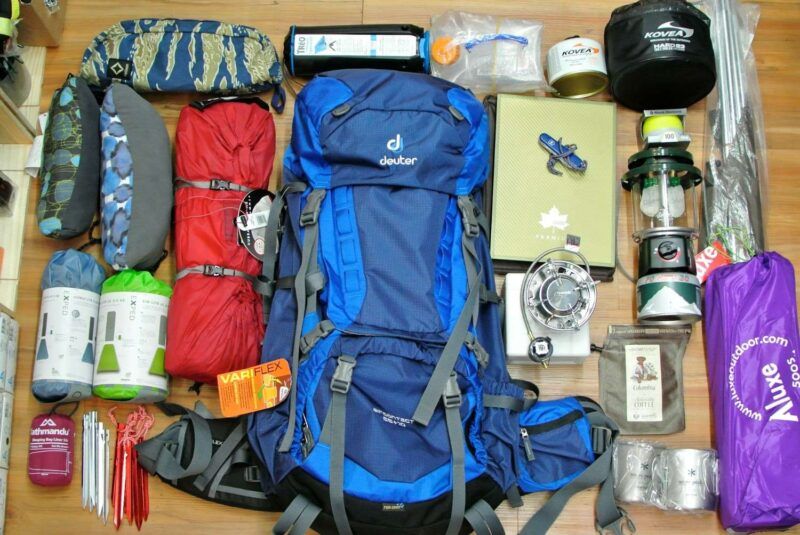
The most useful camping packing list starts with the basics: shelter, sleep system, water, food, clothing, and safety gear. Once these are covered, you can add comfort items and trip-specific extras without turning your car or backpack into a gear-themed puzzle.
Think of this as your non-negotiable foundation. If these items are packed, you are already in good shape:
- Tent, stakes, guylines, and rainfly
- Sleeping bag suited to the expected temperature
- Sleeping pad or air mattress
- Water bottles or hydration reservoir
- Camp stove or cooking method, plus fuel
- Food and snacks for the full trip
- Headlamp or flashlight with extra batteries
- First aid kit
- Weather-appropriate clothing
- Toiletries and toilet paper
- Multi-tool or knife
- Matches or lighter in a waterproof bag
- Map, phone, or offline navigation
That is the bare-bones version. The rest depends on whether you are car camping, family camping, or heading into the backcountry like a person who genuinely enjoys uphill suffering.
Shelter and sleep system
Your shelter and bedding will shape the entire camping experience. A sturdy tent and a warm, dry sleep setup matter more than flashy extras. If you sleep badly, everything feels harder the next day, including making breakfast, tying boots, and pretending mosquitoes are part of the charm.
What to pack for your tent setup
A complete tent setup should protect you from rain, wind, ground moisture, and late-night regret. Pack all the structural pieces together and check them before leaving. Discovering that your poles are still in the garage is a classic camping tradition, but not one worth preserving.
- Tent
- Tent poles
- Stakes
- Rainfly
- Footprint or ground tarp
- Mallet or small hammer
- Repair tape or patch kit
Sleep essentials
A proper sleep system keeps you warm, insulated, and comfortable through the night. Choose gear based on the lowest expected temperature, not the most optimistic forecast. Weather can shift fast, and nature is not especially interested in whether you packed your fluffy blanket or not.
- Sleeping bag
- Sleeping pad or insulated mat
- Pillow or stuff sack with clothes
- Extra blanket for cold nights
- Sleep clothes kept dry and separate
- Earplugs if you are a light sleeper
Clothing to pack for camping
The best camping clothing is practical, layered, and quick to dry. Pack for temperature swings, not just daytime sunshine. Mornings can be cold, afternoons hot, and evenings suspiciously dramatic, especially when the wind arrives exactly as you start feeling smug about your packing skills.
A simple rule is to bring layers you can add or remove easily:
- Moisture-wicking T-shirts
- Long-sleeve layer for sun or bugs
- Fleece or warm mid-layer
- Waterproof jacket
- Quick-dry pants or shorts
- Underwear and spare socks
- Wool socks for cold weather
- Hat for sun
- Beanie for chilly evenings
- Hiking shoes or boots
- Camp shoes or sandals
- Swimwear if relevant
If rain is possible, pack one full dry outfit in a waterproof bag. Few things improve morale faster than changing into dry clothes after a wet hike. It is basically outdoor therapy.
Food, water, and cooking gear
Food and water planning should be realistic, simple, and matched to your campsite setup. Bring enough drinking water, an easy cooking system, and meals that do not require a television-chef level of patience. Hungry campers become fragile philosophers very quickly.
Water essentials
Water is the top priority on any camping trip. You need it for drinking, cooking, and cleanup. If potable water is not available on-site, bring extra and pack a treatment option. Running out of water is not adventurous. It is just a bad plan wearing hiking shoes.
- Reusable water bottles
- Large water jug
- Water filter or purification tablets
- Electrolyte packets for hot weather
Cooking checklist
Your cooking gear should match your menu and your camping style. Keep it compact but functional. The goal is warm meals and easy cleanup, not recreating a five-course restaurant service while balancing a frying pan on a picnic table bench.
- Camp stove and fuel
- Lighter and waterproof matches
- Pot and pan
- Mugs, bowls, plates
- Fork, spoon, knife
- Cooking utensils
- Cutting board
- Cooler and ice packs
- Food storage containers
- Trash bags
- Biodegradable soap and sponge
Easy camping foods to pack include:
- Oats, bread, wraps, rice, or pasta
- Eggs, canned beans, cheese, or pre-cooked proteins
- Fruit, nuts, trail mix, and energy bars
- Coffee, tea, and drink mixes
- S’mores ingredients, because some traditions deserve respect
Safety and the 10 essentials mindset
Safety gear should always be packed before comfort extras. The classic 10 essentials approach helps campers stay prepared for weather changes, minor injuries, navigation issues, and unexpected delays. Even on short trips, a few small items can make a very big difference.
A practical version of the 10 essentials for camping includes:
- Navigation: map, compass, GPS, or offline phone map
- Sun protection: sunscreen, sunglasses, hat
- Insulation: extra layers for cold or wet weather
- Illumination: headlamp or flashlight
- First aid: bandages, medication, blister care
- Fire: lighter, matches, fire starter
- Repair tools: knife, multi-tool, duct tape
- Nutrition: extra snacks or backup meal
- Hydration: enough water and treatment method
- Emergency shelter: tarp, bivy, or spare cover
You may also want insect repellent, a whistle, emergency blanket, and a power bank for your phone. A dead battery in the middle of nowhere is a deeply modern inconvenience.
What people forget most often
The most forgotten camping items are usually small, practical things that become annoyingly important once you arrive. These are not glamorous purchases, but they are the heroes of a smooth trip. Nobody brags about packing toilet paper until they are the only one who did.
Commonly forgotten items include:
- Toilet paper
- Headlamp batteries
- Tent stakes
- Can opener
- Dish towel
- Lighter
- Pillow
- Socks
- Bug spray
- Phone charger or power bank
A smart move is to create one small “last-minute bag” with chargers, documents, keys, medication, and personal items. It saves that delightful pre-departure panic where everyone asks, “Wait, who packed the important stuff?”
Packing by trip type
The right camping checklist changes depending on how and where you camp. Car campers can afford more comfort items, while backpackers need to think carefully about weight. Family campers often pack for chaos management as much as for outdoor survival.
| Trip type | What to prioritize | Optional extras |
|---|---|---|
| Car camping | Tent comfort, cooler, chairs, larger stove | Lantern, tablecloth, extra blankets |
| Backpacking | Lightweight shelter, compact food, water filter | Trekking poles, ultralight pillow |
| Family camping | More food, spare clothes, hygiene items, games | Camp table, extra lighting, kid gear |
| Cold-weather camping | Insulation, warmer sleeping bag, waterproof layers | Hot water bottle, insulated mug |
Useful packing rules for camping
Simple packing rules can help you stay organized and avoid overpacking. They are not universal laws, but they are useful shortcuts when building a list. Think of them as camping wisdom passed down from people who have definitely forgotten a fork at least once.
Here are a few common rules campers use as guidelines:
- 3-3-3 rule when camping: often used informally to mean packing around three core categories: shelter, food, and clothing, with three backup essentials for safety such as light, first aid, and fire.
- 2-2-2 rule for camping: many campers use this as a reminder to pack two ways to make fire, two light sources, and two methods for water or navigation.
These rules are not fixed standards everywhere, but they are handy mental frameworks. If your checklist feels overwhelming, using simple categories makes it easier to spot gaps before you leave.
Final pre-departure check
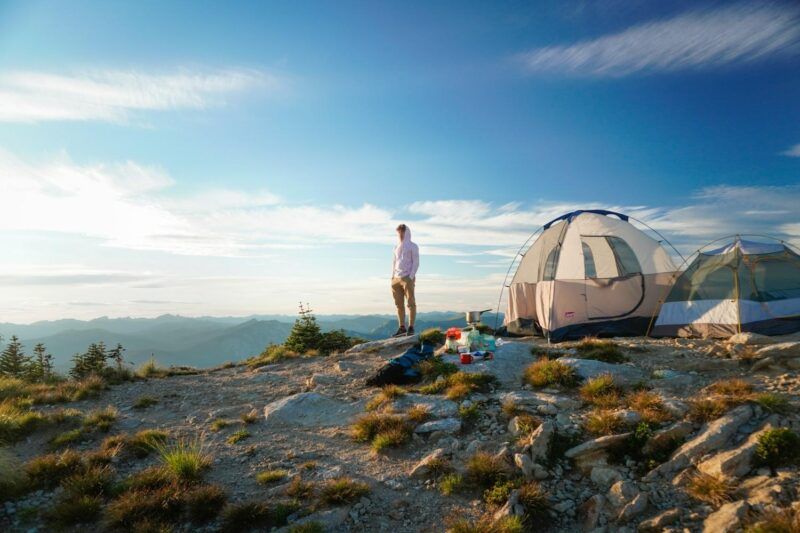
A final gear check helps prevent mistakes and makes arrival at camp much easier. Review your list, check the weather, confirm campsite rules, and pack heavy items low and secure. Ten calm minutes at home can save an hour of grumbling at the campsite.
- Check the forecast and nighttime temperatures
- Confirm if the campsite has water, toilets, or bear storage
- Test lights, stove, and power bank
- Pack food by meal, not at random
- Keep first aid and rain gear easy to reach
Once the essentials are covered, the best part begins: actually enjoying the trip. Fresh air, simple routines, and evenings around the fire have a way of resetting the brain. And if you want to keep the adventure going, discover WeRoad group trips for your next destination and turn one outdoor escape into the start of many more.
FAQ
- What should a beginner pack for camping?
-
A beginner should pack the essentials first: tent, sleeping bag, sleeping pad, water, food, layers, headlamp, toiletries, and a first aid kit. It is better to keep meals simple and choose a campsite with basic facilities for the first trip.
- What is the most important thing to bring camping?
-
The most important things to bring camping are water, shelter, and weather-appropriate gear. In practical terms, water often comes first, because you need it for drinking, cooking, and hygiene. A safe sleep setup and basic safety items are just as important.
- How many clothes should I pack for a camping trip?
-
Pack enough clothing for layering and one backup dry outfit. For a short trip, two to three base layers, spare underwear, extra socks, a warm layer, and waterproof outerwear are usually enough. Avoid overpacking bulky clothes that are hard to dry.
- How do I avoid overpacking for camping?
-
Use a checklist and group items by category: shelter, sleep, clothing, food, hygiene, and safety. Pack for the actual weather and trip length, not every possible scenario. Choosing multipurpose gear and planning meals in advance also cuts down unnecessary weight.
- Can I use the same camping checklist for car camping and backpacking?
-
You can use the same basic checklist, but priorities change. Car camping allows heavier comfort items like coolers and chairs, while backpacking requires lightweight, compact gear. The essentials stay similar, but weight and space matter much more on foot.