In a nutshell
- The sweet spot for Albania is May, June and September: temperatures between 20°C–28°C, warm sea, fully open hiking trails, and far fewer crowds than peak summer.
- July and August bring the electric Riviera atmosphere (festivals, beach clubs, nightlife) but also intense heat exceeding 40°C inland — plan around early mornings and late evenings.
- Every season has its appeal: spring for lush mountain trekking, autumn for vineyard harvests and a quieter coast, winter for authentic city life in Tirana and Gjirokastër with virtually no other tourists.
Albania is often called Europe’s last great wilderness, but timing decides which version of this rugged beauty you’ll encounter. If you go early in the year, you’ll find a landscape vibrant and green; if you wait until late summer, you’ll feel the coast pulsing with Mediterranean heat. The secret is simply choosing the moment that fits your vibe.
While you might think summer is the only option, the best time to visit Albania is actually during the “shoulder” months of May, June, and September. During these windows, you’ll enjoy perfect temperatures (20°C–28°C), fully accessible hiking trails, and a sea that’s already warm enough for a dip. July and August are fantastic if you love the heat, though they often exceed 40°C, while the end of the year brings the refreshing (and wet) Albanian winter.
What makes this country so unique is how sharply its regions diverge. You can find tranquility on the Ionian and Adriatic coasts, explore vineyards and UNESCO cities in the center, or get lost in the raw alpine wildness of the Northern Alps. Read on to discover our month-by-month breakdown and find the perfect window for your next Albanian adventure.
The Golden Window: Why May and June are the Best Months to Explore
May and June represent the “golden window” of the Albanian shoulder season. This is the moment when the country is at its most vibrant, but hasn’t yet been hit by the intense summer rush. If you’re a fan of lush landscapes, you’ll find the hills a neon green and the valleys filled with the scent of wildflowers—it’s arguably the prime time to see the landscape at its most fertile.
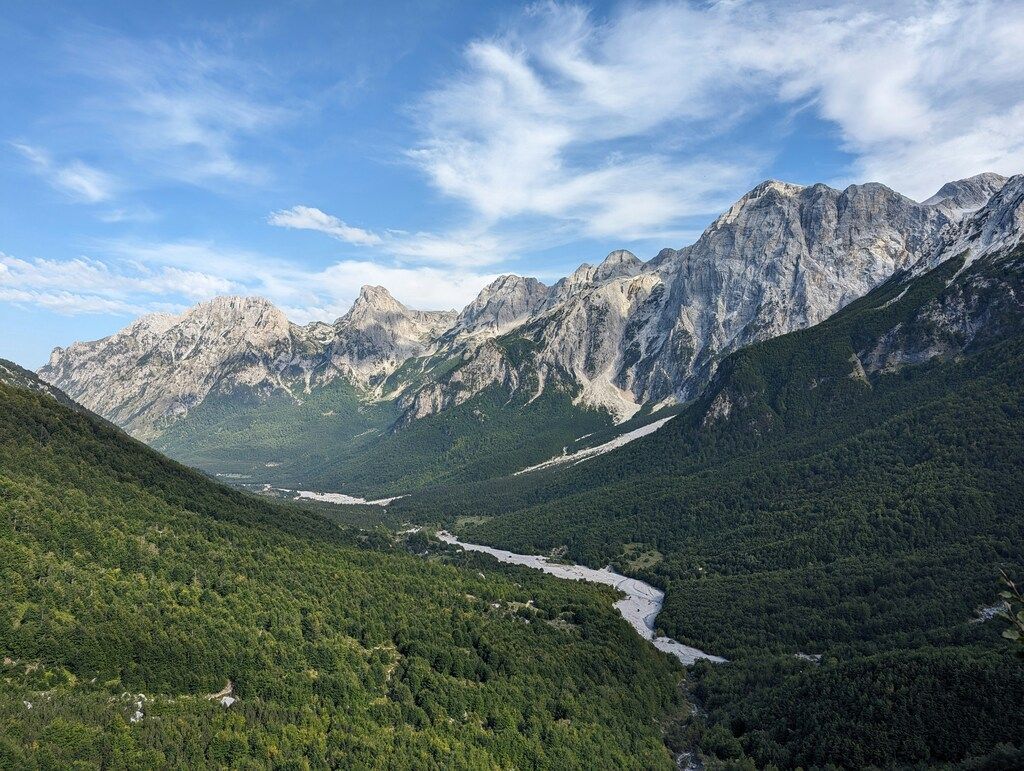
In the north, this is when the Accursed Mountains (Prokletije) finally wake up. As the winter snow melts, the legendary Theth-to-Valbona hike typically opens for the season. This trek is the crown jewel of the Balkans, and with temperatures hovering between 22°C and 26°C, you can tackle the climbs toward jagged limestone peaks without the grueling heat of mid-summer.
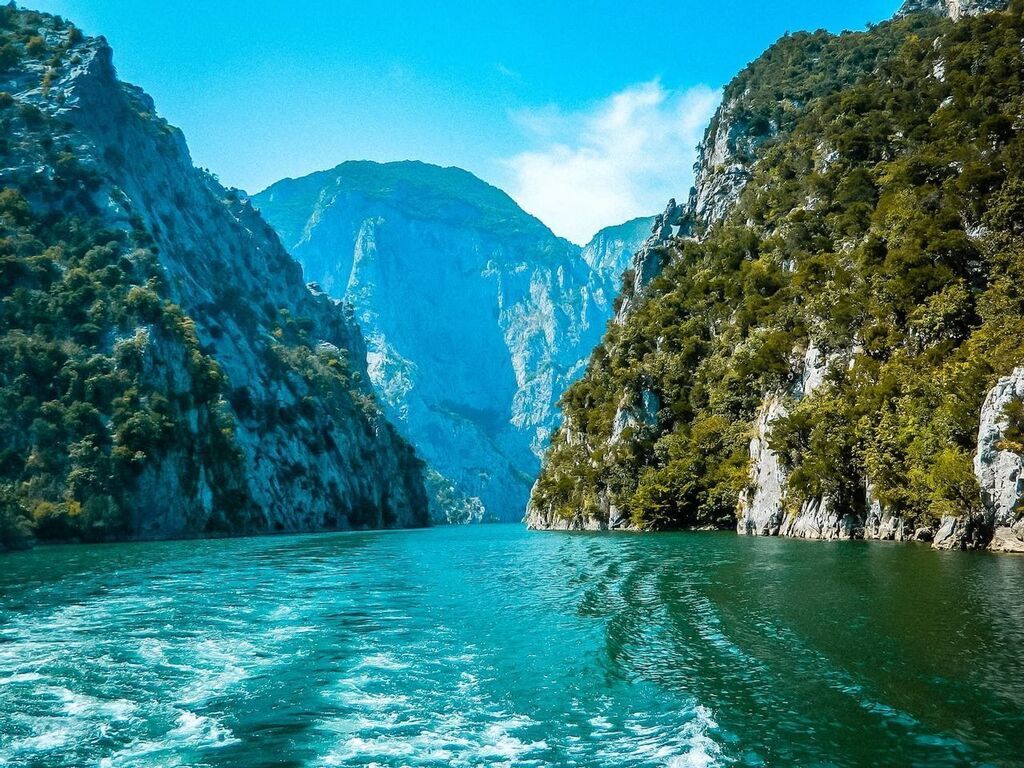
Lower down, the rivers are at their most powerful. June is your best bet for rafting in the Osumi Canyon near Berat. Thanks to the spring snowmelt, you’ll navigate turquoise waters between 100-meter-high limestone walls—an experience that often becomes impossible by late July when water levels drop.
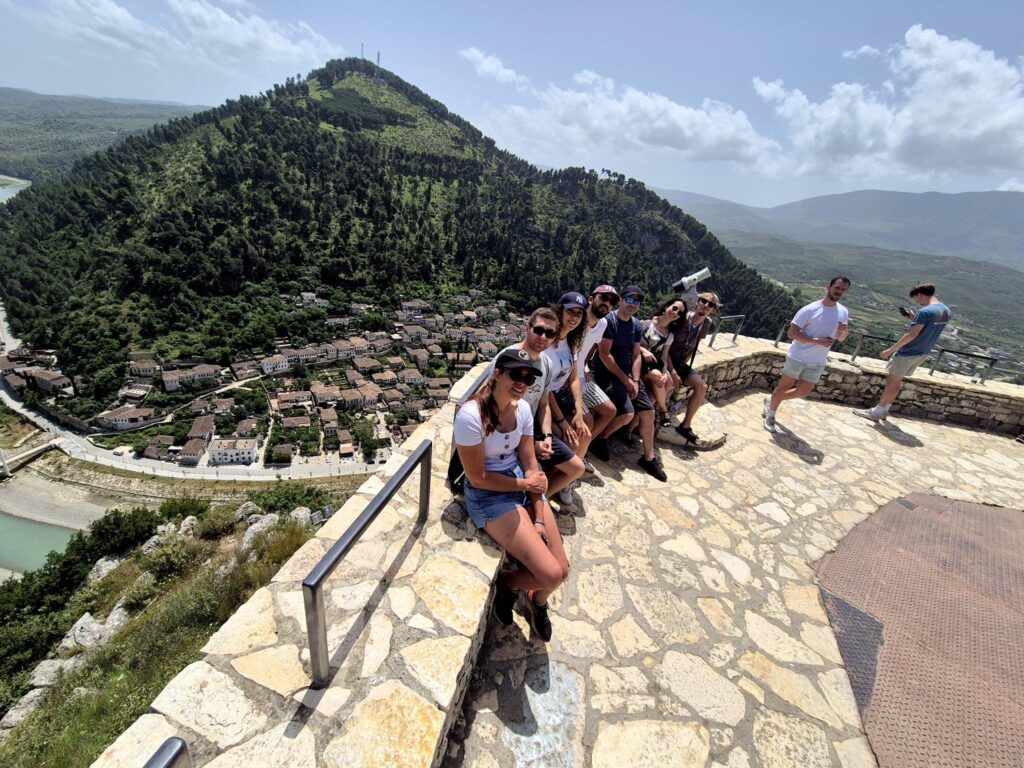
The transition to summer is felt everywhere, especially in the UNESCO cities of Berat and Gjirokastër. You can wander through the “City of a Thousand Windows” comfortably on foot, avoiding the exhaustion of a heatwave. Meanwhile, the Ionian coast starts to sparkle; you can secure the perfect spot on the beaches of Dhërmi or Himarë and enjoy the crystal-clear water before the crowds of the high season arrive.
Peak Summer Energy: Surviving The Heat In July And August
July and August see the country turned all the way up. This is peak season in every sense: the highest prices, the largest crowds, and the most intense heat. However, it’s also when the Albanian Riviera is at its most electric. If you travel for social energy and nightlife, this is your moment. Coastal hubs like Dhërmi, Sarandë, and Ksamil pulse with beach clubs and world-class music festivals like Kala or ION that stretch deep into the night.
The heat is the real wildcard during these months. July is the hottest month, with inland temperatures in cities like Tirana often pushing past 40°C. To survive the midday sun, you should mimic the local “xhiro” culture: structure your day around early mornings and late evenings, retreating to the shade or the sea between 12:00 and 17:00. This is the perfect time for a long, slow seafood lunch under a pergola.
If the heat becomes too much, there are two classic escapes:
- The Llogara Pass: Offers immediate relief where mountain air meets the sea breeze at over 1,000 meters.
- The Northern Alps: Head to high-altitude villages like Lepushë or Vermosh for a refreshing mountain reset. They remain noticeably cooler, offering a sanctuary from the sweltering lowlands.
Surprisingly, Tirana undergoes a fascinating transformation in mid-August. As the locals flee to the coast, the capital becomes eerily and beautifully quiet. It is the absolute best time to explore world-class museums like Bunk’Art or the House of Leaves in total peace. Peak season rewards those with a plan—by balancing beach parties with these quiet cultural gems, you’ll experience Albania’s intensity without the burnout.
If you’re visiting in July or August, don’t write off Tirana — mid-August is actually the best time to explore the city. As locals head to the coast, the capital empties out and you can visit world-class museums like Bunk’Art and the House of Leaves in total peace, without queues or crowds. Pair it with a few days on the Riviera and you’ve got the best of both worlds.
The Second Summer: Why September and October are Ideal for Beach Lovers
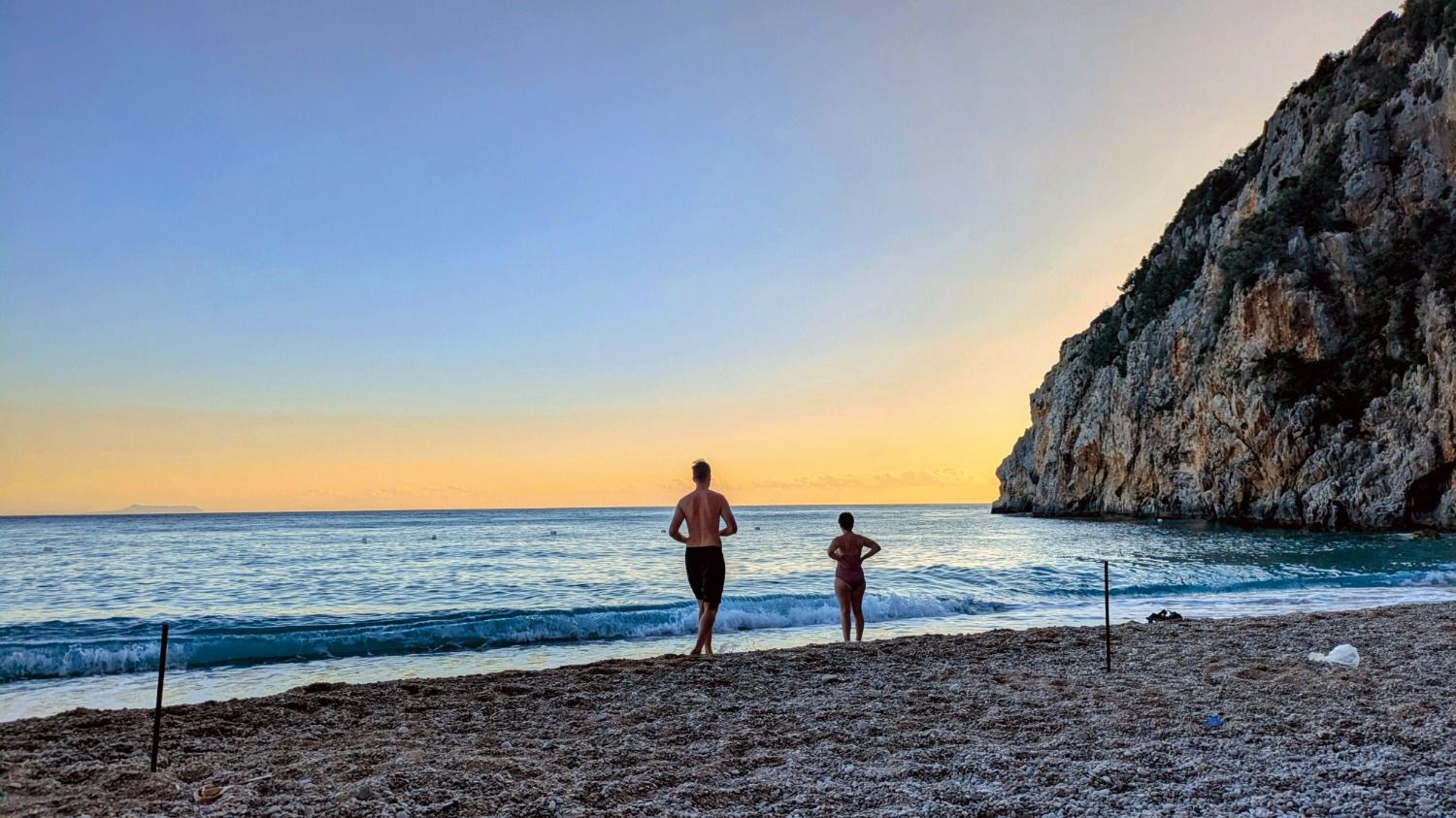
September and October are Albania’s quiet advantage. While many assume the season ends in August, the Ionian Sea holds its heat long after the crowds have departed, creating what locals call a “second summer.” This is the time of golden light and calm waters, where the frantic pace of July is replaced by a sophisticated, laid-back Mediterranean charm.
September is arguably the best-kept secret for the coast. The water is at its warmest—reaching up to 25°C—having baked under the sun for three months. Meanwhile, the air remains a balmy 22°C–28°C, so you can comfortably balance tanning with exploring. With accommodation prices dropping by as much as 30-40%, the south becomes an accessible paradise if you value quality over party vibes.
Can you sunbathe in Albania in October? The answer is a definitive yes, especially in the southern regions around Ksamil and Sarandë. Air temperatures frequently hover between 22°C and 25°C during the day. While the evenings start to feel crisp, the Mediterranean sun is still strong enough for a full beach day, offering a tranquil experience that is impossible to find during the summer peak.
As the heat breaks, your focus should shift inland toward the vineyards of Berat and Shkodër. This is the harvest season, the most authentic time to experience the region’s wine culture. You can join local families in picking grapes or witness the traditional production of Raki. Markets overflow with pomegranates and figs, and local cultural festivals take center stage, offering you a deeper connection to the land than the busy summer months ever could.
Off-Season Magic: Is Albania Worth Visiting In November And December
November and December mark the transition into Albania’s quietest, most introspective season. While this is the wettest period of the year—with November seeing the highest rainfall—the rain often arrives in dramatic bursts followed by periods of intense clarity. If you’re a “slow traveler” interested in the soul of a country rather than just its beaches, this is your time to shine.
As coastal resorts enter their winter hibernation, the historic heart of the interior remains as vibrant as ever. You can experience a different side of Albania’s heritage:
- Gjirokastër: The city becomes incredibly atmospheric, with mist drifting through its Ottoman stone streets and the smell of woodsmoke rising from chimneys.
- Korçë: Known as the “Little Paris,” this city shines with its café culture, perfect for cozying up with local wine and lakror (a traditional pie).
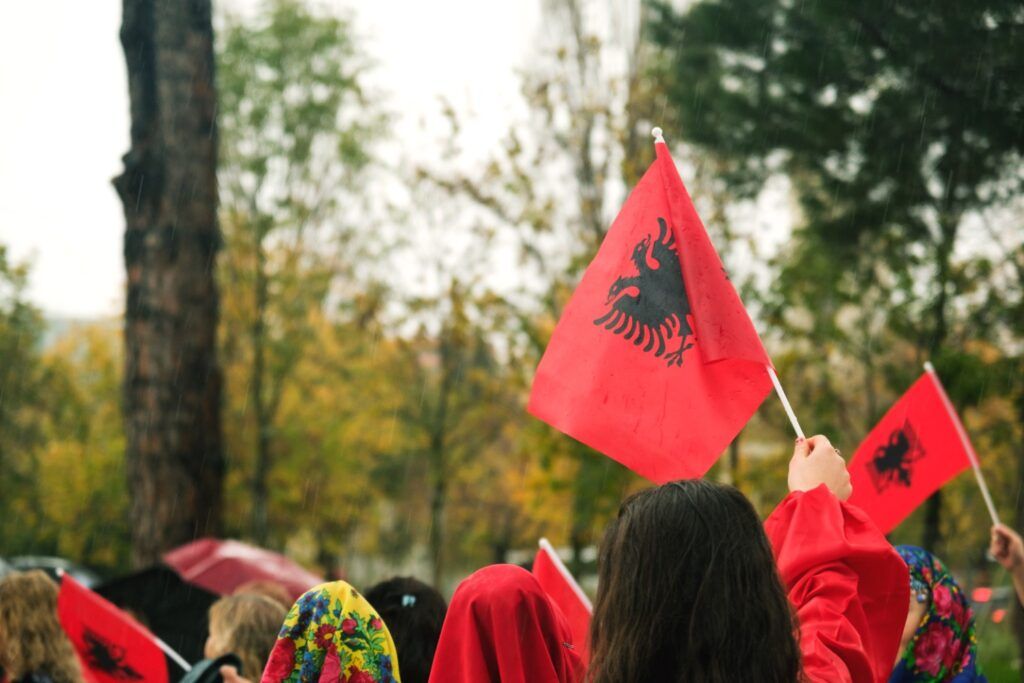
November is the month of Festat e Nëntorit (National Holidays). On the 28th and 29th of November, you’ll see the country draped in red-and-black flags to celebrate Independence and Liberation days. You can expect patriotic parades and street concerts that offer a rare glimpse into the true Albanian national identity.
By December, the energy shifts to Tirana. Skanderbeg Square transforms into a winter wonderland with holiday lights and wooden cabins serving mulled wine and grilled meats. While Albania is a secular country, the festive spirit is universal. It is the best season if you value authentic human connections and want to see the capital without a single other tourist in sight.
The Quiet Months: What to Expect from January to April
January and February are the coldest months, with snow blanketing the north and the southern highlands. This is the season for the truly adventurous. The Korçë region becomes a winter playground; villages like Dardhë and Voskopoja are havens for skiers and snow enthusiasts. Even if you don’t ski, the intimate, slow pace of rural life—sitting by a roaring fire in a kulla (stone house)—offers a perspective on Albania few foreigners ever see.
While the coast takes a winter break, the UNESCO cities remain active and soulful. In Berat, the lack of tourists means you can explore the castle (Kala) and its inhabited old town with only the locals for company. The winter light is crisp and sharp, making it the best time for photography. Without the summer crowds, these heritage sites feel like living history rather than open-air museums.
March signals the first real turn of the season. Almond trees begin to bloom across the southern and central regions, painting the valleys in soft pinks and whites. This is the “renewal” phase, where the first outdoor café tables reappear in the sun. You’ll see a stunning contrast: mountain peaks remain capped in white, providing a dramatic backdrop to the increasingly green valleys below.
April is arguably one of the most underrated months for an Albanian journey. As greenery returns with a vengeance, it becomes the ideal window for low-altitude hiking and countryside exploration. Archaeological Parks like Butrint or Apollonia are accessible in total comfort. Seeing ancient ruins surrounded by spring blossoms is a far more immersive experience than trekking through them in the stifling July heat.
Your Albanian Adventure Starts With The Right Timing
Ultimately, those who understand Albania’s rhythm are the ones most richly rewarded. Each season offers a distinct soul. A cozy stone house in November is worlds away from the electric Riviera in July. This country delivers an unfiltered authenticity that shifts month by month. It constantly rewards those brave enough to move against the flow.
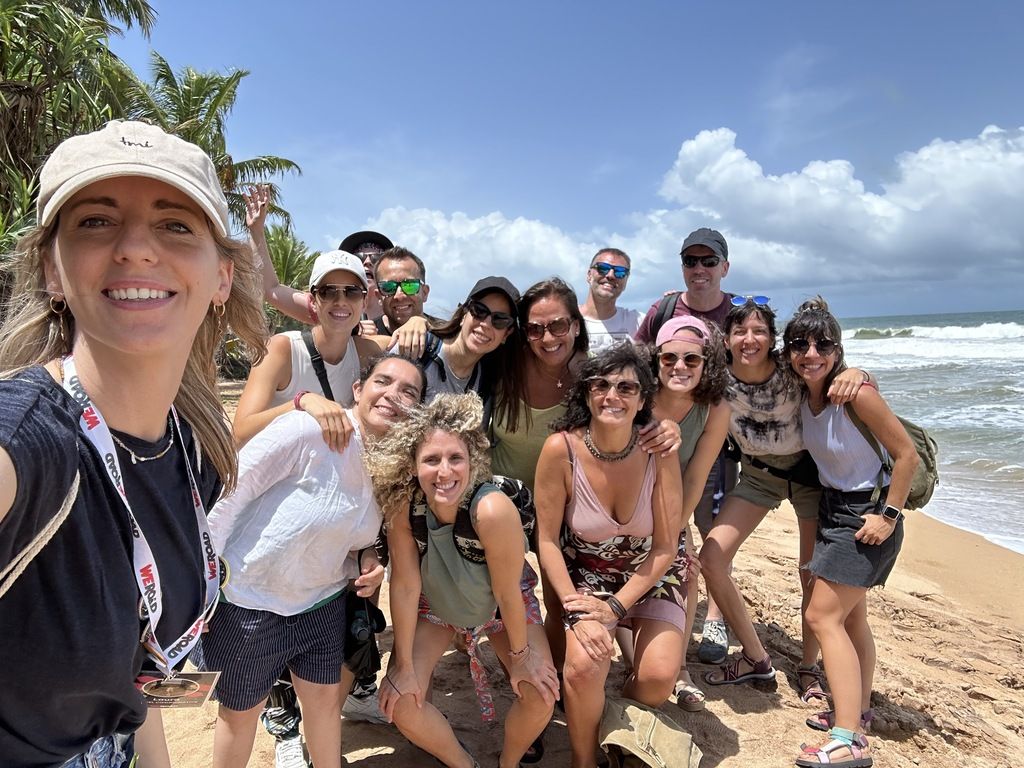
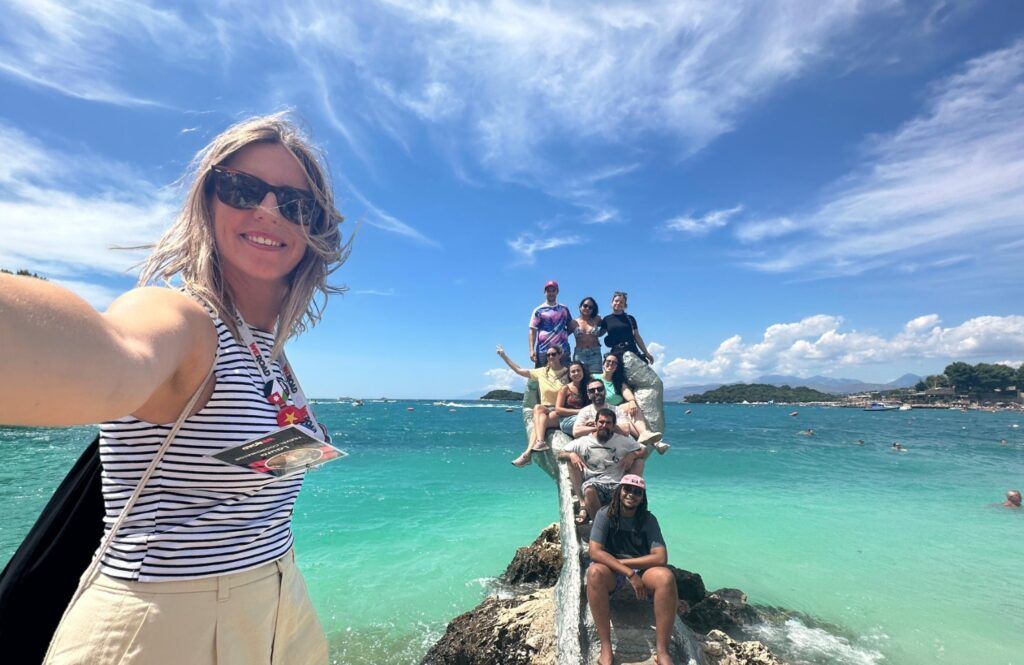
The true magic of these landscapes lies in the people you share them with. A sunrise in the Accursed Mountains feels more vivid with a crew. A sunset in Ksamil lingers longer when shared with like-minded explorers. These moments of wonder turn a simple trip into a lasting memory. Whether eating fëgesë in Tirana or drinking wine in Berat, shared experiences matter most.
If you are ready to explore these wonders alongside a group of new friends who value deep connection and raw adventure, discover our Albania group travel adventures. Your journey into Europe’s last great wilderness starts here.
FAQ Albania
- When is the best time to visit Albania overall?
-
May, June and September are the standout months, ideal temperatures, accessible hiking, warm sea, and accommodation at reasonable prices. July and August are great for beach energy but come with intense heat and bigger crowds.
- Is Albania worth visiting in winter?
-
Yes, especially for slow travellers. Tirana and the UNESCO cities of Berat and Gjirokastër remain vibrant, and December transforms Skanderbeg Square into a festive hub. The north sees snow, making it a niche but rewarding destination for skiers and those after an authentic rural experience.
- Can you swim in Albania in October?
-
Absolutely. The Ionian Sea stays warm into October (up to 25°C), and air temperatures in the south frequently reach 22°C–25°C during the day. It’s arguably the best-kept secret for a quiet, affordable beach trip.
- What is the hottest month in Albania?
-
July, when inland cities like Tirana regularly exceed 40°C. The coast is more bearable thanks to sea breezes, but midday heat is intense everywhere. Follow the local habit of resting between 12:00 and 17:00.
- When is the Theth-to-Valbona hike accessible?
-
The trail typically opens from late May or early June, once the winter snow melts in the Accursed Mountains. June offers the best combination of accessible paths and comfortable temperatures for the climb.
- Are there any festivals or events worth timing a trip around?
-
Yes, the coastal festivals Kala and ION run in July and August along the Riviera. On 28-29 November, Albania celebrates Independence and Liberation Day with parades and street concerts. And December brings a lively festive atmosphere to Tirana’s Skanderbeg Square.