In a nutshell
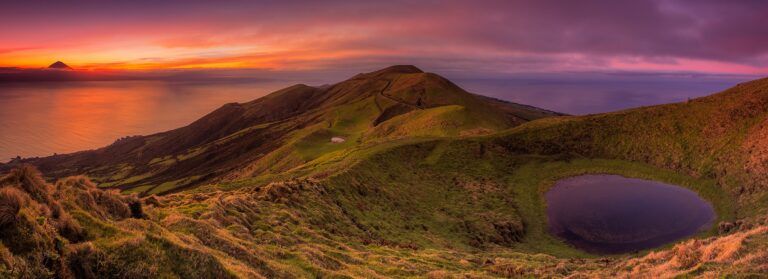
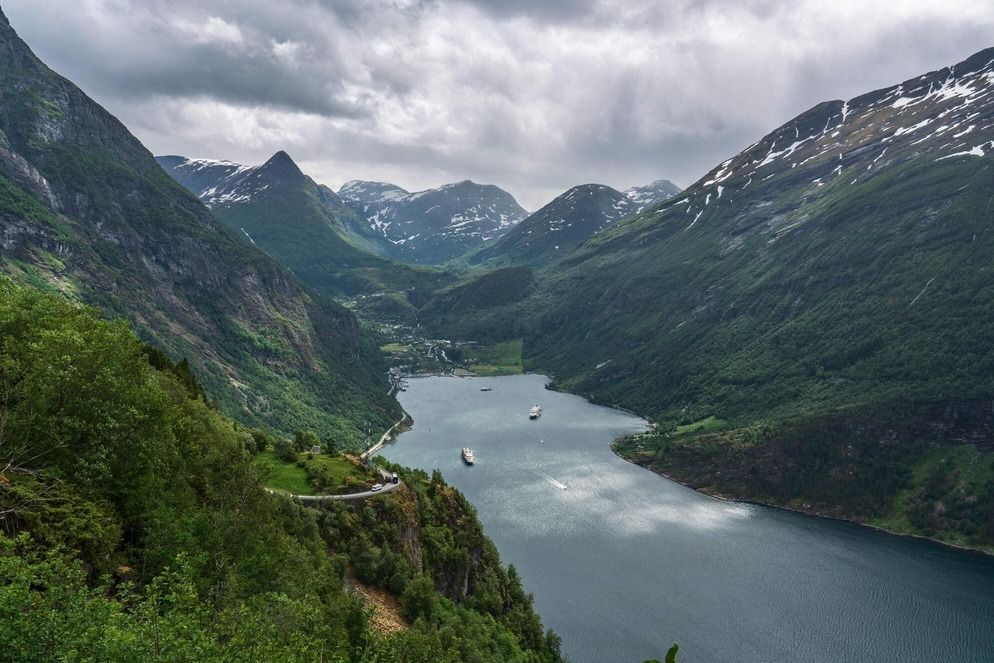
- The Norwegian fjords offer some of Europe’s most spectacular hiking landscapes, with cliffs, waterfalls, and panoramic viewpoints.
- Iconic hikes include Preikestolen, Trolltunga, and Romsdalseggen, while trails like Molden and Aurlandsdalen provide quieter alternatives.
- The best months for fjord hiking are July and August, with September offering fewer crowds and beautiful autumn light.
- Top fjord regions for hiking include Lysefjord, Sognefjord, Hardangerfjord, and Geirangerfjord, each with different scenery and trail styles.
- Successful trip planning requires choosing the right region, checking weather and trail conditions, and packing proper hiking gear.
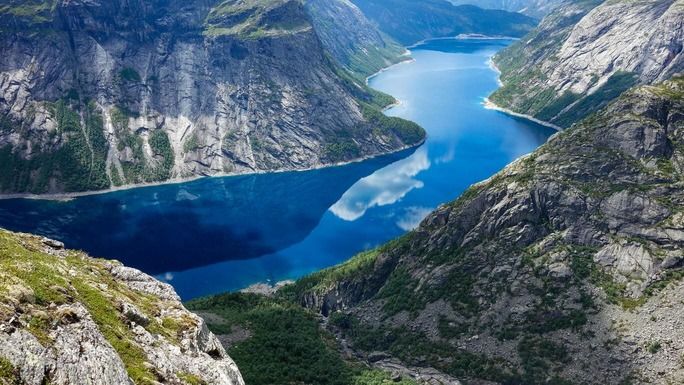
Hiking the Norwegian fjords means walking through some of Europe’s most dramatic landscapes: deep blue water, sheer cliffs, hanging valleys, waterfalls, and trails that make your camera work overtime. From iconic routes like Preikestolen and Trolltunga to quieter paths in Sognefjord and Geirangerfjord, Norway offers hikes for beginners, strong walkers, and serious mountain lovers alike.
If you are planning a trip, the key is simple: choose the right region, hike for your level, and respect the weather. Norway is gorgeous, yes, but it can also switch moods faster than a travel buddy choosing a restaurant. The reward, however, is worth every step.
Can you hike the fjords in Norway?
Yes, you absolutely can hike the fjords in Norway, and in many places that is the best way to experience them. Trails climb above the water, cross ridgelines, pass waterfalls, and lead to viewpoints that are impossible to appreciate fully from a car or ferry alone.
The western fjord region is the classic choice for fjord hiking in Norway. Here, mountains rise almost straight from the sea, creating those famous panoramic views that look edited even when they are not. Some trails are short and family-friendly, while others are long, steep, and demanding.
What makes the fjords special for hikers is variety. In one trip you can combine:
- Half-day scenic walks near villages and ferry ports
- Iconic day hikes with big views and bigger crowds
- Multi-day treks between valleys, plateaus, and mountain cabins
- Northern adventures with midnight sun or early autumn colors
So yes, you can hike the fjords. The real challenge is deciding whether your legs prefer a graceful lakeside walk or a heroic climb where you question your life choices for three hours and then forgive everything at the summit.
The best hiking trails in Norway’s fjords
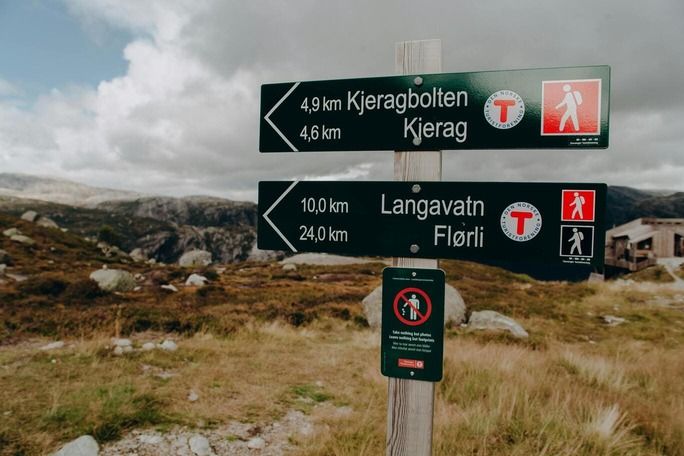
The best hiking trails in Norway’s fjords depend on your fitness, timing, and how much drama you want in the scenery. For iconic views, Preikestolen, Trolltunga, and Romsdalseggen lead the list. For quieter beauty, look at Molden, Aurlandsdalen, and hikes around Geirangerfjord.
Below are some of the most rewarding trails across the fjord regions.
| Trail | Region | Difficulty | Why go |
|---|---|---|---|
| Preikestolen | Lysefjord | Moderate | Norway’s famous cliff above the fjord, big payoff for manageable effort |
| Trolltunga | Hardangerfjord area | Challenging | One of the most famous hikes in Norway, long day with unforgettable views |
| Molden | Sognefjord | Moderate | Excellent fjord panorama with fewer crowds than the big-name hikes |
| Aurlandsdalen | Aurland / Sognefjord | Moderate to challenging | Historic valley route with rivers, farms, and varied scenery |
| Romsdalseggen | Romsdal | Challenging | Epic ridge walk with classic Norwegian mountain drama |
| Skageflå | Geirangerfjord | Challenging | Historic fjord farm and jaw-dropping UNESCO views |
| Queen Sonja trail | Hardanger | Moderate | Beautiful ridge and fjord views in one of Norway’s prettiest regions |
Each trail offers a different fjord personality. Lysefjord is bold and famous, Sognefjord is vast and varied, Geirangerfjord is theatrical, and Hardanger mixes mountains with orchards and waterfalls. Basically, Norway does not really do boring.
What is the most famous hike in Norway?
The most famous hike in Norway is often considered Trolltunga, while Preikestolen may be the most iconic and accessible. Both are world-famous, heavily photographed, and often included in fjord itineraries focused on big viewpoints.
Trolltunga is the one people dream about and then underestimate. It is long, demanding, and weather-sensitive, but the rock ledge above Lake Ringedalsvatnet is unforgettable. This is not a casual stroll in trendy trainers and optimism.
Preikestolen, on the other hand, is easier to fit into a short trip. The trail is well-maintained, the ascent is steady but manageable for many active travelers, and the final view over Lysefjord is one of Norway’s signature images.
If you want fame with less time commitment, choose Preikestolen. If you want bragging rights plus sore calves, go for Trolltunga.
The best time to visit Norwegian fjords
The best month to visit the Norwegian fjords for hiking is usually July or August. Trails are mostly snow-free, ferry connections are frequent, and daylight is generous. For fewer crowds and lovely colors, September is also an excellent choice.
Here is a simple seasonal overview:
- May: lower trails begin to open, waterfalls are powerful, higher routes may still hold snow
- June: long days, lush scenery, some high mountain hikes still variable
- July: best all-round month for classic fjord hiking
- August: great access, stable season, popular trails remain busy
- September: fewer people, crisp air, beautiful light, some services begin to reduce
If your priority is iconic hikes and smooth logistics, midsummer works best. If your priority is atmosphere, quieter trails, and a little space to hear yourself think, early autumn is glorious. Norway in September feels like the mountains finally exhale after a hectic summer.
Which is the prettiest fjord in Norway for hiking?
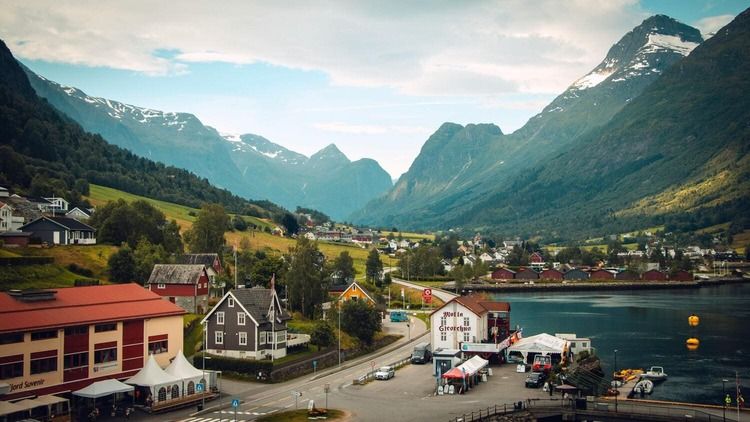
The prettiest fjord in Norway is subjective, but for hiking, the strongest contenders are Geirangerfjord, Nærøyfjord, Lysefjord, and Sognefjord. Each offers a different balance of iconic scenery, trail variety, and accessibility.
Some travelers fall hard for Geirangerfjord because it looks almost absurdly beautiful: steep green walls, thin waterfalls, old fjord farms, and cruise-ship-level fame. Others prefer Nærøyfjord for its narrow UNESCO-protected drama. Lysefjord wins for instantly recognizable hikes, while Sognefjord shines for depth, scale, and range.
| Fjord | best for | style of scenery | hiking vibe |
|---|---|---|---|
| Lysefjord | iconic bucket-list hikes | bold cliffs and dramatic drop-offs | famous, accessible, busy |
| Hardangerfjord | mix of orchards, waterfalls, and peaks | lush and varied | great range from scenic to tough |
| Sognefjord | trail diversity | deep, expansive, classic fjord landscapes | ideal for longer itineraries |
| Geirangerfjord | postcard beauty | UNESCO-level drama | short scenic hikes and steep classics |
| Nærøyfjord | narrow fjord views | intimate and cinematic | excellent with Flåm and Aurland |
If you want one answer, Geirangerfjord is probably the prettiest at first sight. If you want the most complete hiking playground, Sognefjord is hard to beat. In other words, Norway has the deeply unfair habit of making every “best of” list feel a bit incomplete.
How do you plan a hiking trip to Norway
To plan a hiking trip to Norway, choose one or two regions, match the trails to your fitness level, and build in flexibility for weather. Distances may look short on a map, but ferries, winding roads, and mountain conditions can make travel slower than expected.
A practical approach looks like this:
- Pick a base region such as Stavanger for Lysefjord, Odda for Hardanger, or Flåm/Aurland for Sognefjord.
- Select 2 to 4 hikes with varied difficulty instead of overloading your itinerary.
- Check trail conditions before departure, especially for snow, rain, and wind.
- Book key transport and accommodation early in peak summer.
- Pack waterproof layers and proper footwear, even for popular trails.
Do not plan every day around a single perfect sunrise photo. The fjords are stunning in sun, mist, cloud, and even moody drizzle. Sometimes the best Norwegian landscape looks less like a postcard and more like a Viking saga having a slightly emotional moment.
What should you pack for hiking in Norway?
For hiking in Norway, pack layers, waterproof gear, solid footwear, food, water, and navigation basics. Even popular routes can feel exposed, and weather can change quickly. Being prepared is not optional; it is part of hiking culture in Norway.
Your day-hike packing list should include:
- Waterproof jacket and rain cover
- Layered clothing, ideally including wool or fleece
- Good hiking boots or trail shoes
- Water and snacks
- Fully charged phone and offline map
- Small first-aid kit
- Hat and gloves for higher or windier trails
- Sunglasses and sunscreen when conditions are clear
One golden rule applies everywhere: if the trail looks easy on Instagram, that proves absolutely nothing. Norway has seen enough people in flimsy shoes and heroic overconfidence. Be the smart hiker with snacks, not the dramatic one becoming a cautionary tale.
Quiet alternatives to Norway’s famous fjord hikes
Yes, there are many quieter alternatives to Norway’s famous fjord hikes, especially in Sunnfjord, Nordfjord, parts of Sognefjord, and lesser-known trails near the big-name regions. These routes often deliver equally impressive views with fewer people on the path.
Good alternatives include:
- Molden instead of a more crowded signature hike
- Prest above Aurlandsfjord for strong views with a different crowd profile
- Bondhusvatnet for an easier scenic day in Hardanger
- Skåla or trails around Loen for ambitious hikers wanting less hype and more mountain
If avoiding crowds matters, hike early, travel in September, or choose a region with more local traffic than international attention. The nice thing about Norway is that even when one trail is famous, there is usually another one nearby quietly minding its own spectacular business.
FAQ
- Is hiking in the Norwegian fjords suitable for beginners?
-
Yes, some fjord hikes are suitable for beginners. Trails like Bondhusvatnet or selected valley walks near Flåm are much easier than demanding routes such as Trolltunga or Romsdalseggen.
- Do I need a guide for hiking in Norwegian fjords?
-
Not always. Many marked trails can be done independently, but a guide is a smart choice for glacier walks, shoulder-season hikes, or long demanding routes if you want extra safety and local knowledge.
- How many days do you need for a fjord hiking trip in Norway?
-
A good short trip needs at least 4 to 6 days. That gives you time for transfers, changing weather, and two or three quality hikes without turning the whole holiday into a race against your own itinerary.
- Can you hike in Norwegian fjords outside summer?
-
Yes, but options are more limited. Lower trails may work in spring and autumn, while winter hiking often requires special equipment, local knowledge, or guided experiences depending on snow and ice conditions.
- What is the best base for hiking Norwegian fjords?
-
Popular bases include Stavanger for Lysefjord, Odda for Hardanger, Flåm and Aurland for Sognefjord, and Åndalsnes for dramatic mountain terrain near the fjord regions.