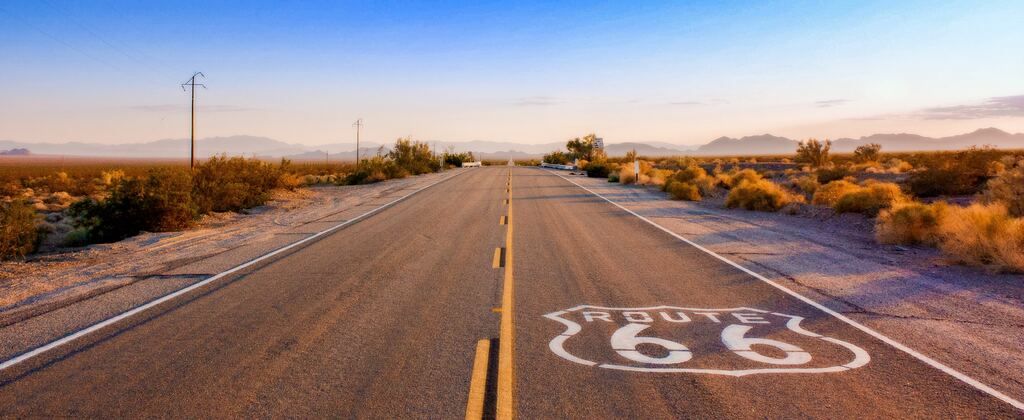
Route 66 holidays are the ultimate American road trips. In many ways, Route 66 itself symbolises ideas of hope, freedom and new beginnings. It was famously referred to as the Mother Road in The Grapes of Wrath, John Steinbeck’s novel, and has become a bucket-list journey for many travellers around the world.
Road trips based around Route 66 start and end on opposite sides of the United States, passing through some of the USA’s most important cities along the way. Historically, Route 66 was followed by individuals in the US who migrated west. Many of them became rich along the way, so Route 66 is sometimes seen as an embodiment of the American Dream itself.
Here, we’ll help you create the ultimate Route 66 itinerary. In addition to highlighting some of the most unmissable spots along the way, we’ll also aim to provide practical suggestions for your road trip across the states.
Plan out your trip in advance
It may be tempting to embark on your Route 66 tour and simply take the journey as it comes. While there is a place for spontaneity, it is best to have some clear and concrete plans. Select the time of year wisely. It is generally recommended to travel Route 66 in the months between April and September for optimal weather conditions.
We’ll assist you in selecting key locations and stopping points, but you need to create a realistic timeline. It is certainly possible to complete a Route 66 tour in under two weeks, but are you going to see everything you want to see? If your budget and schedule allow it, we suggest you stretch the journey over two to three weeks or even a full month.
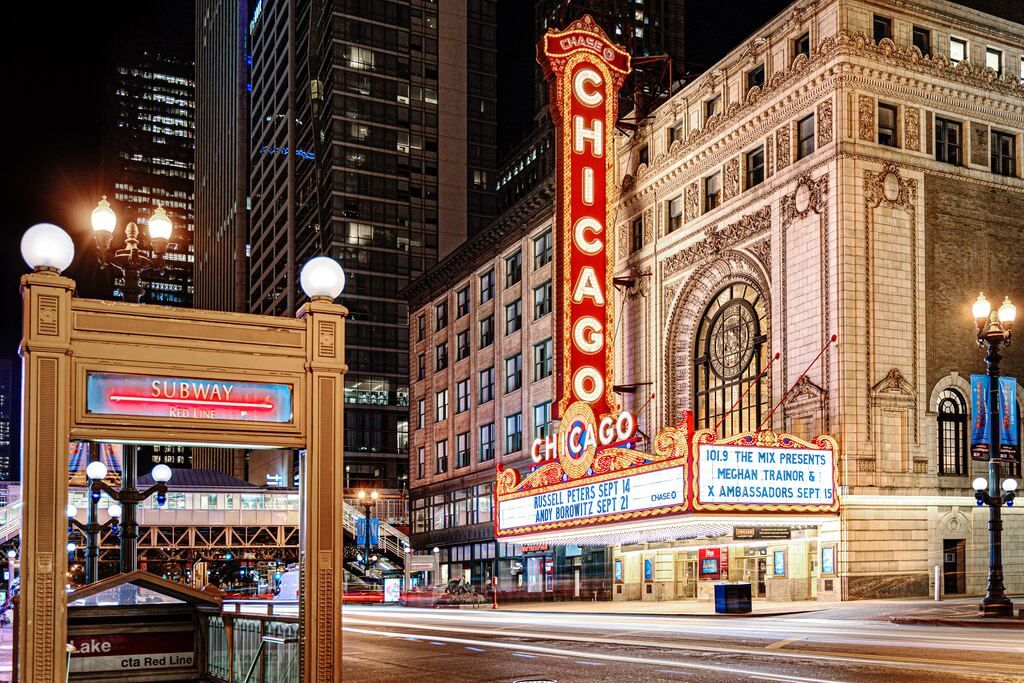
Start your journey in Chicago
The traditional Route 66 trip begins in the east and ends in the west. This means you should start your journey in Chicago, Illinois. You’ll see the “Route 66 BEGIN” sign at the northwestern corner of Adams Street and Michigan Avenue. However, you may as well take in the key sights, sounds and tastes of downtown Chicago before you set off.
You’ll have a number of options here. You could sample some iconic deep-dish pizza, which is the most famous Chicago dish. Afterwards, you can work that pizza off by walking around Millennium Park or go and see some of the major attractions in the city. Exploring the Art Institute of Chicago and visiting the Wrigley Building are great ways to make room for another slice.
Some people choose to do the journey in reverse, travelling from west to east, but we recommend going in the traditional direction. Once you feel you’ve seen what you want to see in Chicago, then it’s time to set off on your Route 66 road trip!
Stop in Springfield and travel to St. Louis
The first unmissable spot after you actually hit the road is Springfield, Illinois. Here, you’ll find a number of must-see Route 66-era buildings, museums and attractions. Mahan’s Filling Station is a fully restored vintage gas station from the 1920s, and many travellers stop to pose alongside the Lauterbach Muffler Man sculpture.
There are a number of optional towns to visit on Route 66 in this early section, but we’d recommend stopping at Pontiac if you have time. Here, you’ll find the Route 66 Hall of Fame Museum and some Route 66-inspired murals.
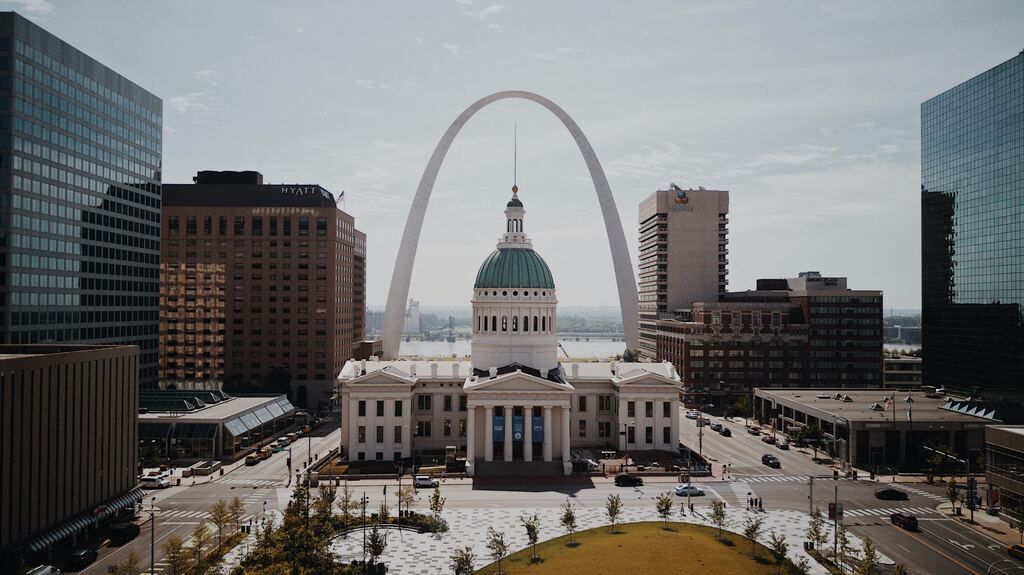
Almost all of the best Route 66 holidays will include a stop in St. Louis, nestled in the east of Missouri. Key attractions to check out here include the Gateway Arch, the Missouri Botanical Garden and the St. Louis Zoo. You should also take the time to explore the enormous Forest Park, which includes multiple museums, two golf courses, and a number of statues and memorials. Depending on time restraints,
you may also wish to visit the thrilling Six Flags St. Louis amusement park.
Enjoy key locations in Kansas and Oklahoma
Following Illinois and Missouri, the third state along Route 66 is Kansas, although you will only pass three major settlements here: Baxter Springs, Riverton and Galena. Feel free to explore any of these and then continue on your journey, eventually reaching Oklahoma. Time to blast “Oh, What a Beautiful Mornin” in the car? We think so.
The city of Miami, Oklahoma, is a good stop-off point. It was once part of Indian Territory and is still the capital of the federally recognised Miami Tribe of Oklahoma. Some of the noteworthy attractions here include the historic and beautiful Coleman Theatre and another notable Route 66 relic, Allen’s Conoco Fillin’ Station.
The next of the US Route 66 major cities is Tulsa, which is home to a large number of places of interest. Examples include the historic Blue Dome gas station, Mother Road Market and the Route 66 Historical Village.
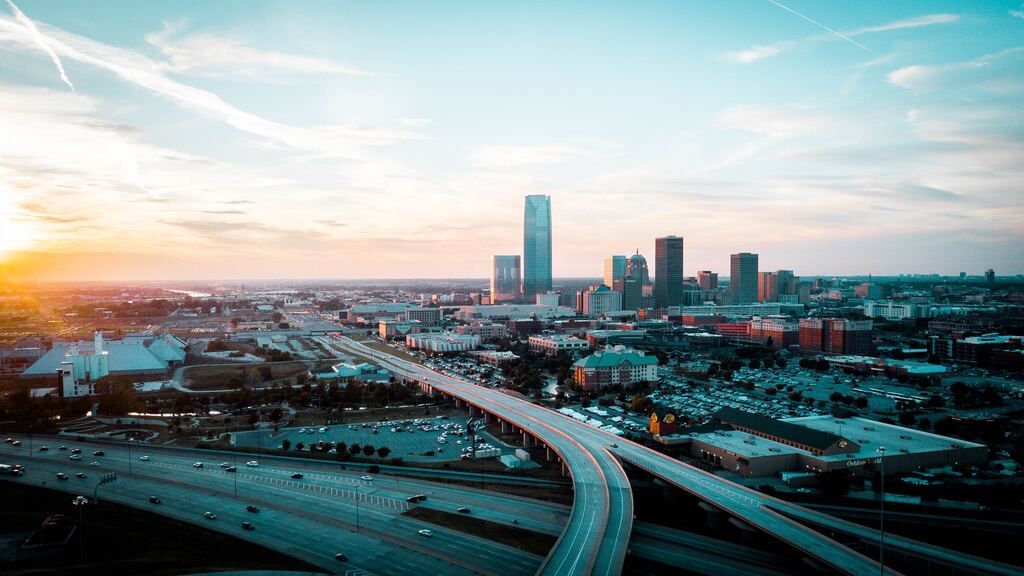
Continuing west, you’ll eventually reach Oklahoma City, which is the largest city in the state. We recommend having a bite at Florence’s Restaurant, which was named one of ‘America’s Classics’ by the James Beard Foundation. If time permits, you may want to watch a show at the Civic Center Music Hall or visit the Frontier City amusement park. It is also worth stopping in Elk City for the National Route 66 & Transportation Museum.
The halfway point of your Route 66 trip
As you progress along the route, you’ll pass through the Texas Panhandle. Amarillo, Texas, is a stopping point on many Route 66 driving holidays, and it is certainly a good idea to see the Cadillac Ranch art installation. For non-vegetarians, how about trying a steak at one of the famous steakhouses in the city,
like the Big Texan Steak Ranch?
Traditionally, the halfway point of many Route 66 holidays is marked by a visit to the Midpoint Café in Adrian, Texas. A sign at the location explains that it is 1,139 miles to reach both the start and the end point of Route 66.
Continue along driving Route 66
After marking the halfway point of your journey and continuing onwards, we recommend visiting Tucumcari, which is home to some classic Route 66 motels, before crossing the border to New Mexico.
The first of your big stops in this state is likely to be Santa Fe. Be sure to take some time to appreciate the architecture here, including the Loretto Chapel and Saint Francis Cathedral. You should also visit the Santa Fe Plaza. If you time your trip exceptionally well, you might even be able to take in the Fiestas de Santa Fe.
Pass by some smaller towns on Route 66 and through Bernalillo, then make your way to Albuquerque, which is New Mexico’s largest city. Be sure to check out the Old Town area and consider exploring the Albuquerque Museum. The Sandia Peak Tramway will take you 10,000 feet up the Sandia Mountains, providing amazing views of New Mexico.
Make the most of your time in Arizona
The west of New Mexico is home to a number of Indian reservations that you should take a look at. From there, you’ll make your way into the penultimate state on your Route 66 tour: Arizona. On some Route 66 holidays, it can become tempting to try to power through this part of the trip, but we recommend making the absolute most of your time here.
Holbrook, Arizona, is home to two of the three surviving Wigwam Motels, and these are now iconic Route 66 landmarks. Before reaching Holbrook, you may also want to explore some of the Petrified Forest National Park.
As you continue west towards Flagstaff and Williams, you could even choose to deviate from Route 66 entirely and check out the world-famous Grand Canyon. The drive from Williams to the Grand Canyon takes around an hour and a half, but it’s definitely worth it, especially since this is a once-in-a-lifetime opportunity to see the iconic natural wonder.
Approaching the end of your Route 66 road trip
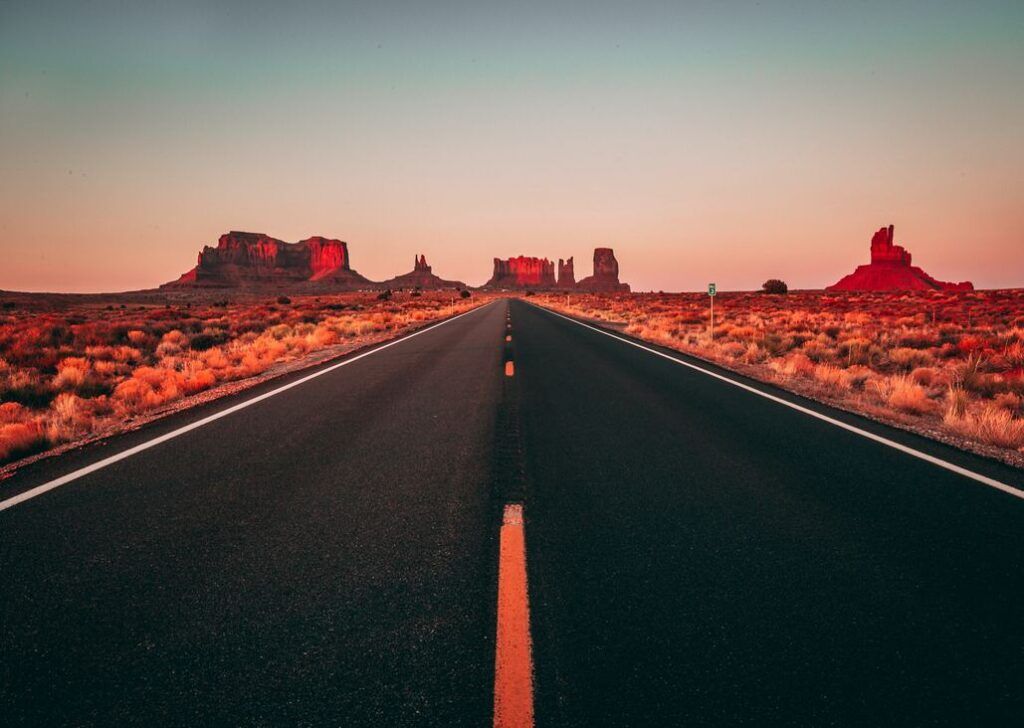
As you push on to the western part of Route 66, you’ll pass a number of other Route 66 towns and communities. As you make your way through the remainder of Arizona and cross over the California border, be sure to make a conscious decision to enjoy the drive itself. Needles, California, is a popular stopping point and is one of the locations mentioned by Steinbeck in The Grapes of Wrath. Take sensible precautions here, however, as it can become very hot.
This would be the ideal point to detour to Las Vegas, Nevada, if you are planning to. We won’t cover everything there is to do there, but it’s a good way to extend your trip if you have time to spare. Otherwise, pack plenty of water and continue through the Mojave Desert.
During this section of the journey, it is worth contemplating just how tiring the journey would have been before modern comforts like air conditioning were commonplace in cars. Barstow and San Bernardino are some of the most popular options if you want to stop along this section of the route.
Finish your road trip in Santa Monica
You’re now in the most bittersweet section of all Route 66 holidays — the final approach to Santa Monica. If you want to extend this part of the journey, stop off at Rancho Cucamonga and take in the views at Cucamonga Peak. As you move west, you’ll reach a more substantive stop: the city of Los Angeles.
There are many possible distractions here. You could take a trip to Hollywood and see the famous sign, check out the downtown area or take time to explore the nightlife in Echo Park. However, since you’re so close to the end of Route 66 now, you might want to simply complete the journey first and then circle back.
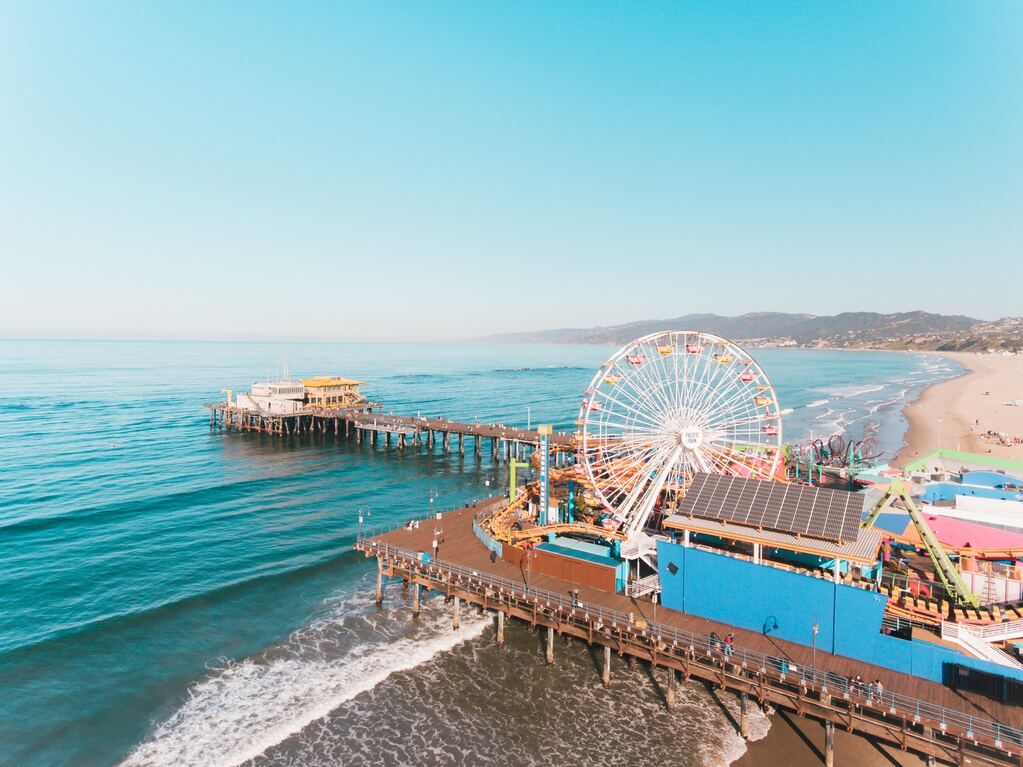
Instead of finishing at the official end of Route 66, many Route 66 road trippers choose to complete the journey by driving onwards to the Santa Monica Pier, which is much more climactic. In fact, the pier is now widely regarded as the modern finishing line. Once there, you’ll find an amusement park and a great selection of bars and restaurants.
Route 66 holidays are the ultimate way to explore the United States, but we have to be honest — they can be challenging to plan. So, why not take the hassle out of your journey by travelling with us? Our America on the road: Route 66 from Chicago to Los Angeles trip spreads over 15 days. You’ll get to see Springfield, St. Louis, Santa Fe, Amarillo, Albuquerque, Flagstaff and Los Angeles. We’ve even included admission to the Petrified Forest National Park, too, so you can experience the best of Route 66!
Do you love the United States? Then also discover the 10 best places and attractions to visit in New York!
Route 66: Your Ultimate FAQ Guide
What is Route 66?
Often called the “Mother Road” or the “Main Street of America,” Route 66 was one of the original highways in the U.S. Highway System. Established in 1926, it became a symbol of American mobility, adventure, and optimism, especially for those migrating west during the Dust Bowl of the 1930s and for vacationers in the 1950s.
Where does Route 66 start and end?
The historic route starts in Chicago, Illinois, and ends in Santa Monica, California. You can find official “Begin” and “End” signs at these locations to mark your journey.
How long is Route 66 and how long does it take to drive?
Route 66 covers approximately 2,400 miles (about 3,940 km). To fully experience the journey and its many attractions without rushing, it is recommended to allow at least two to three weeks for the entire trip.
What is the best time of year to travel Route 66?
The best times to drive Route 66 are during the late spring to early summer (May-June) and early autumn (September-October). These periods offer pleasant weather, avoiding the intense summer heat of the Southwest and the potential for snow in the winter.
Which states does Route 66 cross?
The route passes through eight states in the following order (from east to west):
- Illinois
- Missouri
- Kansas
- Oklahoma
- Texas
- New Mexico
- Arizona
- California
What are the must-see stops on Route 66 in Illinois?
- Begin Route 66 Sign: Start your journey at the iconic sign in Chicago.
- Pontiac, IL: Known for the Route 66 Hall of Fame & Museum and its many vibrant murals.
- Gemini Giant: A classic “Muffler Man” statue in Wilmington.
- Ambler’s Texaco Gas Station: A beautifully restored vintage gas station in Dwight.
What are the highlights of Route 66 in Missouri?
- Gateway Arch: While not on the original route, it’s a can’t-miss landmark in St. Louis.
- Meramec Caverns: A stunning cave system and classic roadside attraction in Stanton.
- Chain of Rocks Bridge: The original Mississippi River crossing, now open to pedestrians and cyclists.
- 66 Drive-In Theatre: A historic, still-operating drive-in located in Carthage.
What is there to see on the Kansas portion of Route 66?
Though it only covers about 13 miles, the Kansas section is packed with charm:
- Cars on the Route: A restored Kan-O-Tex service station in Galena that inspired the “Tow Mater” character from the movie *Cars*.
- Eisler Brothers Old Riverton Store: A historic general store that has been operating since 1925.
- Rainbow Curve Bridge: The only remaining Marsh arch bridge on the route, located near Baxter Springs.
What are the key attractions in Oklahoma?
- Blue Whale of Catoosa: A giant, smiling blue whale structure that has become an iconic photo stop.
- Oklahoma Route 66 Museum: Located in Clinton, it offers a journey through the history of the Mother Road.
- POPS 66: A modern landmark in Arcadia famous for its giant soda bottle sculpture and hundreds of soda flavors.
- Milk Bottle Grocery: A unique building in Oklahoma City with a giant milk bottle on its roof.
What are the top spots to visit in Texas?
- Cadillac Ranch: An art installation of half-buried, graffiti-covered Cadillacs in Amarillo.
- Midpoint Cafe: Located in Adrian, it marks the exact halfway point of Route 66 (1139 miles to Chicago, 1139 miles to Los Angeles).
- U-Drop Inn Cafe: A stunning Art Deco building and historic gas station in Shamrock.
- Palo Duro Canyon State Park: While a detour, it’s the second-largest canyon in the U.S. and is located near Amarillo.
What should I see in New Mexico?
- Blue Swallow Motel: Famous for its beautifully restored building and iconic neon sign in Tucumcari.
- Historic Old Town Albuquerque: Explore the Spanish colonial heart of the city.
- KiMo Theater: A unique Pueblo Deco style theater in Albuquerque.
- Santa Fe Loop: The original 1926 alignment of the route went through Santa Fe, a city rich in art and history.
What are the main attractions in Arizona?
- Petrified Forest National Park: The only national park that contains a segment of historic Route 66.
- Wigwam Motel: Stay in a unique concrete teepee in Holbrook.
- Standin’ on the Corner Park: A park in Winslow dedicated to the famous Eagles song “Take It Easy.”
- Oatman, AZ: A historic mining town where wild burros roam the streets, located on one of the most scenic and winding parts of the route.
- Grand Canyon National Park: Although it requires a detour, it’s an unmissable stop for most travelers on this leg of the journey.
What are the must-see stops in California?
- Santa Monica Pier: The official “End of the Trail” sign marks the western terminus of Route 66.
- Wigwam Motel: The second of the route’s iconic teepee motels, located in San Bernardino.
- Elmer’s Bottle Tree Ranch: A unique folk-art installation in Oro Grande.
- California Route 66 Museum: Located in Victorville, it showcases the road’s history in the state.