In a nutshell
- Top experiences in the Maldives go far beyond beaches, including snorkeling, diving, and cruises
- Island hopping helps combine local culture, budget travel, and resort luxury
- Atolls like Baa and South Ari stand out for marine life and underwater adventures
- Maldivian food, Malé, and local islands reveal a more authentic side of the destination
- A 7-day Maldives trip can fit budget, mid-range, or luxury travel styles
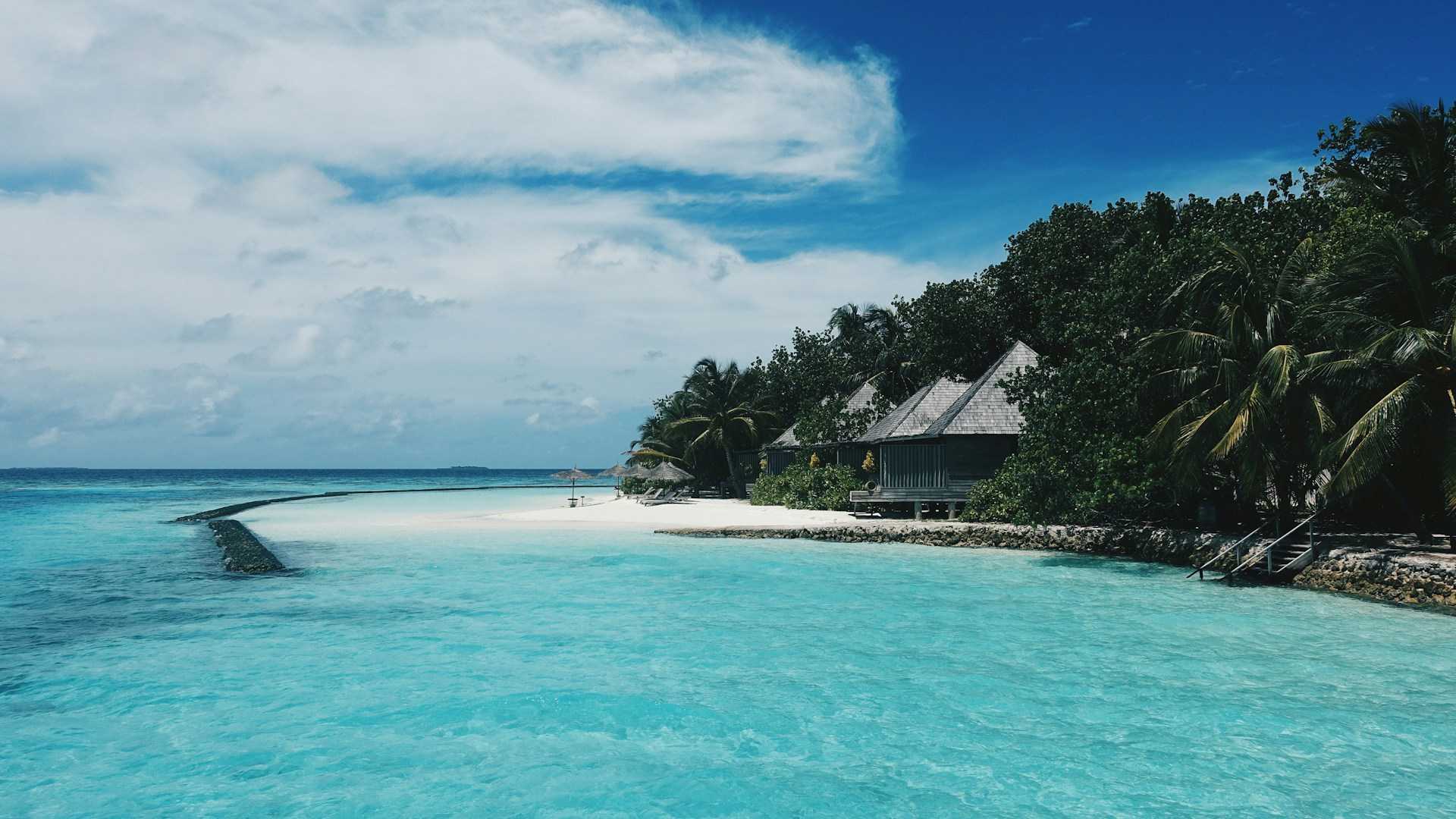
The Maldives offer far more than postcard beaches and overwater villas. Yes, the scenery is spectacular, but the real magic lies in what you can do once you arrive: snorkeling over coral reefs, exploring local islands, cruising at sunset, tasting Maldivian food, and discovering a culture that often stays just beyond the resort jetty.
If you are wondering whether there are actually enough things to do in the Maldives, the answer is a very clear yes. This tropical archipelago is perfect for travelers who want to balance relaxation with adventure, romance with discovery, and barefoot luxury with real local experiences. In short: you can absolutely spend days doing blissfully nothing, but you would miss out on a lot of fun. And that would be a tiny tragedy in flip-flops.
Why the Maldives are more than a beach destination
The Maldives are not only about sunbathing. They combine marine adventures, island culture, boat trips, wildlife encounters, and slow travel experiences across different atolls, making them ideal for couples, friends, and curious travelers looking for more than a resort stay.
Spread across nearly 1,200 islands and 26 atolls, the Maldives feel like a giant natural playground floating in the Indian Ocean. Some islands are private resort escapes, others are inhabited local communities, and each one offers a different rhythm. That means your trip can be as chilled or as active as you like.
Among the best things to do in Maldives, a few experiences stand out for almost every traveler:
- Snorkeling and diving in crystal-clear lagoons
- Island hopping between resort and local islands
- Sunset cruises and dolphin watching
- Water sports like kayaking, paddleboarding, and jet skiing
- Cultural visits in Malé and on inhabited islands
- Trying traditional Maldivian cuisine
That is the beauty of the destination: one day you are floating over a coral garden, the next you are eating grilled fish by the sea, and by sunset you are on a dhoni boat pretending your life is a luxury travel documentary. Fair enough, because in the Maldives it kind of is.
Snorkeling and diving in the Maldives
Snorkeling is one of the top things to do in the Maldives because the reefs are easy to access, the water is calm, and marine life is abundant. Even beginners can enjoy colorful fish, coral formations, turtles, rays, and sometimes reef sharks just a short swim from shore.
The Maldives are one of the world’s best destinations for underwater experiences. You do not always need a boat or full scuba gear to see something extraordinary. Many islands have excellent house reefs, so you can simply step into the water and start exploring.
What you can see underwater
The marine life here is incredibly rich, and that is what makes every swim memorable. Visibility is often excellent, especially in the dry season, and the range of species is impressive even for first-time snorkelers.
- Sea turtles
- Manta rays
- Whale sharks in selected areas
- Reef sharks
- Parrotfish, clownfish, and bannerfish
- Coral gardens and reef drop-offs
Best atolls for snorkeling and diving
Some areas are especially well known for underwater adventures. Choosing the right atoll can make a big difference depending on whether you want easy snorkeling or more advanced dives with currents and pelagic species.
| Atoll | Best for | Highlights |
|---|---|---|
| Baa Atoll | Snorkeling, manta rays | Hanifaru Bay, rich biodiversity, UNESCO Biosphere Reserve |
| South Ari Atoll | Diving, whale sharks | Big marine life, diving excursions, year-round sightings |
| North Malé Atoll | Easy access, mixed activities | Banana Reef, day trips, great for shorter stays |
| Laamu Atoll | Remote diving | Pristine reefs, fewer crowds, strong conservation focus |
If snorkeling sounds too gentle, diving adds another layer of wonder. Channels, reef walls, caves, and encounters with larger species make the Maldives a dream for certified divers. Beginners can also try discovery dives with professional instructors. In other words, the fish are booked and ready for your arrival.
Island hopping between local islands and resorts
Island hopping is one of the best ways to understand the Maldives beyond a single resort. It lets you compare landscapes, explore local life, enjoy different reefs, and mix luxury moments with authentic experiences across multiple islands and atolls.
Each island has its own vibe. Resort islands are polished, private, and beautifully curated. Local islands feel more grounded and give you a clearer sense of daily life in the Maldives. Combining both is often the smartest way to plan a trip.
What makes local islands worth visiting
Local islands give you access to guesthouses, independent cafés, public beaches, and community-run excursions. They are usually much more affordable than private resorts and often ideal for travelers who want a more social or budget-conscious experience.
- Meet local communities and see everyday island life
- Enjoy more affordable accommodation and excursions
- Try homemade Maldivian food
- Support small businesses and local guides
Top places to include in your itinerary
Some islands are especially popular because they combine easy logistics with memorable experiences.
- Maafushi for budget travel, excursions, and lively atmosphere
- Fulidhoo for marine life and a quieter feel
- Dhigurah for whale shark excursions and long sandy beaches
- Thulusdhoo for surfing and local character
- Vaadhoo Island for its famous glowing beach phenomenon, when conditions allow
Island hopping can involve speedboats, domestic flights, or seaplanes. That sounds complicated, but with a little planning it becomes part of the adventure. Also, there are very few travel days made cooler by boarding a seaplane in shorts and sunglasses.
Sunset cruises, dolphins, and sandbank escapes
Boat excursions are essential in the Maldives because the ocean is part of every experience. Sunset cruises, dolphin watching, and sandbank trips offer a different perspective on the atolls and create some of the most memorable moments of any itinerary.
If you only do one excursion outside the reef, make it a sunset cruise. The colors are ridiculous in the best possible way, the atmosphere is calm, and dolphin sightings are common in many areas. Watching spinner dolphins race alongside the boat is one of those travel moments that feels suspiciously cinematic.
Other popular excursions include:
- Dolphin cruises in the late afternoon
- Private sandbank picnics for couples or small groups
- Traditional dhoni sailing trips
- Night fishing experiences
- Private yacht charters for special occasions
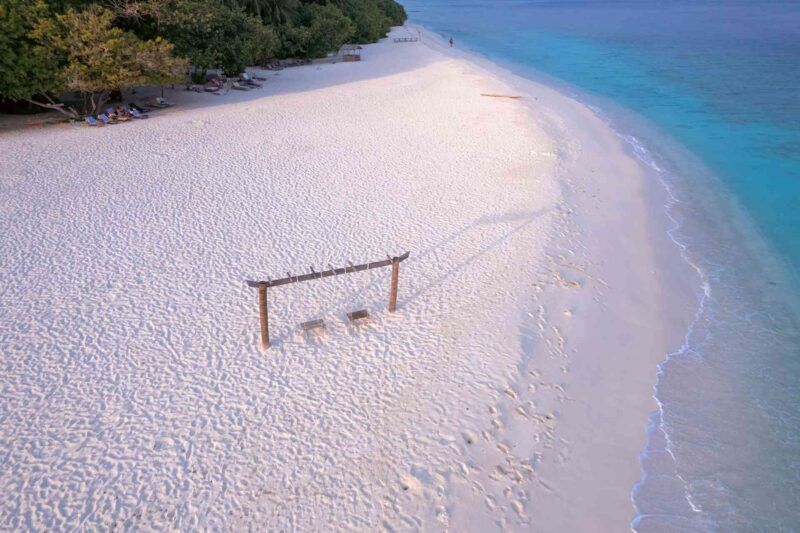
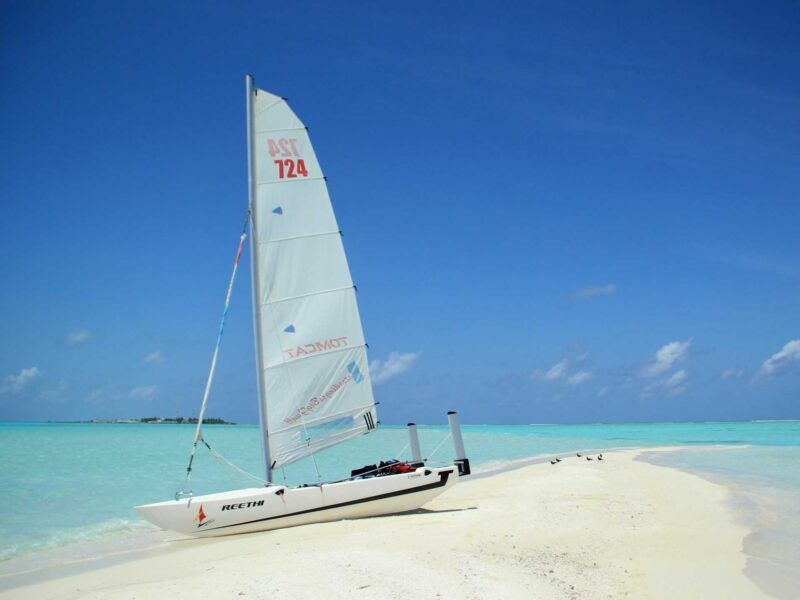
Sandbanks deserve a special mention. These tiny strips of white sand in the middle of turquoise water are as surreal as they sound. You get dropped off with snacks, shade, maybe a beach setup, and suddenly your daily schedule consists of swimming, lounging, and wondering whether real life has been temporarily canceled.
Water sports and relaxing experiences
The Maldives are perfect for soft adventure. The lagoons are calm, the water is warm, and many resorts and guesthouses offer activities that are easy to try even for beginners, from kayaking to paddleboarding and parasailing.
Not every activity needs fins or a tank. If you want to stay active without going full underwater explorer, there are plenty of options above the surface too.
- Kayaking, including glass-bottom kayaks
- Stand-up paddleboarding
- Jet skiing
- Parasailing
- Windsurfing and kitesurfing in selected islands
- Spa treatments with ocean views
This mix is what makes the Maldives such a flexible destination. You can spend the morning chasing adrenaline and the afternoon doing absolutely nothing except listening to waves and pretending to read a book. That book may stay on page three for days, but nobody is judging.
Culture, food, and a visit to Malé
The cultural side of the Maldives is often overlooked, but it adds depth to the trip. Visiting Malé, exploring local islands, and trying traditional dishes help you understand the country beyond its luxury image.
Malé, the capital, is compact, busy, and very different from the serene resort islands. It is worth visiting if you want to see a more urban side of the country. Key stops include local markets, the fish market, the National Museum, and the Old Friday Mosque.
What to eat in the Maldives
Maldivian cuisine is based on tuna, coconut, rice, and spices, with influences from India and Sri Lanka. It is flavorful, simple, and especially satisfying after a day in the sea.
- Mas huni – tuna, coconut, onion, and chili, often for breakfast
- Garudhiya – clear fish soup served with rice and lime
- Fihunu mas – grilled fish with spices
- Roshi flatbread
- Hedhikaa snacks such as samosas and fish cakes
And if you want to say hi in the Maldives, the local language is Dhivehi, and a common greeting is “Assalaamu Alaikum”. It is respectful, easy to learn, and considerably more elegant than a cheerful wave while carrying snorkel gear.
How much does a 7-day trip to Maldives cost?
A 7-day trip to the Maldives can suit different budgets depending on where you stay, how you move around, and what activities you choose. The destination is not only for luxury travelers; local islands make it much more accessible than many people expect.
Here is a rough cost comparison for one week per person, excluding international flights:
| Travel style | Estimated 7-day budget | What it includes |
|---|---|---|
| Budget | $700–$1,200 | Guesthouses, local ferries or speedboats, simple meals, shared excursions |
| Mid-range | $1,500–$3,000 | Nice guesthouses or affordable resorts, transfers, several activities |
| Luxury | $4,000+ | Private resort, seaplane transfer, premium dining, curated experiences |
The trick is deciding what matters most to you. Splurge on marine excursions and keep accommodation simple, or go all-in on a resort and enjoy the built-in reef. Either way, there are plenty of things to do in Maldives without needing billionaire energy.
Maldives or Bali: which is better?
The better destination depends on the type of trip you want. The Maldives are stronger for beaches, marine life, privacy, and island luxury, while Bali offers more culture, nightlife, temples, and variety on land.
If your dream trip includes reef snorkeling, turquoise lagoons, and total switch-off mode, the Maldives usually win. If you want cafés, waterfalls, rice terraces, and lots of moving around by scooter, Bali may suit you better. They are simply different experiences, and the right choice depends on your mood, budget, and tolerance for choosing between coconuts and smoothie bowls.
Final tips for planning your Maldives itinerary
The best Maldives itinerary combines underwater activities, time to relax, and at least one local experience. Choosing the right island or atoll is more important than packing too many activities into the schedule.
Before you book, keep these practical tips in mind:
- Travel in the dry season from December to April for sunnier weather
- Mix a local island stay with a resort if your budget allows
- Check transfer times carefully before booking remote islands
- Prioritize reefs and excursions if marine life is your main interest
- Respect local customs on inhabited islands, especially dress codes
The Maldives are one of those rare places that look amazing in photos and still manage to exceed expectations in person. You go for the beaches, but you remember the turtles, the boat rides, the glowing water, the grilled fish, the tiny islands, and that feeling of being somewhere truly special.
If this paradise is calling your name, it might be the perfect time to discover WeRoad group trips to the Maldives and experience these islands with fellow travelers ready for adventure.
FAQ
- What are the best things to do in the Maldives for first-time visitors?
-
First-time visitors should prioritize snorkeling, a sunset dolphin cruise, island hopping, a visit to a local island, and at least one day dedicated to relaxing on a sandbank or beautiful beach.
- Is the Maldives only for honeymooners?
-
No, the Maldives are great for honeymooners, but also for solo travelers, friends, and families who enjoy marine life, water activities, and slow-paced island travel.
- How many days do you need in the Maldives?
-
A stay of 5 to 7 days is ideal for enjoying the beaches, trying several excursions, and visiting more than one island without rushing.
- Can you visit the Maldives on a budget?
-
Yes, staying on local islands, using guesthouses, and booking shared excursions can make the Maldives much more affordable than many travelers expect.
- What is the best time to visit the Maldives?
-
The best time is usually from December to April, when rainfall is lower and sea conditions are generally excellent for snorkeling, diving, and boat trips.