In a nutshell
- This route is ideal for first-time visitors because it combines Japan’s major highlights in a logical order, starting in Tokyo and moving toward Kyoto with optional stops in Hakone or the Fuji area, plus easy additions like Nara and Osaka.
- Four days in Tokyo allow for a strong mix of traditional and modern experiences, including temples, food districts, shopping streets, skyline views, and possible day trips such as Kamakura or Nikko without making the pace feel rushed.
- Adding one or two nights in Hakone or Kawaguchiko breaks up the city rhythm, introduces onsen culture and scenic landscapes, and gives travelers a realistic chance to experience Mount Fuji rather than just hoping for a lucky glimpse from a train window.
- Kyoto deserves at least four nights in a 2-week Japan itinerary because its key sights are spread across several districts; this amount of time makes it easier to visit Fushimi Inari, Arashiyama, Gion, Kiyomizu-dera, and quieter corners without burnout.
- The itinerary stays flexible at the end, letting travelers choose between energetic Osaka for food and nightlife or extra time in Kyoto for a slower finish, while practical planning around shinkansen, IC cards, and light packing makes the whole route smoother.
Planning two weeks in Japan can feel a bit like trying to order ramen from a vending machine while ten hungry locals wait behind you: exciting, mildly stressful, and very worth it. The good news? With 14 days, you can build a balanced route that mixes neon-lit cities, ancient temples, scenic day trips, and enough great food to make your camera roll 70% noodles.
This guide is designed for first-time visitors who want a smooth Japan itinerary for 2 weeks without sprinting through the country like they are late for a shinkansen. The route starts in Tokyo and ends around Kyoto, with smart stops in between to help you see Japan’s contrasts: futuristic and traditional, fast-paced and deeply calm, polished and delightfully quirky.
Why this 2-week Japan route works so well
This route gives first-time travelers a practical and enjoyable overview of Japan. It combines major highlights with manageable travel times, avoids excessive hotel hopping, and leaves enough flexibility for weather, energy levels, and personal interests. It is especially effective if you want to experience both urban Japan and its historic heartland.
In simple terms, this itinerary is the sweet spot. You get Tokyo for modern city energy, Hakone or Mount Fuji for iconic scenery, Kyoto for temples and tradition, Nara for a classic day trip, and Osaka if you want nightlife and food that may ruin all future snacks for you forever.
- Best for: first-time visitors
- Trip length: 14 days
- Style: classic route with easy logistics
- Pace: balanced, not frantic
2-week Japan itinerary at a glance
This 14-day plan follows a logical east-to-west route. It minimizes backtracking, uses Japan’s efficient trains well, and groups sightseeing by area. You can follow it exactly or swap a few day trips depending on the season, your budget, and whether you prefer shrines, shopping streets, or hot springs.
| Days | Base | Main focus |
|---|---|---|
| Days 1-4 | Tokyo | Neighborhoods, temples, food, city views |
| Days 5-6 | Hakone or Fuji area | Onsen, nature, Mount Fuji views |
| Days 7-10 | Kyoto | Temples, shrines, traditional districts |
| Day 11 | Nara | Day trip for Todai-ji and Nara Park |
| Days 12-13 | Osaka or Kyoto | Food, nightlife, castle, easy pace |
| Day 14 | Kansai departure | Fly from Osaka or return onward |
Days 1 to 4: Tokyo
Tokyo is the ideal starting point because it is well connected, easy to navigate with a little preparation, and packed with attractions for every travel style. Spending four days here allows you to explore distinct neighborhoods without rushing and gives your body time to recover from jet lag.
Do not try to “see Tokyo” in one giant heroic march. Tokyo is enormous, and each area feels like a different city wearing the same name tag. Group your days by neighborhood and save your feet from filing a formal complaint.
Day 1: Arrival and a light first evening
Your first day should focus on settling in, learning the local transport system, and staying awake long enough to avoid a full jet-lag collapse at 5 p.m. Choose a well-connected area and keep sightseeing minimal.
Good neighborhoods for first-timers include Shinjuku, Shibuya, Ueno, and Asakusa. After check-in, do something easy: stroll local streets, grab ramen, visit a convenience store, and marvel at how even a humble egg sandwich can become a spiritual experience.
Day 2: Classic Tokyo highlights
Your second day is perfect for mixing traditional and modern attractions. This creates a rounded first impression of the city and helps you understand Tokyo’s unique contrast between history and hypermodern life.
A strong day could include:
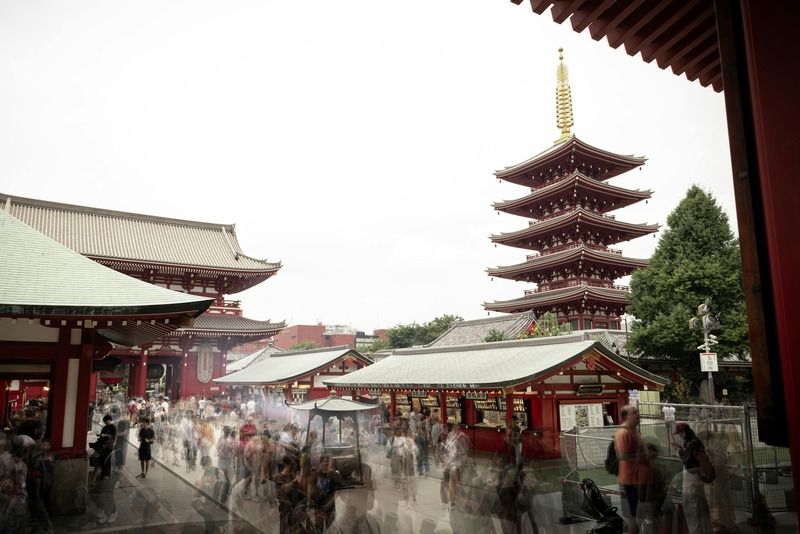
- Asakusa and Senso-ji Temple
- A walk by Tokyo Skytree or along the Sumida area
- Ueno for parks and museums
- Evening in Akihabara or Ginza
By evening, you may start to suspect Tokyo residents have somehow unlocked a secret extra gear. They walk fast, commute flawlessly, and still queue politely for dessert. Respect.
Day 3: Shibuya, Harajuku and Meiji Jingu
This day works best when focused on western Tokyo. The area combines famous city scenes, shopping, youth culture, and one of the city’s most peaceful shrines, all within a manageable distance.
Start at Meiji Jingu early, then move to Harajuku, Omotesando, and Shibuya. See the Shibuya Crossing, browse shops, and stay for the night lights. If you want a skyline view, add Shibuya Sky and prepare to take approximately 600 photos that all look suspiciously similar but still feel necessary.
Day 4: Choose a Tokyo day trip or explore deeper
Your fourth day should remain flexible. Depending on your energy, you can either explore more neighborhoods in Tokyo or take a simple day trip to add variety before moving on to the next base.
Best options include Kamakura for temples and coast, Nikko for nature and ornate shrines, or just more time in Tokyo for places like Yanaka, Nakameguro, or teamLab. There is no wrong answer here, only different levels of stair-climbing.
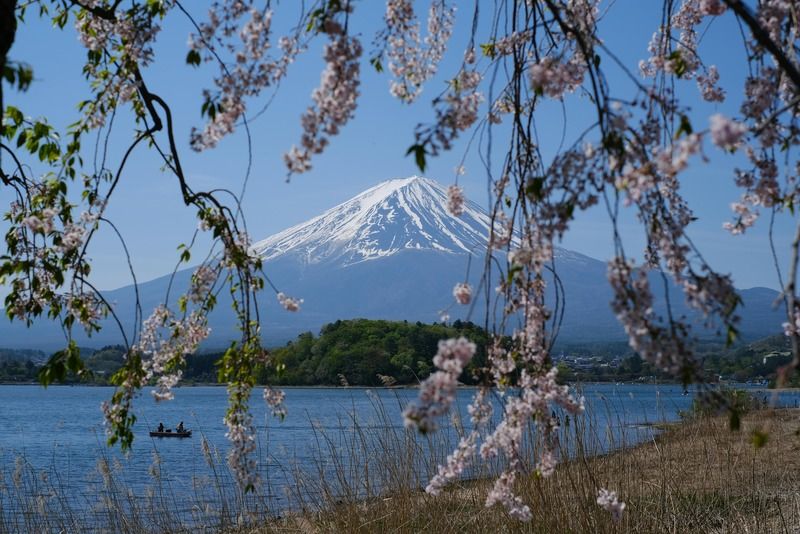
Days 5 to 6: Hakone or Mount Fuji area
Adding a short stay outside Tokyo introduces a very different side of Japan. This break offers natural scenery, a slower rhythm, and a chance to enjoy an onsen experience. It also helps balance the urban intensity of the first part of the trip.
If your dream includes seeing Mount Fuji, know this: Fuji is majestic, iconic, and occasionally shy like a celebrity in oversized sunglasses. Weather matters. A night in Kawaguchiko or Hakone improves your chances.
Hakone vs Fuji Five Lakes
Both destinations are good, but they offer different experiences. Hakone is better for hot springs, art museums, and easy tourist infrastructure. The Fuji Five Lakes area is stronger if your top priority is direct views of Mount Fuji.
| Destination | Best for | Things to consider |
|---|---|---|
| Hakone | Onsen, ropeway, Lake Ashi, ryokan stay | Fuji views are not guaranteed |
| Kawaguchiko | Classic Mount Fuji views, lakes, photo spots | More weather-dependent |
For many travelers, one night is enough. Two nights are better if you want to slow down, soak in an onsen, and stop pretending you are definitely fine after carrying luggage through three train stations.
Days 7 to 10: Kyoto
Kyoto deserves multiple days because its attractions are spread across different districts and are best enjoyed at a slower pace. Staying four nights allows you to visit major landmarks early, explore quieter areas, and appreciate the city beyond its most photographed corners.
This is where your japan itinerary 2 weeks starts feeling wonderfully different. Tokyo dazzles, but Kyoto lingers. The mornings are quieter, the lanes narrower, and every second corner seems to contain either a perfect temple garden or a matcha dessert plotting to empty your wallet.
Day 7: Southern Higashiyama and Gion
Your first Kyoto day should focus on one of the city’s most iconic areas. This district combines temples, old streets, scenic viewpoints, and traditional architecture in a compact route.
Visit Kiyomizu-dera early, then walk through Sannenzaka and Ninenzaka. Continue to Yasaka Shrine and finish in Gion. Go early or late if possible, because midday crowds can turn your serene temple walk into an accidental group shuffle.
Day 8: Fushimi Inari and central Kyoto
This day works best when started early. Fushimi Inari is one of Kyoto’s most famous sights, and the experience is significantly better before large tour groups arrive.
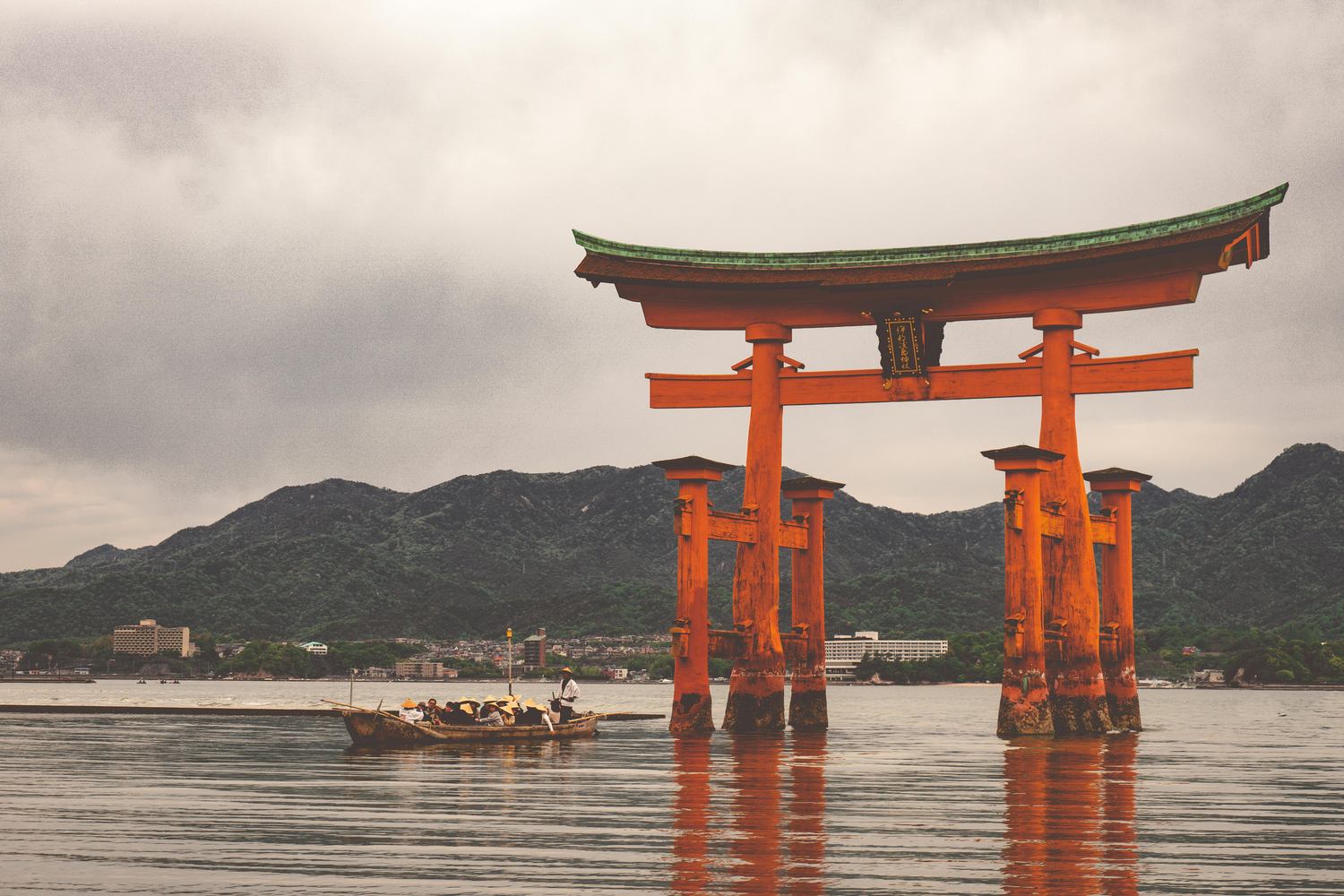
Walk through the torii gates of Fushimi Inari Taisha, then spend the afternoon at Nishiki Market, Pontocho, or the Kyoto Station area. If your legs still function, add a tea house or sake tasting. If not, sit down proudly and eat everything.
Day 9: Arashiyama and western Kyoto
Western Kyoto offers a mix of natural scenery and major landmarks. It is ideal for a full day and rewards an early start, especially if you want to enjoy quieter surroundings at the bamboo grove.
See the Arashiyama Bamboo Grove, Tenryu-ji, and the riverside area. If you want more, add the monkey park or a scenic train. The bamboo grove is smaller than many imagine, but still lovely. Think “peaceful corridor,” not “endless forest from a fantasy film.”
Day 10: Flexible Kyoto day
Your final full day in Kyoto should be adaptable. Use it to visit places you missed, explore quieter corners, or simply slow down and enjoy the atmosphere without a packed checklist.
Popular options include:
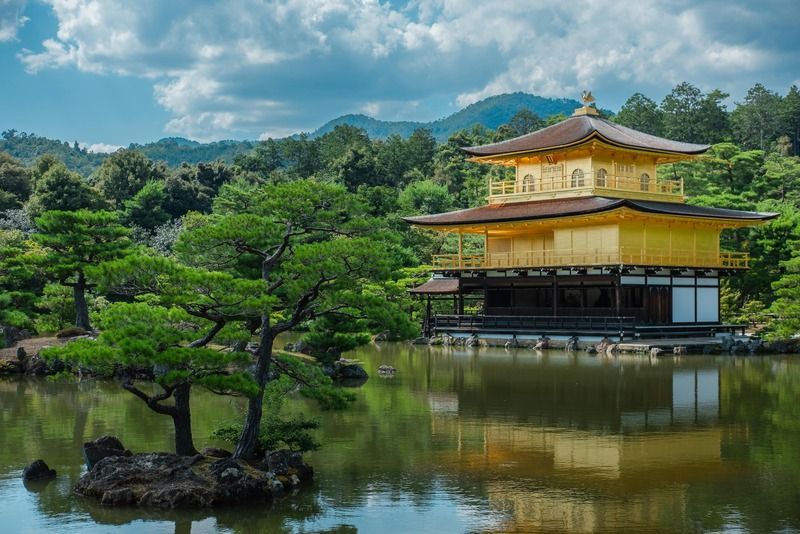
- Kinkaku-ji
- Philosopher’s Path
- Nijo Castle
- Uji for tea culture
- A tea ceremony or cultural workshop
Not every moment has to be landmark after landmark. Sometimes the best Kyoto memory is just wandering into a tiny café and realizing the pastry is so pretty you almost apologize before eating it.
Day 11: Nara day trip
Nara is one of the easiest and most rewarding day trips from Kyoto. It is compact, culturally important, and very manageable in one day, making it a smart addition to a two-week route.
Main stops include Nara Park, Todai-ji Temple, and Kasuga Taisha. Yes, the deer are famous. Yes, they are cute. No, they are not always polite. Some of them operate with the confidence of seasoned snack thieves, so hold your crackers like you mean it.
Days 12 to 13: Osaka or extra Kyoto time
The final stretch of this itinerary can be adapted based on your interests. Osaka is ideal if you want food, nightlife, and a livelier urban atmosphere. Staying in Kyoto instead makes sense if you prefer a slower and more traditional ending to the trip.
If you choose Osaka, visit Dotonbori, Shinsekai, and Osaka Castle. Eat takoyaki, okonomiyaki, kushikatsu, and maybe one mysterious street snack you point at with confidence and zero factual knowledge. That is called growth.
If you stay in Kyoto, use the time for a deeper experience, shopping, or a half-day trip. Both choices work well in a Japan itinerary for 2 weeks; it simply depends on the flavor you want for the ending.
How to get around Japan in 2 weeks
Japan’s transport system is efficient, clean, and highly reliable. For this route, trains are the best option for intercity travel, while local metro and buses cover city sightseeing. Planning a few major transfers in advance makes the entire itinerary much easier.
Key tips:
- Use an IC card for city transport
- Book major shinkansen legs in advance during busy seasons
- Check if a JR Pass is actually worth it, because it is not always the cheapest choice now
- Travel light if possible, or use luggage forwarding
Nothing builds character quite like dragging a giant suitcase through a station during rush hour, but ideally your trip should build memories instead. Pack smarter than your optimistic self usually does.
When to do this itinerary
This route works year-round, but each season creates a different experience. Spring and autumn in Japan are especially popular because of comfortable temperatures and beautiful natural scenery, while summer and winter have their own advantages depending on your priorities.
- Spring: cherry blossoms, mild weather, bigger crowds
- Autumn: foliage, comfortable temperatures, excellent light
- Summer: festivals, greenery, more heat and humidity
- Winter: fewer crowds, crisp views, festive illuminations
Budget expectations for 2 weeks in Japan
Costs vary widely, but Japan can be more flexible than many first-time visitors expect. It is possible to travel comfortably on a mid-range budget if you plan transport and accommodation carefully and mix inexpensive meals with a few splurges.
A rough mid-range estimate per person for 14 days might include:
- Hotels: moderate business hotels or guesthouses
- Transport: intercity trains plus local transit
- Food: casual restaurants, convenience stores, a few special dinners
- Attractions: temples, museums, observation decks, activities
The beauty of Japan is that lunch from a train station basement or convenience store can somehow be excellent. Your budget may survive. Your standards for everyday food back home may not.
Final tips for first-time travelers
A successful trip depends as much on rhythm as on route. Booking the right number of bases, starting sightseeing early, and allowing room for spontaneity will improve your experience more than trying to squeeze in every possible landmark.
- Start early for major attractions
- Leave room for weather changes
- Do not overpack your days
- Learn basic train etiquette and cash habits
- Reserve popular stays early, especially in cherry blossom season
If you want a first trip that feels complete without becoming exhausting, this japan itinerary 2 weeks route from Tokyo to Kyoto is one of the smartest ways to do it. And if Japan has already made it onto your travel wish list permanently, you can also discover WeRoad group trips to Japan for this destination and share the adventure with other curious travelers.
FAQ
- Is 2 weeks enough for Japan for a first trip?
-
Yes, 2 weeks is enough for a strong first introduction to Japan. You will not see everything, but you can comfortably cover Tokyo, Kyoto, a scenic stop like Hakone or Mount Fuji, and one or two day trips without feeling constantly in transit.
- Should I include Osaka in a 2-week Japan itinerary?
-
Yes, if you enjoy food, nightlife, and a more energetic city vibe. However, it is optional. If you prefer temples, slower mornings, and traditional scenery, extra time in Kyoto can be a better fit.
- Is the JR Pass worth it for this route?
-
Not always. Since prices changed, many travelers save more by buying individual train tickets. It depends on your exact route and whether you add long-distance trips like Hiroshima. Always calculate the cost before buying.
- Where should I stay in Tokyo and Kyoto as a first-time visitor?
-
In Tokyo, good first-time areas include Shinjuku, Shibuya, Ueno, and Asakusa for convenience and transport. In Kyoto, Gion, downtown Kyoto, and areas near Kyoto Station work well depending on whether you want atmosphere or easier transfers.
- What is the best season for this itinerary?
-
Spring and autumn are usually the most pleasant because of mild temperatures and beautiful scenery. Spring offers cherry blossoms, while autumn brings colorful foliage. Both seasons are popular, so booking early is important.