Group trips to Antarctica
Our organized trips to Antarctica
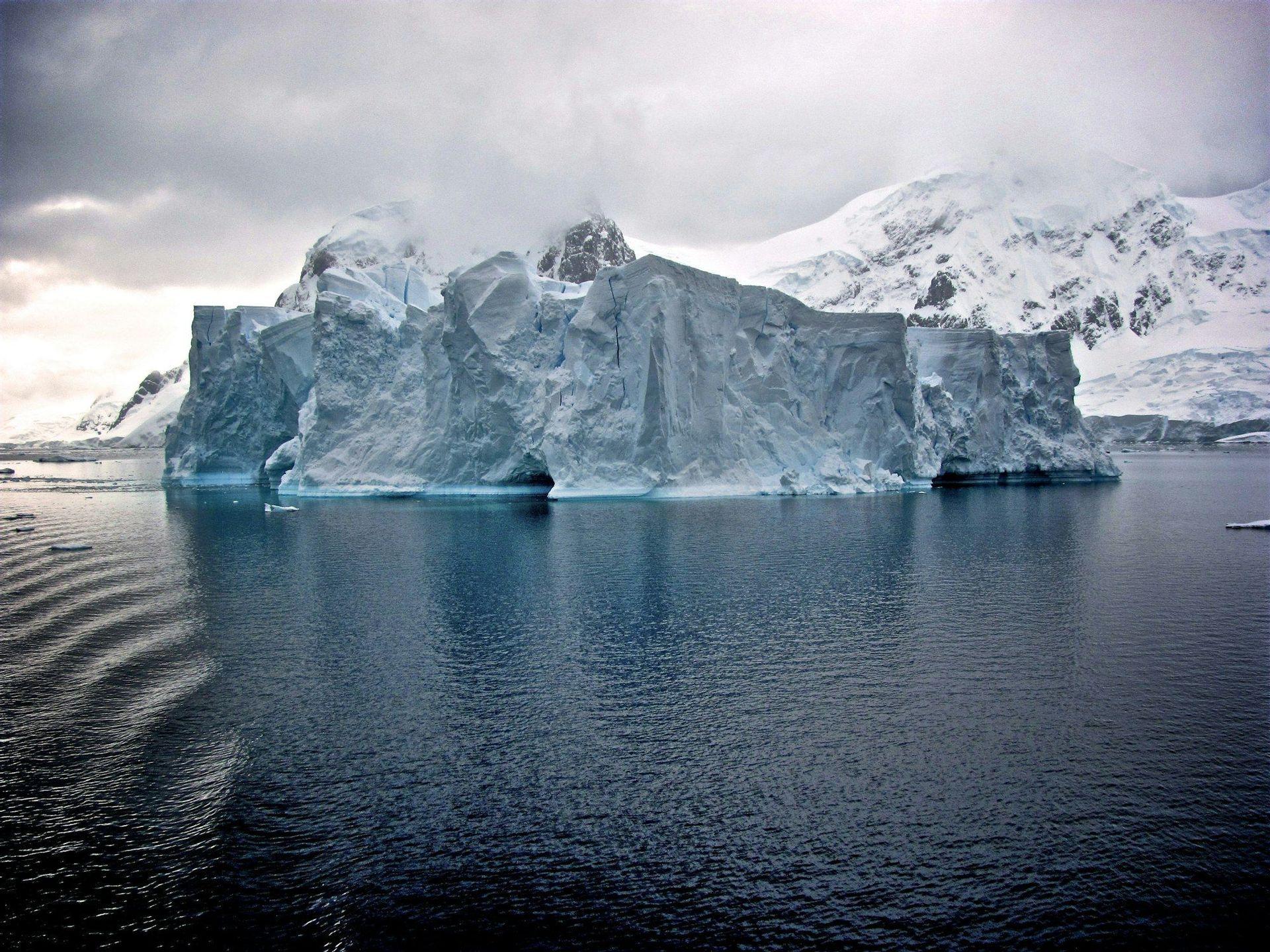
Far beyond the familiar horizons, Antarctica emerges as a continent shaped purely by nature's most magnificent hand, a realm of pristine wilderness and breathtaking beauty where profound silence meets vibrant life. From the dramatic ice-sculpted fjords of the Antarctic Peninsula, where colossal icebergs drift in silent majesty, to the wildlife-rich shores of the South Shetland Islands teeming with penguins and seals, and the majestic serenity of the Lemaire Channel, this unique land offers an unparalleled adventure. Antarctica invites curious explorers and discerning nature lovers to witness its untouched grandeur, ready to be captivated by its wonders and discover a world unlike any other on Earth.

Book with confidence
Book with $ 0
Lock in your spot and only pay once it's confirmed
Free changes
Switch dates or destination within 31 days, at no extra cost
Maximum Flexibility
New Flexible Cancellation! Cancel up to 24hrs before
Pay in installments
Spread the cost over time, interest-free
FAQs about Antarctica
Find out the entry requirements for Antarctica, and, if needed, apply for your visa through our partner Sherpa.
Before traveling, always remember to check the government website of your country of origin for updates on the entry requirements for Antarctica – you wouldn’t want to stay home due to a bureaucratic detail!
- UK residents: review the FCDO Travel Advice.
- US residents: consult the US Department of State Travel Advice.
- Other residents: refer to your government or local consulate's travel advice.
Antarctica doesn't have a specific time zone because it's not governed by any single country, and researchers follow the time zone of their home country or the supply country for their station. However, many research stations use Coordinated Universal Time (UTC) or the time zone of the country that operates the base.
For example, the McMurdo Station follows New Zealand Standard Time (NZST). If it's 12pm in the UK, it would be 11pm in NZST, and if it's 12pm in the USA (Eastern Time), it would be 6am the next day in NZST. Always check with the specific station you're visiting for the exact time zone they observe.
Antarctica doesn't have its own currency, as it's not a country and doesn't have a native population. Most transactions, if needed, are conducted in the currency of the country that operates the station you're visiting. For example, if you're at a U.S. research station, U.S. dollars might be used, while a British station might use British pounds. Visitors typically don't need to worry much about currency since most visits are part of organized tours or expeditions that handle such logistics.
In Antarctica, payment methods can be a bit different since there aren't any permanent residents or commercial services like shops or restaurants. Transactions are usually limited to research stations and are often managed by the country that operates them. If you happen to be on a tour or staying at a research station, we recommend you bring cash in either USD or EUR, as they are the most commonly accepted currencies. Credit cards might be accepted by some tour operators, but it is best to confirm this in advance with your tour provider. Keep in mind that there are no ATMs, so plan accordingly.
Tipping in Antarctica isn't customary since it's more about the experience and less about service industries like restaurants or hotels. However, if you're on an organized tour or cruise, guides and staff might appreciate a small tip for exceptional service. It's always good to check with your tour company for their specific guidelines on tipping. Generally, if you decide to tip, it’s usually done in cash at the end of the trip, and the amount is entirely up to you.
Internet in Antarctica is limited and primarily available at research stations. Wi-Fi is not commonly available for tourists and is generally reserved for scientific purposes. Since Antarctica is not part of any country's mobile network, buying a SIM card won't help. If you're visiting with a tour, check with your provider about possible communication options. Satellite phones or communication devices provided by the tour operator might be your best bet for staying connected. Keep in mind that connectivity can be slow and expensive.
Antarctica doesn't have an official language since it's not a country and doesn't have a native population. However, researchers and staff from many countries work there, and they usually speak the language of their home country. The most commonly spoken languages are:
- English
- Russian
- French
- Spanish
If you're visiting a research station, it's helpful to know a few expressions in these languages, but English is widely understood in international settings.
In Antarctica, the type of plug you'll generally find is Type C, which is the standard European plug with two round pins. The voltage is around 220-240V, and the frequency is 50Hz. Since these plugs are not the same as those used in the UK or the USA, we suggest you bring a universal adapter to ensure you can charge your devices while you're there. Keep in mind that electricity availability can be limited depending on the research station, so it's good to plan accordingly.
Antarctica doesn't have a native human population or an official religion. Researchers and visitors from all over the world, with various religious beliefs, temporarily inhabit the scientific stations. There's no established religious practice on the continent, but some stations may have small chapels or areas for personal reflection, catering to diverse faiths.
Packing for Antarctica requires careful planning due to its extreme weather conditions. Here's a suggested list to help you prepare your backpack:
-
Clothing:
- Thermal base layers
- Insulated jacket
- Waterproof and windproof outer layer
- Fleece or wool sweaters
- Warm hat, scarf, and gloves
- Thermal socks
-
Shoes:
- Insulated and waterproof boots
- Comfortable indoor shoes or slippers
-
Accessories and Technology:
- Sunglasses with UV protection
- Binoculars for wildlife viewing
- Camera with extra batteries
- Power bank
-
Toiletries and Medication:
- High SPF sunscreen
- Lip balm with SPF
- Moisturizer
- Personal medications
- Motion sickness pills
Packing the right gear is crucial for a safe and comfortable adventure in Antarctica.
Antarctica is one of the coldest places on Earth, with extreme weather conditions. Here's a breakdown:
- Coastal Areas: During the summer months (November to February), temperatures can range from -2°C to 8°C (28°F to 46°F). Winter (March to October) is much colder, with temperatures often dropping below -20°C (-4°F).
- Interior: Even in summer, temperatures are very low, ranging from -20°C to -30°C (-4°F to -22°F). In winter, it can plummet to -60°C (-76°F) or colder.
The best time to visit is during the Antarctic summer when conditions are less harsh and there's more daylight. Remember, weather can be unpredictable, so always be prepared for sudden changes.