In a nutshell
- Route 66 runs from Chicago to Santa Monica across eight states and covers about 2,448 miles, but today it is followed through historic sections, local roads, and state-marked alignments rather than one continuous official highway.
- A realistic route 66 itinerary for the full journey is 10 to 16 days, with 14 days offering the best balance between driving time, sightseeing, detours, and overnight stops in classic towns.
- The most memorable experiences come from a mix of iconic landmarks and roadside Americana, including Chicago’s start sign, Cadillac Ranch, Tucumcari’s neon, Oatman, Roy’s in Amboy, and the final stop at Santa Monica Pier.
- If you are asking how much does it cost to do Route 66, expect roughly $1,800 to $4,500 per person for two weeks excluding flights, depending on car rental, accommodation style, food choices, and one-way drop-off fees.
- 2026 marks the 100th anniversary of Route 66, making it a particularly special year to travel, but also one that requires earlier booking for accommodation, event dates, and iconic motels along the route.
Some roads are just roads. Others become legends. Route 66 belongs firmly to the second category: part highway, part time machine, part giant open-air museum of diners, neon signs, deserts, and small-town Americana. If you are dreaming about a classic US road trip, this is the one that turns a simple drive into a story worth retelling for years.
In 2026, the route celebrates the 100th anniversary of its inauguration, making this the perfect moment to plan a journey along the Mother Road. Whether you want the full crossing from Chicago to Santa Monica or a shorter section, this guide covers the essential Route 66 itineray, the best stops, realistic costs, and a practical itinerary to help you hit the road with fewer surprises and a lot more style.
Your Road Trip Around the World
Are road trips your kind of adventure? Discover our group trips designed for those who love hitting the open road! Get off the beaten track and experience the most authentic side of Europe, Asia, Africa, and South America with WeRoad road trips. Click here, buckle up, and get ready for your next adventure!
Why Route 66 is still one of the great American road trips
Route 66 remains iconic because it combines history, scenery, pop culture, and freedom in one long drive across eight states. Even though it is no longer an official US highway, large sections are still accessible today, and the experience is less about speed than about atmosphere, heritage, and memorable roadside stops.
This is not the trip for anyone who wants to race from point A to point B with military precision and a coffee the size of a thimble. Route 66 rewards slow travelers, curious travelers, and anyone willing to brake suddenly for a giant blue whale, a retro motel sign, or a diner that looks like it has not changed since Elvis had good hair.
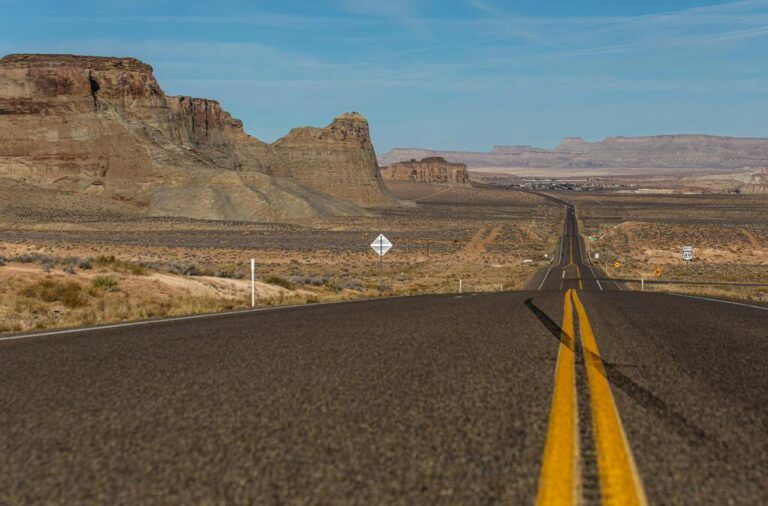
Along the way, you cross Illinois, Missouri, Kansas, Oklahoma, Texas, New Mexico, Arizona, and California. Landscapes shift from city streets and farmland to prairies, red-rock deserts, and Pacific coast vibes. Few routes pack so much variety into one journey.
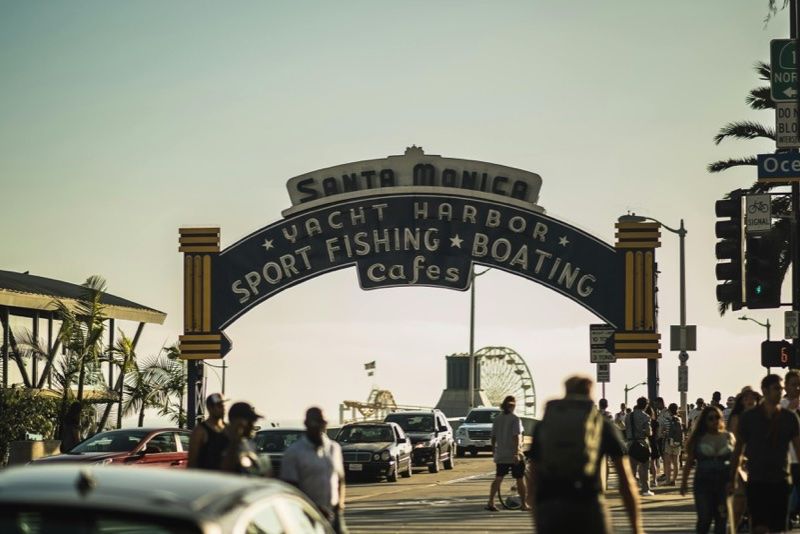
Route 66 route: where it starts, where it ends, and how it works today
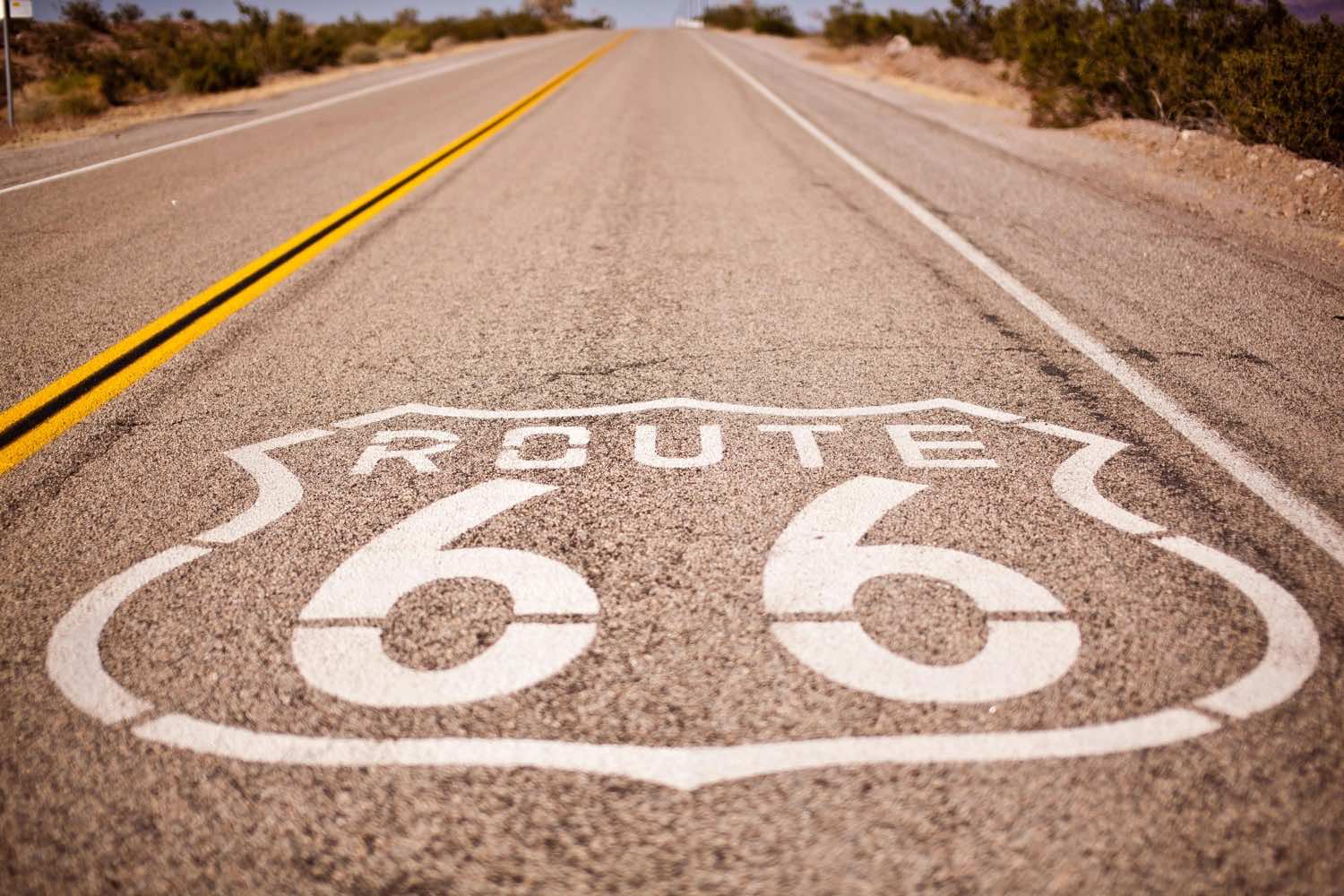
The classic Route 66 route traditionally starts in Chicago, Illinois, and ends in Santa Monica, California. Historically, the road connected Chicago to Los Angeles, later extending to Santa Monica. Today, it is followed through a patchwork of historic alignments, local roads, and state-marked sections rather than one continuous signed highway.
The full route is about 2,448 miles, or roughly 3,940 km. Because it was decommissioned in 1985, you will not simply enter “Route 66” into your maps app and magically glide along a single road the whole way. You need a bit of planning, and ideally a dedicated map, guide, or navigation app focused on historic alignments.
That said, yes: Route 66 is still drivable in large part. Some sections have been absorbed into interstate highways, others survive beautifully as historic two-lane roads, and a few fragments are bypassed or broken up. Think of it less as one uninterrupted ribbon and more as a treasure hunt with excellent snacks.
How long does it take to drive Route 66?
Most travelers need between 10 and 16 days to enjoy the full route comfortably. It can be done faster, but that turns a classic road trip into a long-distance logistics exercise. If you want the real experience, plan enough time for detours, museums, diners, viewpoints, and unplanned stops.
A very fast trip can be done in about 8 to 9 days, but you will spend a lot of time driving and not much time actually enjoying what makes the road special. A more balanced Route 66 itinerary is around 14 days. That gives you room for major stops without feeling like you are in a documentary narrated by your own stress.
A good timing rule of thumb
A practical pace is to drive 150 to 250 miles per day on average if you want to stop often and enjoy the route. On some days, especially in the Southwest, distances feel easier. On others, you will lose track of time because you accidentally spent 40 minutes photographing a sign, a gas pump, and a pie.
Suggested 14-day Route 66 itinerary
A two-week trip is the sweet spot for most people. It allows you to cover the full route, include classic towns and landmarks, and still leave space for spontaneous discoveries. This sample itinerary balances driving time, sightseeing, and overnight stops in places with services and atmosphere.
- Day 1: Chicago to Springfield, Illinois
- Day 2: Springfield to St. Louis, Missouri
- Day 3: St. Louis to Springfield, Missouri
- Day 4: Springfield to Tulsa, Oklahoma
- Day 5: Tulsa to Oklahoma City
- Day 6: Oklahoma City to Amarillo, Texas
- Day 7: Amarillo to Tucumcari or Santa Rosa, New Mexico
- Day 8: Santa Rosa to Albuquerque
- Day 9: Albuquerque to Gallup
- Day 10: Gallup to Holbrook or Winslow, Arizona
- Day 11: Winslow to Flagstaff to Williams or Seligman
- Day 12: Seligman to Kingman to Needles, California
- Day 13: Needles to Barstow to San Bernardino
- Day 14: San Bernardino to Santa Monica
If you have more time, add detours to the Grand Canyon, Sedona, or Santa Fe. If you have less time, consider focusing on one section: the Southwest stretch from New Mexico to California is especially popular for scenery and classic roadside nostalgia.
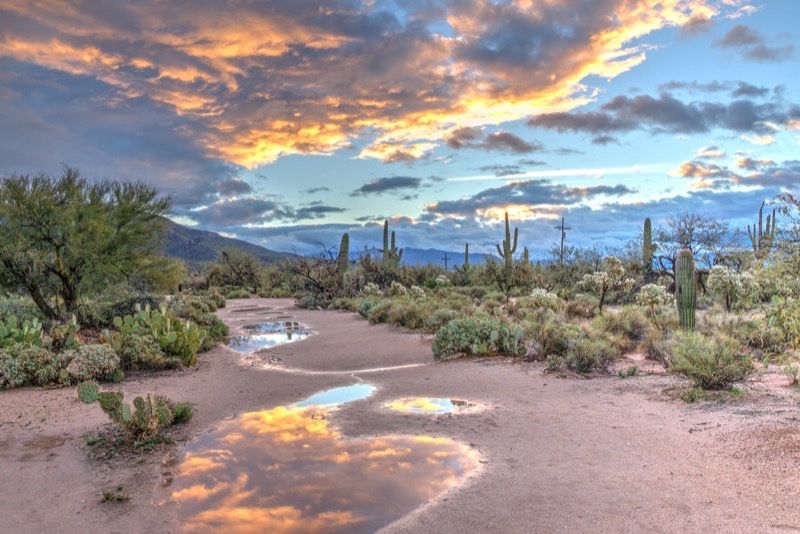
Route 66: what to see along the way
The best sights on Route 66 mix historic landmarks, roadside oddities, landscapes, and old-school Americana. You are not just collecting attractions; you are building the mood of the trip. The iconic stops are spread across all eight states, so the smartest approach is to choose a blend of famous highlights and smaller local gems.
| Stop | State | Why it matters |
|---|---|---|
| Route 66 Begin Sign, Chicago | Illinois | The symbolic starting point and the classic first photo stop. |
| Chain of Rocks Bridge | Missouri | Historic bridge with one of the route’s most distinctive engineering features. |
| Blue Whale of Catoosa | Oklahoma | Pure roadside Americana, delightfully weird in the best possible way. |
| Cadillac Ranch | Texas | Famous public art installation and one of the most photographed Route 66 sites. |
| Tucumcari neon district | New Mexico | Vintage motel signs and classic Route 66 atmosphere after dark. |
| Winslow and Standin’ on the Corner | Arizona | A music-themed stop with easy charm and strong nostalgia appeal. |
| Oatman | Arizona | Historic mining town with burros wandering the street like they own the place. |
| Roy’s Motel & Cafe, Amboy | California | One of the most iconic desert landmarks on the western section. |
| Santa Monica Pier | California | The emotional finish line and the place for the final “we did it” photo. |
Other great stops include the Wigwam Motel, the U-Drop Inn in Shamrock, the Petrified Forest National Park area in Arizona, the Midpoint Cafe in Adrian, Texas, and countless vintage diners and gas stations. Basically, if it has neon, chrome, or a suspiciously giant sculpture outside, it is probably worth pulling over for.
How much does it cost to do Route 66?
The cost of a full Route 66 trip depends on your travel style, but a realistic budget is usually between $1,800 and $4,500 per person for two weeks. The main variables are car rental, fuel, accommodation, food, and whether you choose budget motels or more atmospheric historic stays.
If you are wondering how much does it cost to do Route 66, here is a practical estimate for one person sharing some expenses with a travel companion.
| Expense | Budget trip | Mid-range trip |
|---|---|---|
| Car rental for 14 days | $700–$1,000 | $1,100–$1,600 |
| Fuel | $300–$450 | $400–$550 |
| Accommodation | $700–$1,100 | $1,400–$2,400 |
| Food | $350–$500 | $600–$1,000 |
| Attractions and extras | $100–$250 | $250–$500 |
Flights are not included here, since they vary a lot depending on where you depart from. Also remember potential one-way rental fees if you pick up your car in Chicago and drop it in California. Those charges can sting a little. Or a lot. Like a cheerful scorpion made of admin.
How to save money on the road
There are several easy ways to lower your budget without ruining the experience. The trick is to spend where it matters and save where it does not.
- Travel with at least one other person and split car and hotel costs.
- Mix historic motels with simpler chain hotels.
- Book accommodation early, especially in 2026 during centennial events.
- Choose a fuel-efficient car over the “cool but thirsty” option.
- Plan a few picnic lunches between diner stops.
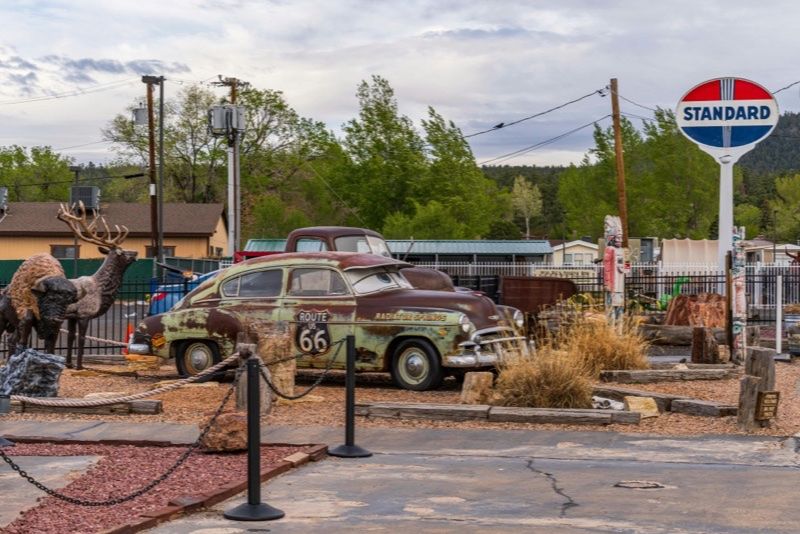
Best practical tips before driving Route 66
A successful Route 66 trip depends on preparation. The route is straightforward in concept, but details matter: navigation, weather, fuel planning, and overnight stops can make the difference between a smooth adventure and a very personal relationship with confusion in the middle of nowhere.
- Use a dedicated Route 66 map or app, not just a standard navigation tool.
- Check road conditions, especially for historic segments and desert stretches.
- Do not skip gas stations in remote areas of Arizona, New Mexico, and California.
- Travel in spring or fall for the best balance of weather and daylight.
- Pack layers, because temperatures can vary more than expected.
- Book iconic motels early if they are part of your dream itinerary.
And one more thing: do not overplan every minute. Route 66 works best when there is room for serendipity. The best memory of the trip may not be the famous stop you researched for weeks, but the tiny diner where someone calls you “hon” and serves pie with the confidence of a national institution.
Why fewer people use Route 66 for transport, but more people love it for travel
Route 66 declined as a practical transport corridor because it was replaced by faster, safer interstate highways. Travelers and freight traffic moved to roads designed for efficiency. What remained, however, was something the interstates could never replicate: character, local identity, and the feeling of traveling through the story of America.
That is exactly why people still seek it out today. You do not drive Route 66 because it is the quickest option. You drive it because the quickest option rarely comes with neon, jukeboxes, trading posts, desert sunsets, and a motel sign begging you to stop like a very persuasive grandparent.
Final thoughts for planning your Route 66 adventure
The best way to experience Route 66 is to treat it as a journey, not a checklist. With the right balance of planning and flexibility, you can build an unforgettable road trip across the American heartland and Southwest. The route is still drivable in large parts, the stops are wonderfully varied, and 2026 is an especially meaningful year to go.
Whether you complete the whole crossing or just a section, this legendary road delivers far more than mileage. It offers atmosphere, history, and the joy of taking the long way on purpose. And if you want to keep the adventure spirit going, discover WeRoad group trips on the Route 66 and find your next journey with a crew ready to share the ride.
FAQ
- Is Route 66 still drivable?
-
Yes, large portions of Route 66 are still drivable. It is no longer a continuous official US highway, so you will follow historic sections, frontage roads, local streets, and state-designated segments instead of one single road from start to finish.
- Where does Route 66 start and finish?
-
The traditional eastern start is in Chicago, Illinois, and the western finish is in Santa Monica, California. Historically, the route ended in Los Angeles before being extended to Santa Monica.
- How long does it take to drive the entire Route 66?
-
Most travelers need 10 to 16 days. If you want a comfortable pace with time for major sights and unplanned stops, 14 days is one of the best options.
- Why does no one use Route 66 anymore?
-
People stopped using Route 66 as a main transport route because the interstate highway system is faster, safer, and more direct. Today, Route 66 is valued mostly as a historic and cultural road trip rather than an efficient transport corridor.
- What is the best section of Route 66 to drive if I have limited time?
-
If you only have a few days, the stretch from New Mexico through Arizona to California is often considered the most rewarding. It combines classic desert scenery, famous roadside stops, and some of the best-preserved historic atmosphere.