Group trips to French Polynesia
Our organized trips to French Polynesia
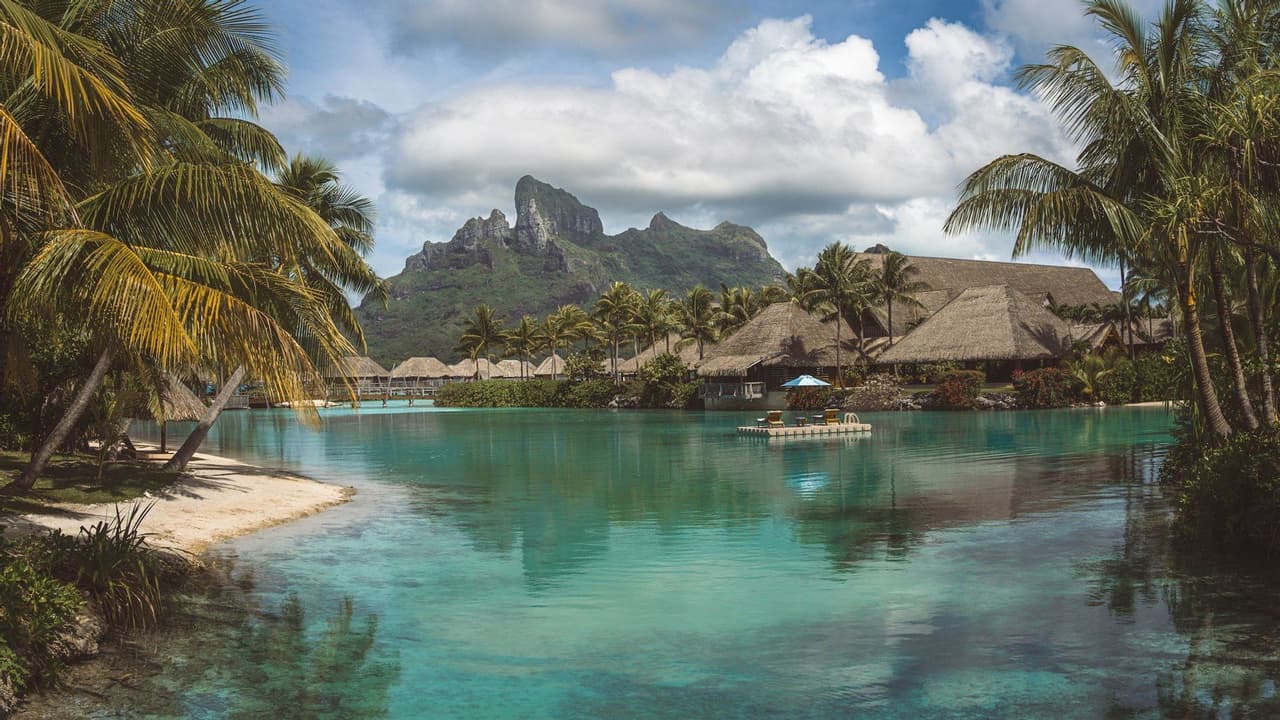
French Polynesia is a vast Pacific territory of a hundred and eighteen islands spread across five archipelagos, a place that has defined tropical paradise since Gauguin's paintings. It stands out for overwater bungalows, Polynesian dance and tattoo traditions, and volcanic peaks rising straight out of electric lagoons. Snorkel with sharks and rays in the Fakarava atoll, paddle Bora Bora's lagoon, hike Tahiti's Fautaua waterfall, surf Teahupoo, attend a Heiva festival, and visit Moorea's Belvedere lookout and pineapple plantations. Cruise the Marquesas aboard the Aranui 5 to see tikis at Taipivai and Hiva Oa. Try poisson cru and umu-cooked pork. It suits honeymooners, luxury travelers, surfers, divers, and culturally curious visitors willing to slow down.

Book with confidence
Book with $ 0
Lock in your spot and only pay once it's confirmed
Free changes
Switch dates or destination within 31 days, at no extra cost
Maximum Flexibility
New Flexible Cancellation! Cancel up to 24hrs before
Pay in installments
Spread the cost over time, interest-free
FAQs about French Polynesia
Find out the entry requirements for French Polynesia, and, if needed, apply for your visa through our partner Sherpa.
Before traveling, always remember to check the government website of your country of origin for updates on the entry requirements for French Polynesia – you wouldn’t want to stay home due to a bureaucratic detail!
- UK residents: review the FCDO Travel Advice.
- US residents: consult the US Department of State Travel Advice.
- Other residents: refer to your government or local consulate's travel advice.
French Polynesia is in the Tahiti Time Zone, which is 10 hours behind Coordinated Universal Time (UTC-10). If it is 12 pm in the UK, it will be 2 am in French Polynesia. If it is 12 pm on the East Coast of the USA, it will be 6 am there. Note that French Polynesia does not observe daylight saving time, so the time difference remains the same throughout the year.
The currency used in French Polynesia is the French Pacific Franc, abbreviated as XPF. As for the exchange rate, it usually hovers around:
- 1 GBP = 130 XPF
- 1 USD = 110 XPF
- 1 EUR = 120 XPF
However, it's a good idea to check the current rates before you travel. You can exchange currency at banks, airports, and some hotels in French Polynesia.
You can pay in French Polynesia using cash or credit cards. Visa and MasterCard are widely accepted, although some smaller businesses may prefer cash. ATMs are available in the main towns, so withdrawing local currency is convenient. It's a good idea to have some cash on hand for markets or remote areas where card payments might not be possible. Always check with your bank about international transaction fees before you travel.
Tipping in French Polynesia is not customary, so you don't need to worry about it. Service charges are usually included in the bill, particularly in hotels and restaurants. However, if you experience exceptional service and want to show appreciation, feel free to leave a small tip as a gesture of thanks. It’s entirely up to you, and staff will certainly appreciate the extra acknowledgment.
In French Polynesia, Wi-Fi availability can be limited, especially on smaller islands and more remote areas. You might find Wi-Fi in hotels, cafes, and some restaurants, but the speed may not be the best. Since French Polynesia is not in Europe or the Schengen area, we recommend you buy a local SIM card or an e-SIM data plan for better connectivity. Vini is a popular provider offering good coverage and data plans. Always check your device's compatibility with local networks before purchasing.
In French Polynesia, the official language is French. However, Tahitian is also widely spoken across the islands. Here are some useful expressions you might hear or use:
- Hello: Bonjour (French), Ia Orana (Tahitian)
- Thank you: Merci (French), Mauruuru (Tahitian)
- Yes: Oui (French), E (Tahitian)
- No: Non (French), Aita (Tahitian)
Knowing a few phrases can go a long way in making your trip more enjoyable!
In French Polynesia, they use Type C and Type E plugs. The voltage is 220 volts with a frequency of 60 Hz. If you're coming from a country that doesn't use these types of plugs, like the UK or the USA, you'll need to bring a universal adapter to charge your devices. It's a good idea to have one handy to avoid any inconvenience during your travels.
In French Polynesia, the main religion is Christianity, with a significant number of people following Protestantism and Roman Catholicism. Religious practices and celebrations are an integral part of daily life. Important religious holidays include Christmas and Easter, which are celebrated with local traditions and festivities. It's a good idea to be respectful of these customs and consider visiting during these times if you're interested in experiencing local religious traditions.
French Polynesia is a tropical paradise, so you will want to pack light and focus on comfort. Here's a handy list to help you pack your backpack:
-
Clothing:
- Lightweight t-shirts and tank tops
- Shorts and skirts
- Swimwear
- Light jacket or sweater for cooler evenings
- Sarong or beach cover-up
-
Shoes:
- Flip-flops or sandals
- Water shoes for coral reefs
- Casual shoes for exploring
-
Accessories and Technology:
- Sunglasses and a sun hat
- Waterproof phone case
- Camera or GoPro
- Portable charger
-
Toiletries and Medication:
- Sunscreen and after-sun lotion
- Insect repellent
- Basic first-aid kit
- Common travel medications like pain relievers, antihistamines, and motion sickness tablets
Remember, French Polynesia is all about outdoor activities, so pack accordingly to enjoy the beaches and beautiful landscapes.
French Polynesia enjoys a tropical climate, and the weather can vary slightly depending on the region and time of year. Here's a breakdown:
- Tahiti and Moorea: Generally warm and humid year-round with temperatures ranging from 24°C to 30°C (75°F to 86°F). The best time to visit is between May and October when it’s cooler and drier.
- Bora Bora: Similar tropical conditions with average temperatures around 25°C to 30°C (77°F to 86°F). May to October is also the ideal time to visit for pleasant weather.
- Tuamotu Atolls: Warm and sunny with occasional rain showers. May to October offers the best conditions with less humidity.
The wet season typically runs from November to April, bringing more rain and humidity.