Group trips to Bhutan
Our organized trips to Bhutan
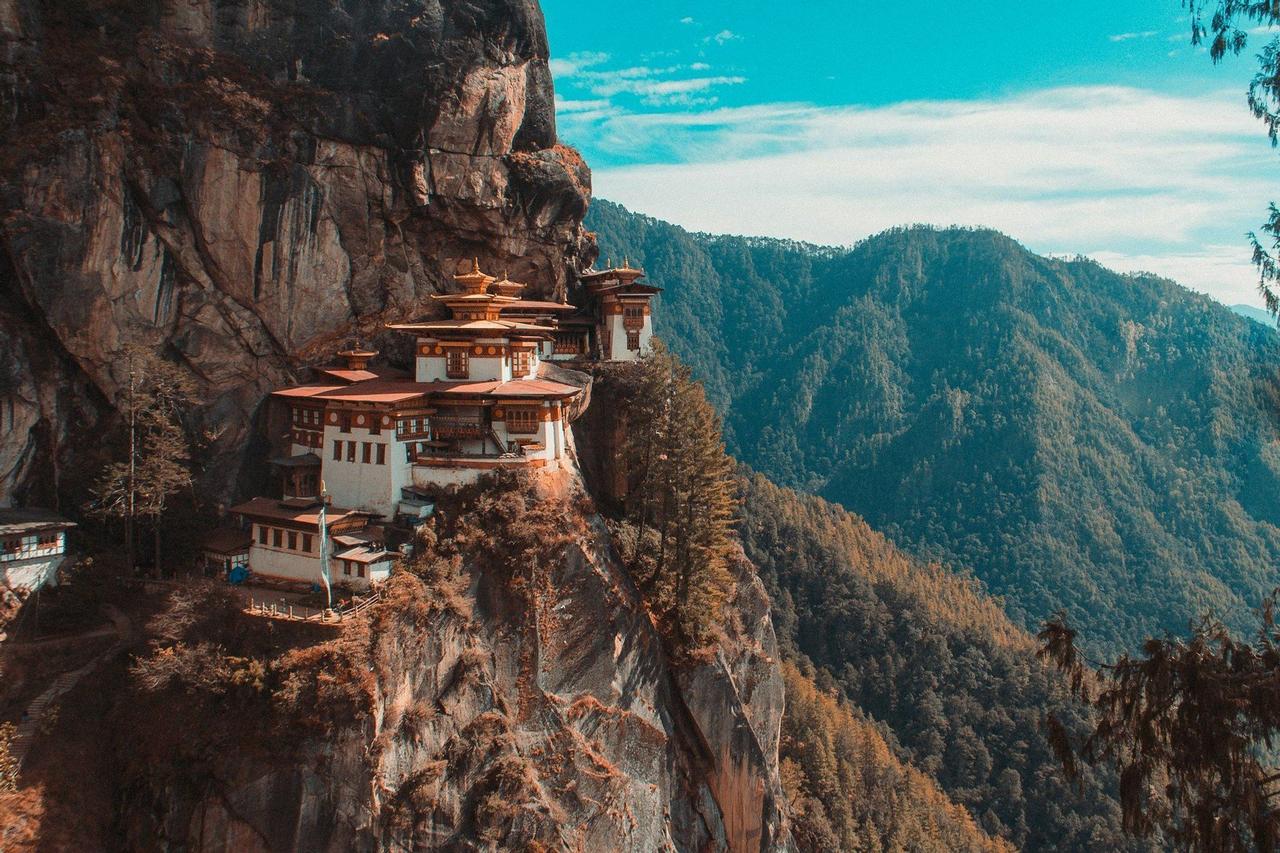
Bhutan is a small Himalayan kingdom between India and Tibet, a country famous for measuring Gross National Happiness, protecting its forests, and requiring international visitors to travel through a daily Sustainable Development Fee. It stands out for fortress-like dzongs, colorful festivals called tsechus, and breathtaking valleys untouched by mass tourism. Trek to Tiger's Nest Monastery above Paro, tour Punakha Dzong at the confluence of two rivers, attend a masked-dance tsechu in Thimphu or Bumthang, hike the Druk Path or Jomolhari Trek, cross Dochu La with its hundred and eight stupas, and meet yak herders in Phobjikha Valley. Try ema datshi, momos, and suja butter tea. Bhutan suits culture travelers, honeymooners, trekkers, and mindful travelers who value depth over speed.

Book with confidence
Book with $ 0
Lock in your spot and only pay once it's confirmed
Free changes
Switch dates or destination within 31 days, at no extra cost
Maximum Flexibility
New Flexible Cancellation! Cancel up to 24hrs before
Pay in installments
Spread the cost over time, interest-free
FAQs about Bhutan
Find out the entry requirements for Bhutan, and, if needed, apply for your visa through our partner Sherpa.
Before traveling, always remember to check the government website of your country of origin for updates on the entry requirements for Bhutan – you wouldn’t want to stay home due to a bureaucratic detail!
- UK residents: review the FCDO Travel Advice.
- US residents: consult the US Department of State Travel Advice.
- Other residents: refer to your government or local consulate's travel advice.
Bhutan is in the Bhutan Time Zone (BTT), which is 6 hours ahead of GMT. This means that if it is 12pm in the UK, it will be 6pm in Bhutan. If it is 12pm Eastern Time in the USA, it will be 11pm in Bhutan. Bhutan does not observe daylight saving time, so the time difference remains consistent throughout the year.
Bhutan uses the Bhutanese Ngultrum (BTN). As of the latest rates:
- 1 GBP equals approximately 101 BTN
- 1 USD equals around 83 BTN
- 1 EUR is about 89 BTN
You can exchange currency at banks, authorized exchange counters, or at the airport in Bhutan.
Tipping in Bhutan isn't obligatory, but it's a nice way to show appreciation for good service. In hotels and restaurants, a tip of around 5 to 10 percent of the bill is generally appreciated. If you're on a guided tour, tipping your guide and driver is customary. You might consider giving around 10 to 15 USD per day for the guide and 5 to 10 USD per day for the driver. Remember that these are just guidelines, and you can tip based on the service you receive and your budget.
Tipping in Bhutan isn't obligatory, but it's a nice way to show appreciation for good service. In hotels and restaurants, a tip of around 5 to 10 percent of the bill is generally appreciated. If you're on a guided tour, tipping your guide and driver is customary. You might consider giving around 10 to 15 USD per day for the guide and 5 to 10 USD per day for the driver. Remember that these are just guidelines, and you can tip based on the service you receive and your budget.
In Bhutan, internet access is improving, but it's not as widespread as in other countries. Wi-Fi is usually available in hotels and cafes in urban areas like Thimphu and Paro, but it can be slow. For more reliable connectivity, especially if you're traveling to rural areas, we suggest you buy a local SIM card. TashiCell and Bhutan Telecom are the main providers. You can purchase a SIM card at the airport or in major towns. Keep in mind that remote areas might have limited coverage.
In Bhutan, the official language is Dzongkha. While English is widely spoken and used for official and educational purposes, here are some useful Dzongkha expressions you might hear or use:
- Hello: Kuzu Zangpo La
- Thank you: Kadrin Che La
- Yes: Ing
- No: Men
- How are you?: Ga Day Bay Zhu Yoe Ga?
These might come in handy while you're exploring this beautiful country!
In Bhutan, the plugs used are type D, F, and G. The voltage is 230V, and the frequency is 50Hz. If you're coming from a country that uses a different plug type, like the UK, USA, or most European countries, it's a good idea to bring a universal adapter to charge your devices.
In Bhutan, the main religion is Vajrayana Buddhism, which plays a significant role in the country's culture and daily life. The Bhutanese observe several important religious holidays and festivals, such as Tsechu, which is celebrated in various regions with traditional dances and rituals. While Bhutan is predominantly Buddhist, there is also a small Hindu minority. If you plan to visit religious sites, we suggest you dress modestly, covering your shoulders and knees to show respect for local customs.
When packing for Bhutan, think about the diverse weather and cultural experiences. Here's a guide on what to include in your backpack:
-
Clothing:
- Light layers for warmer days
- Warm sweaters or fleece for cooler evenings
- Waterproof jacket
- Long pants for monastery visits
-
Shoes:
- Comfortable walking shoes
- Hiking boots for treks
- Sandals for relaxing
-
Accessories and Technology:
- Sunglasses and hat
- Power bank
- Camera or smartphone for photos
- Universal adapter for electrical devices
-
Toiletries and Medication:
- Basic toiletries like toothbrush, toothpaste, and shampoo
- Sunscreen and insect repellent
- Personal medication
- Basic first aid kit with pain relievers and band-aids
Bhutan's terrain and cultural sites require practical and respectful attire, so plan accordingly.
Bhutan's weather varies greatly depending on the region and elevation. Here's a quick breakdown to help you plan:
- Southern Bhutan: Subtropical climate with mild winters and hot, humid summers. Best to visit from November to February when it's cooler and drier.
- Central Bhutan: Temperate climate with warm summers and cool winters. Spring (March to May) and autumn (September to November) are ideal for visiting.
- Northern Bhutan: Alpine climate with severe winters and cool summers. The best time to visit is from October to December when the skies are clear and the weather is crisp.
Overall, spring and autumn are generally the most comfortable times to explore Bhutan, offering pleasant weather and clear views.