Group trips to Mongolia
Our organized trips to Mongolia
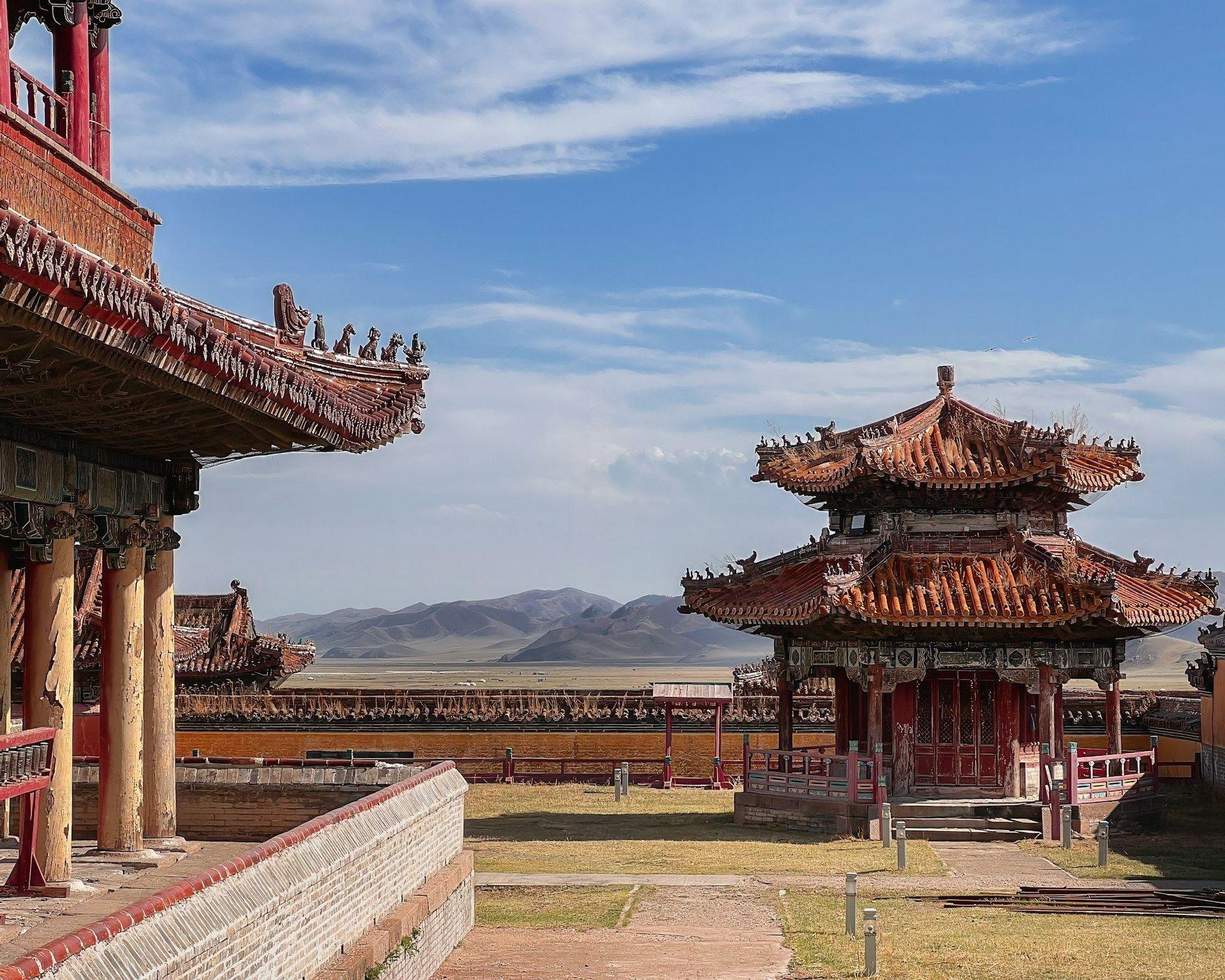
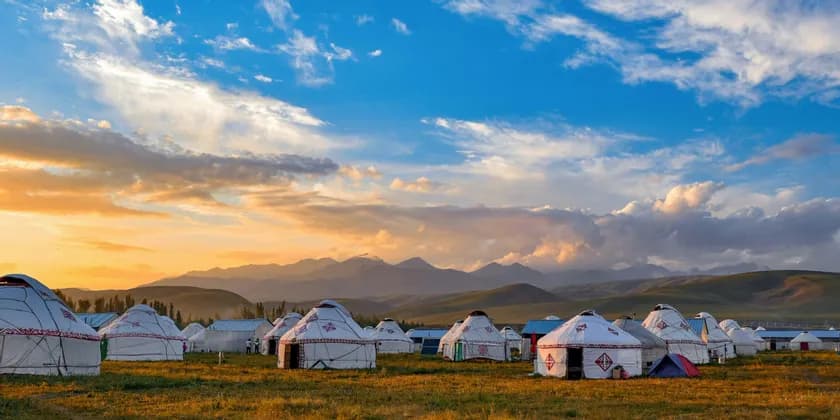
Mongolia is a landlocked Central Asian republic of steppe, desert, and taiga between Russia and China, a country where nomadic herders still outnumber cars across much of the map. It rewards travelers with vast untouched landscapes, enduring horse culture, and some of the clearest night skies on Earth. Ride through the Orkhon Valley and Khovsgol Lake on horseback, sleep in gers with eagle-hunting Kazakh families in Bayan-Olgii, trek the Altai and Khangai Mountains, trace dinosaurs through the Flaming Cliffs of the Gobi, and watch wrestling, archery, and horse racing at Naadam. Explore Ulaanbaatar's Gandan Monastery and the National Museum. Try khuushuur, airag, and boodog. Mongolia suits horseback riders, photographers, birders, and adventurous travelers comfortable with rough roads.
Book with confidence
Book with $ 0
Lock in your spot and only pay once it's confirmed
Free changes
Switch dates or destination within 31 days, at no extra cost
Maximum Flexibility
New Flexible Cancellation! Cancel up to 24hrs before
Pay in installments
Spread the cost over time, interest-free
FAQs about Mongolia
Find out the entry requirements for Mongolia, and, if needed, apply for your visa through our partner Sherpa.
Before traveling, always remember to check the government website of your country of origin for updates on the entry requirements for Mongolia – you wouldn’t want to stay home due to a bureaucratic detail!
- UK residents: review the FCDO Travel Advice.
- US residents: consult the US Department of State Travel Advice.
- Other residents: refer to your government or local consulate's travel advice.
Mongolia follows Mongolia Standard Time, which is 8 hours ahead of GMT. So, if it's 12pm in the UK, it will be 8pm in Mongolia. If you're in the Eastern Time Zone in the USA, 12pm there would be 1am the next day in Mongolia. Mongolia does not observe daylight saving time, so this difference remains consistent throughout the year.
Mongolia uses the Mongolian Tögrög (MNT) as its official currency. The exchange rates can vary, but as a rough guide:
- 1 GBP is approximately 4,200 MNT
- 1 USD is around 3,400 MNT
- 1 EUR is about 3,800 MNT
You can exchange currency at banks, exchange offices, or some hotels in major cities like Ulaanbaatar.
Credit cards and cash are the main methods of payment in Mongolia. Major cities and tourist areas often accept credit cards, but it's a good idea to carry cash for smaller towns and markets. ATMs are available in urban areas for withdrawing the local currency, the Mongolian Tugrik. Remember to inform your bank about your travel plans to avoid any issues with card transactions.
Tipping in Mongolia is not a common practice, but it's becoming more appreciated, especially in urban areas and tourist spots. In restaurants, leaving a 5 to 10 percent tip for good service is generous. In hotels, you might consider tipping porters and housekeeping a small amount. For taxi drivers, rounding up the fare is a nice gesture. Always carry some small bills with you, as it can be handy for these situations.
In Mongolia, Wi-Fi is available in most urban areas, especially in Ulaanbaatar, where you can find it in hotels, cafes, and restaurants. However, if you plan to explore rural areas, Wi-Fi access might be limited. We recommend you buy a local SIM card or an e-SIM data plan for better connectivity on the go.
Popular providers in Mongolia include:
- Mobicom
- Unitel
- G-Mobile
You can purchase SIM cards at the airport or in major cities. This will ensure you stay connected during your travels, especially in areas with less reliable Wi-Fi.
In Mongolia, the official language is Mongolian. It's useful to know some common phrases when traveling:
- Hello: Сайн байна уу (Sain baina uu)
- Thank you: Баярлалаа (Bayarlalaa)
- Yes: Тийм (Tiim)
- No: Үгүй (Ugüi)
- Excuse me/Sorry: Уучлаарай (Uuchlaarai)
These phrases can be handy in everyday interactions!
In Mongolia, you'll find Type C and Type E plugs, similar to those used in many European countries. The voltage is 230 V and the frequency is 50 Hz. If your devices use a different plug type, we suggest bringing a universal adapter to ensure compatibility. This way, you can keep all your gadgets charged and ready during your travels.
The main religion in Mongolia is Tibetan Buddhism, which is practiced by a majority of the population. There are also smaller communities of Muslims, primarily among the Kazakh ethnic group, as well as Christians and practitioners of traditional Mongolian shamanism.
Important religious holidays include:
- Tsagaan Sar, the Mongolian Lunar New Year
- Naadam, which is both a cultural and religious festival
Remember to respect local customs and traditions when visiting religious sites.
When packing for Mongolia, it's important to prepare for its diverse climates and terrains. Here's a handy list of what to put in your backpack:
-
Clothing:
- Warm layers like thermal shirts and a fleece jacket
- Lightweight, breathable shirts for daytime
- A waterproof jacket
- Comfortable pants and shorts
-
Shoes:
- Sturdy hiking boots
- Comfortable sneakers
- Flip-flops for relaxing
-
Accessories and Technology:
- A hat and sunglasses
- A power bank
- A camera or smartphone for photos
- Universal travel adapter
-
Toiletries and Medication:
- Basic toiletries like toothbrush, toothpaste, and deodorant
- Sunscreen and lip balm
- Insect repellent
- Basic medication such as pain relievers, antihistamines, and motion sickness tablets
Mongolia's climate can be extreme, so ensure you're well-prepared for both warm days and chilly nights.
Mongolia has a diverse climate, depending on the region, with significant temperature variations.
- Ulaanbaatar and Central Mongolia: Winters are extremely cold, with temperatures dropping to -30°C. Summers are mild, averaging 20°C. Best time to visit is from June to September.
- Gobi Desert: Hot in summer, with temperatures reaching 40°C, and cold winters, around -20°C. Late spring and early autumn are ideal for visiting.
- Northern Mongolia: Cold winters and cool summers, with a lot of rainfall in July and August. Best time to visit is late spring to early autumn.
The best time overall to visit Mongolia is between June and September, when the weather is most favorable for travel.