Group trips to Saudi Arabia
Our organized trips to Saudi Arabia
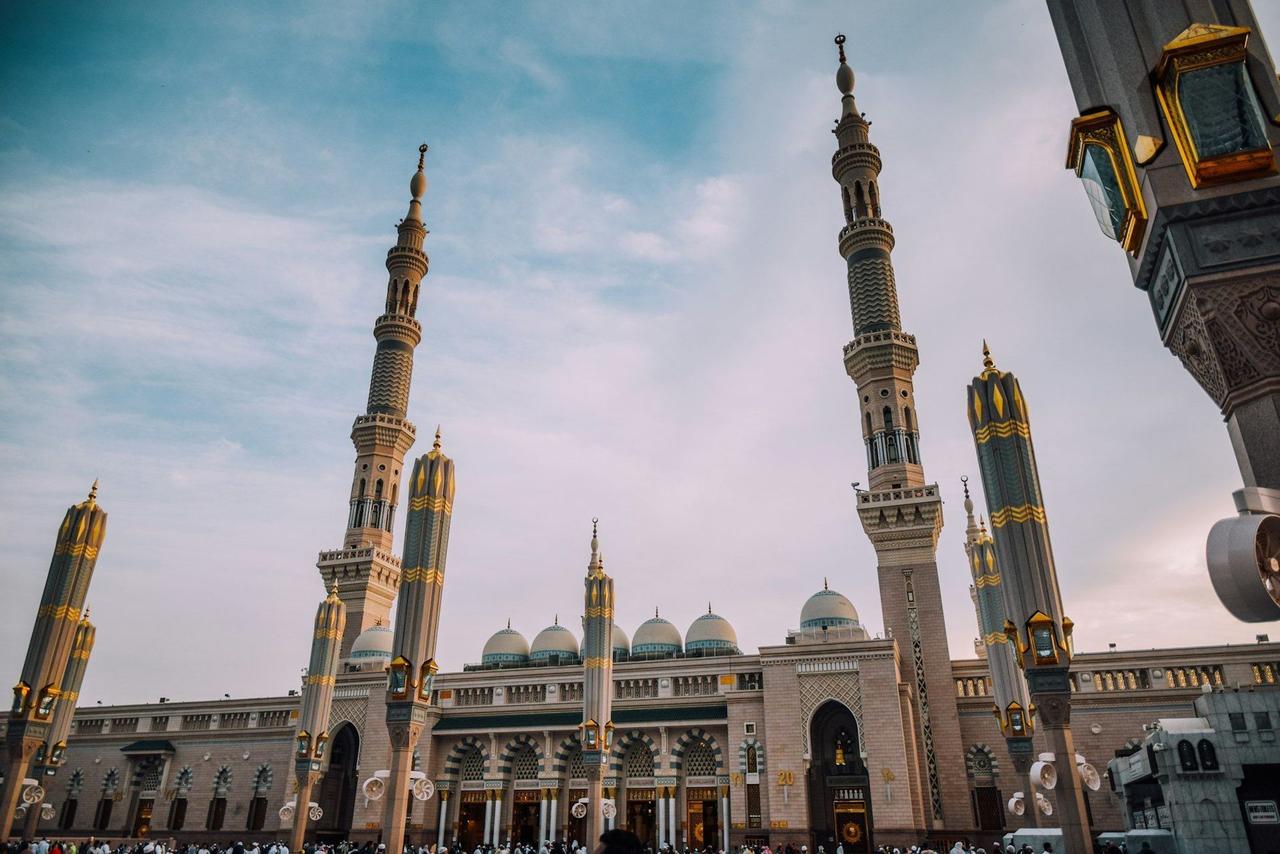
Saudi Arabia is a vast desert kingdom occupying most of the Arabian Peninsula, a country that has only recently opened widely to tourism after decades of limited access. It rewards travelers with dramatic red-rock deserts, Nabatean ruins rivaling Petra, a long Red Sea coast, and rapidly modernizing cities. Wander the tombs of Hegra in AlUla, roam Jeddah's UNESCO-listed old town of Al-Balad, hike the terraced villages of Rijal Almaa, dive the coral walls near Yanbu, attend a desert camp in the Empty Quarter, and visit the Edge of the World escarpment near Riyadh. Non-Muslims cannot enter Mecca or Medina but can experience Taif's rose farms and Najran's mud forts. It suits adventurous travelers, archaeology enthusiasts, divers, and curious first-timers to the Gulf.

Book with confidence
Book with $ 0
Lock in your spot and only pay once it's confirmed
Free changes
Switch dates or destination within 31 days, at no extra cost
Maximum Flexibility
New Flexible Cancellation! Cancel up to 24hrs before
Pay in installments
Spread the cost over time, interest-free
FAQs about Saudi Arabia
Find out the entry requirements for Saudi Arabia, and, if needed, apply for your visa through our partner Sherpa.
Before traveling, always remember to check the government website of your country of origin for updates on the entry requirements for Saudi Arabia – you wouldn’t want to stay home due to a bureaucratic detail!
- UK residents: review the FCDO Travel Advice.
- US residents: consult the US Department of State Travel Advice.
- Other residents: refer to your government or local consulate's travel advice.
Saudi Arabia is in the Arabian Standard Time zone, which is UTC plus 3 hours. The country does not observe daylight saving time. If it is 12pm in the UK, it will be 3pm in Saudi Arabia, and if it is 12pm in New York, USA, it will be 8pm in Saudi Arabia.
The currency used in Saudi Arabia is the Saudi Riyal (SAR). As of the latest exchange rates:
- 1 GBP is approximately 4.6 SAR
- 1 USD is around 3.75 SAR
- 1 EUR is about 4 SAR
You can exchange currency at banks, currency exchange offices, and major airports throughout the country. Always check the current rates before you exchange your money, as they can fluctuate.
Credit cards, debit cards, and cash are widely accepted in Saudi Arabia. Major credit cards like Visa and MasterCard can be used at most hotels, restaurants, and shops. Mobile payments like Apple Pay and Google Pay are also gaining popularity. For small purchases or in markets, having some cash in Saudi Riyals can be handy. ATMs are readily available for withdrawing cash. Always notify your bank before traveling to avoid any issues with card transactions abroad.
Tipping in Saudi Arabia is not mandatory, but it's appreciated. In restaurants, leaving a tip of around 10% of the bill is common if the service was good. For hotel staff, a small tip for bellboys or housekeeping is a nice gesture. Taxi drivers usually do not expect tips, but rounding up the fare is a friendly practice. Keep in mind that tipping is a way to show gratitude for excellent service, so feel free to tip based on your experience.
In Saudi Arabia, you will find that Wi-Fi is widely available in hotels, cafes, and restaurants, but the quality can vary. If you want consistent internet access while exploring, buying a local SIM card or an e-SIM data plan is a good idea. Major providers like STC, Mobily, and Zain offer various options. SIM cards are easy to purchase at the airport or in mobile shops across cities. Remember to bring your passport for registration. Having a local SIM will give you more reliable internet access for maps, communication, and other online needs during your stay.
In Saudi Arabia, the official language is Arabic. If you're traveling there, here are some useful colloquial expressions you might hear or use:
- Hello: Marhaba
- Thank you: Shukran
- Yes: Na'am
- No: La
- Please: Min fadlak (to a male), Min fadlik (to a female)
These phrases will help you navigate daily interactions and show respect for the local culture.
In Saudi Arabia, the plugs used are Type G, which is the same as those used in the UK, and Type A and B, which are similar to those used in the USA. The voltage is 230V with a frequency of 60Hz. If you're traveling from Europe, the UK, or the USA, we suggest you bring a universal adapter to ensure your devices can be charged without issues.
The main religion in Saudi Arabia is Islam, and it plays a significant role in daily life and culture. The country is home to two of Islam's holiest cities, Mecca and Medina. If you're visiting, it's important to be respectful of local customs and religious practices.
For women, wearing modest clothing like long dresses or skirts and covering their hair with a scarf is required. Men should avoid wearing shorts in public.
Key religious holidays include:
- Ramadan, a holy month of fasting
- Eid al-Fitr, which marks the end of Ramadan
- Eid al-Adha, another important holiday coinciding with the Hajj pilgrimage
For your trip to Saudi Arabia, you'll want to pack thoughtfully given the cultural and climate considerations. Here's a handy list to help you prepare your backpack:
-
Clothing:
- Lightweight long-sleeve shirts
- Long pants or skirts
- A light jacket or sweater for cooler evenings
- Modest swimwear for private beaches or pools
-
Shoes:
- Comfortable walking shoes
- Sandals for the beach or pool
- Dress shoes for formal occasions
-
Accessories and Technology:
- Sunglasses and a sun hat
- Universal adapter
- Portable charger
- Camera or smartphone
-
Toiletries and Medication:
- Sunscreen and moisturizer
- Personal hygiene items
- Basic first-aid kit
- Common travel medication like pain relievers, antacids, and anti-diarrheal tablets
Remember, dressing modestly is important, especially for women. Long sleeves and covered legs are recommended in public spaces.
Saudi Arabia's weather varies significantly across the region:
- Riyadh (Central): Hot desert climate, with extremely hot summers (up to 45°C) and mild winters. Best time to visit is October to March when temperatures are more bearable.
- Jeddah (Western Coast): More humid due to the Red Sea, with warm winters and very hot summers. October to March is also ideal for visiting.
- Tabuk (Northwest): Cooler than the other regions, with a chance of snow in winter. Ideal travel time is the spring or fall.
- Asir Mountains (Southwest): Cooler and wetter, especially during the summer monsoon season. Visit in spring or fall for pleasant weather.
Overall, the best time to visit Saudi Arabia is between October and March when the weather is cooler and more comfortable.