Group trips to Falkland Islands
Our organized trips to the Falkland Islands
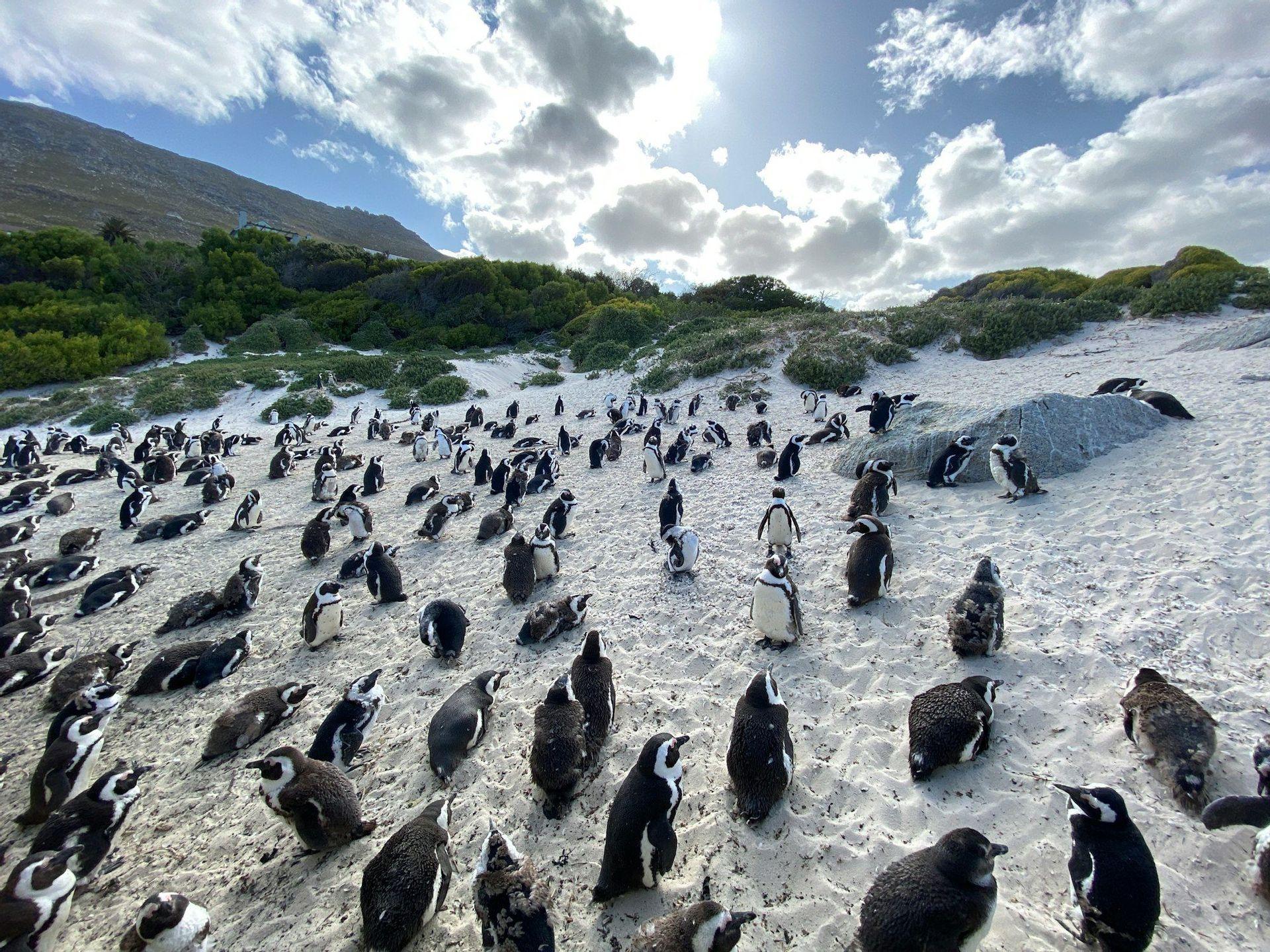
Beyond expectation, the Falkland Islands present a dazzling tapestry of life in the South Atlantic, a pristine sanctuary of untouched nature and distinctive island charm. From the colourful capital of Stanley, where Victorian architecture meets a vibrant maritime spirit, to the breathtaking shores of Volunteer Point, home to thousands of magnificent King Penguins, every vista promises wonder. Here, explorers and wildlife enthusiasts discover a world where majestic albatrosses soar and playful seals frolic, inviting those with a passion for unparalleled natural beauty and genuine adventure to be truly enchanted.

Book with confidence
Book with $ 0
Lock in your spot and only pay once it's confirmed
Free changes
Switch dates or destination within 31 days, at no extra cost
Maximum Flexibility
New Flexible Cancellation! Cancel up to 24hrs before
Pay in installments
Spread the cost over time, interest-free
FAQs about the Falkland Islands
Find out the entry requirements for Falkland Islands (the) [Malvinas], and, if needed, apply for your visa through our partner Sherpa.
Before traveling, always remember to check the government website of your country of origin for updates on the entry requirements for Falkland Islands (the) [Malvinas] – you wouldn’t want to stay home due to a bureaucratic detail!
- UK residents: review the FCDO Travel Advice.
- US residents: consult the US Department of State Travel Advice.
- Other residents: refer to your government or local consulate's travel advice.
The Falkland Islands operate on Falkland Islands Time (FKT), which is 4 hours behind Coordinated Universal Time (UTC-4). They do not observe daylight saving time.
If it is 12pm in the UK, it will be 8am in the Falkland Islands. If it is 12pm in New York, USA, it will be 11am in the Falkland Islands. Keep this in mind when planning your activities or making calls.
The currency used in the Falkland Islands is the Falkland Islands pound (FKP). The exchange rate is typically:
- 1 GBP = 1 FKP
- 1 USD = 0.76 FKP
- 1 EUR = 0.87 FKP
Though rates can vary daily, you can exchange currency at the local bank in Stanley or at the airport.
Credit cards, especially Visa and MasterCard, are widely accepted in the Falkland Islands. However, it's a good idea to have some cash on hand for smaller businesses or remote areas. ATMs are available in the capital, Stanley, for withdrawing cash. Always check with your bank about any foreign transaction fees before you travel.
Tipping in the Falkland Islands is not compulsory, but it is appreciated. In restaurants and bars, you might consider leaving around 10 percent if you received good service. For taxi drivers, rounding up the fare is a nice gesture. Hotel staff, like porters, might appreciate a small tip for their help. Remember, tipping is a way to show gratitude for good service, but it’s not expected.
In the Falkland Islands, the internet can be a bit slow and pricey compared to what you might be used to. Wi-Fi is available in some hotels, guesthouses, and public places, but it might not always be free or fast.
Since the Falklands are not in Europe or the Schengen area, consider buying a local SIM card or an e-SIM data plan for better connectivity. You can check out providers like Sure Falkland Islands for mobile data plans. If you plan on staying connected, getting a local SIM is a good idea.
In the Falkland Islands, the primary language spoken is English. However, you might come across some unique local expressions and terms that give the islands their distinct charm. Here are a few you might hear:
- Tea: A colloquial way of referring to dinner or supper.
- Camp: Refers to the countryside areas outside of the main towns.
- The Islands: A term used by locals to refer to the Falkland Islands themselves.
While English is widely spoken, these local terms can make your experience a bit more interesting.
In the Falkland Islands, you'll find the electricity supply is 240 volts at 50 hertz, and the plugs used are Type G, which are the same as those in the UK. If you're traveling from the USA or other European countries using different plug types, we suggest bringing a universal adapter to ensure you can charge all your devices without any issues.
The main religion in the Falkland Islands is Christianity, with the majority of the population identifying as Anglican, followed by Roman Catholicism and other Christian denominations. The islands observe Christian holidays such as Christmas and Easter, which are celebrated with services and community gatherings. There are no specific dressing requirements related to religion on the islands, so you can dress comfortably and respectfully.
Heading to the Falkland Islands? Here's a handy list for your backpack to make sure you're well-prepared:
Clothing:
- Warm layers, including sweaters and thermal tops
- Waterproof and windproof jacket
- T-shirts and long-sleeved shirts
- Comfortable pants and shorts for layering
- Hat, gloves, and scarf
Shoes:
- Sturdy hiking boots
- Sneakers for casual wear
- Waterproof shoes or boots
Accessories and Technology:
- Binoculars for wildlife watching
- Camera with extra memory cards
- Power bank and charging cables
- Universal adapter
Toiletries and Medication:
- Travel-sized toiletries
- Sunscreen and lip balm with SPF
- Basic first-aid kit
- Motion sickness tablets and pain relievers
The weather can be unpredictable, so it's wise to pack versatile clothing. Enjoy exploring the islands' stunning landscapes and abundant wildlife!
The weather in the Falkland Islands can be quite variable, so it's wise to prepare for a mix of conditions. Here's a quick breakdown:
- Summer (December to February): Mild and best time to visit, with average temperatures around 10-15°C (50-59°F).
- Autumn (March to May): Cooler, with temperatures dropping to 5-10°C (41-50°F).
- Winter (June to August): Coldest months, temperatures can range from 0-5°C (32-41°F) with occasional snow.
- Spring (September to November): Slightly warmer, with temperatures rising back to 5-10°C (41-50°F).
The best time to visit is during the summer months for milder weather and longer daylight hours. Always be ready for sudden rain showers and strong winds throughout the year.