Group trips to Saint Lucia
Our organized trips to Saint Lucia
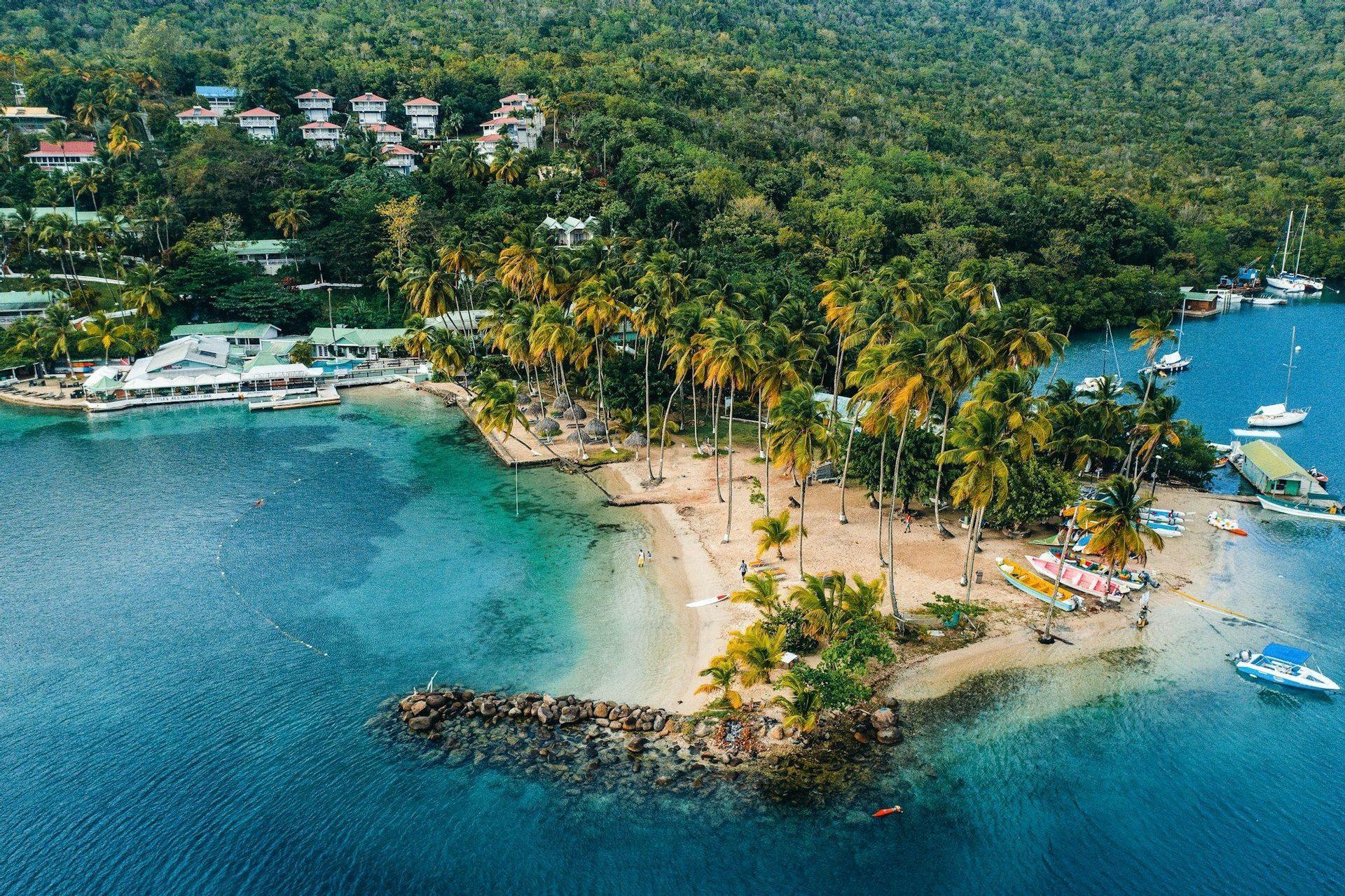
Beyond the postcards dominated by its iconic twin peaks, Saint Lucia unfurls an island tapestry of unexpected enchantment, a place where lush volcanic landscapes meet the shimmering Caribbean Sea. This vibrant jewel of the Caribbean isn't just a destination of breathtaking beauty, but a canvas for profound connection and exhilarating discovery, appealing to dreamers and explorers alike. Venture through the majestic UNESCO World Heritage Pitons that dramatically soar from the ocean, immerse yourself in the rejuvenating warmth of the Sulphur Springs' therapeutic mud baths, or simply unwind in the serene, yacht-dotted embrace of Marigot Bay. From its emerald rainforests teeming with life to its golden, sun-drenched beaches, Saint Lucia promises an escape where every moment is a treasured discovery, inviting you to surrender to its unparalleled charm.

Book with confidence
Book with $ 0
Lock in your spot and only pay once it's confirmed
Free changes
Switch dates or destination within 31 days, at no extra cost
Maximum Flexibility
New Flexible Cancellation! Cancel up to 24hrs before
Pay in installments
Spread the cost over time, interest-free
FAQs about Saint Lucia
Find out the entry requirements for Saint Lucia, and, if needed, apply for your visa through our partner Sherpa.
Before traveling, always remember to check the government website of your country of origin for updates on the entry requirements for Saint Lucia – you wouldn’t want to stay home due to a bureaucratic detail!
- UK residents: review the FCDO Travel Advice.
- US residents: consult the US Department of State Travel Advice.
- Other residents: refer to your government or local consulate's travel advice.
Saint Lucia is in the Atlantic Standard Time (AST) zone, which is 4 hours behind Coordinated Universal Time (UTC-4). Saint Lucia does not observe daylight saving time.
So, if it's 12pm in the UK, it will be 8am in Saint Lucia. If it's 12pm in New York, USA (Eastern Time), it will be 12pm in Saint Lucia as well. If you're traveling from Los Angeles, USA (Pacific Time), and it's 12pm there, it will be 3pm in Saint Lucia.
Saint Lucia uses the Eastern Caribbean Dollar (XCD) as its currency. The daily exchange rate is approximately:
- 1 GBP to 3.68 XCD
- 1 USD to 2.70 XCD
- 1 EUR to 2.94 XCD
You can exchange currency at banks, exchange bureaus, or some hotels on the island.
In Saint Lucia, you can pay using credit cards, which are widely accepted in hotels, restaurants, and larger shops. However, it's a good idea to carry some cash for smaller vendors or in more remote areas. ATMs are available, and you can withdraw local currency with your card. Always check with your bank for any international transaction fees that might apply. Travelers checks can be cashed at banks but might not be accepted everywhere.
Tipping in Saint Lucia is appreciated but not mandatory. In restaurants, a service charge of around 10 percent is often included in the bill, so check before adding extra. If it's not included, you might consider tipping 10 to 15 percent for good service. For taxi drivers, rounding up the fare or adding a small tip is common. Hotel staff, like porters or housekeeping, usually appreciate a few dollars for their service. Remember, tipping is entirely at your discretion based on the service you receive.
In Saint Lucia, Wi-Fi is widely available, especially in hotels, cafes, and restaurants, so you can easily connect in most tourist spots. However, if you need reliable internet while exploring more remote areas, we suggest you buy a local SIM card or an e-SIM data plan. Providers like Digicel and Flow offer various prepaid options. You can purchase a SIM card at the airport or in local stores. This ensures you stay connected wherever you are on the island.
In Saint Lucia, the official language is English, so you'll have no problem communicating. However, you'll also encounter Saint Lucian Creole French, a French-based creole language widely spoken by locals. Here are some useful expressions you might hear or use:
- Hello: Bonjou
- How are you?: Sa ka fèt?
- Thank you: Mèsi
- Please: Souplé
- Yes: Wi
- No: Non
Knowing a few of these phrases can make your interactions even more enjoyable!
In Saint Lucia, the plugs used are types G and C. The voltage is 240 V, and the frequency is 50 Hz. Since type G is the same as used in the UK, travelers from the UK won't need an adapter, but if you're coming from the USA or other European countries, we suggest you bring a universal adapter to ensure your devices can be plugged in without any issues.
In Saint Lucia, the main religion is Christianity, with the majority of the population being Roman Catholic. While visiting, you might notice that religious holidays such as Christmas and Easter are widely celebrated. Many locals attend church services, and you may hear church bells ringing on Sundays. It's common for locals to greet each other with Good morning or Good afternoon, and it's polite to reciprocate.
When packing for Saint Lucia, you'll want to be prepared for a tropical climate. Here's a handy list to help you plan:
Clothing:
- Light, breathable shirts
- Shorts and skirts
- Swimsuits
- Light sweater or jacket for cooler evenings
Shoes:
- Comfortable walking sandals
- Flip-flops for the beach
- Water shoes for hiking or water activities
Accessories and technology:
- Sunglasses
- Sun hat or cap
- Waterproof phone case
- Portable charger
Toiletries and medication:
- Sunscreen with high SPF
- Insect repellent
- Personal hygiene items
- Basic first aid kit
- Common travel medications like pain relievers and motion sickness tablets
Saint Lucia's warm climate calls for casual and light clothing, so keep it simple and enjoy your time in the sun!
Saint Lucia has a tropical climate with warm temperatures year-round. Here’s a quick overview of the weather:
- Coastal Areas: Expect temperatures around 25-30°C (77-86°F) with a cool breeze making it comfortable.
- Rainy Season: From June to November, you might experience more rain, especially in the mountains.
- Dry Season: December to May is generally drier and sunnier, considered the best time to visit.
- Hurricane Season: June to November, keep an eye on weather forecasts as hurricanes can occur.
Remember, the weather can vary slightly between the coast and the mountainous regions, so pack accordingly.