Group trips to Curaçao
Our organized trips to Curaçao
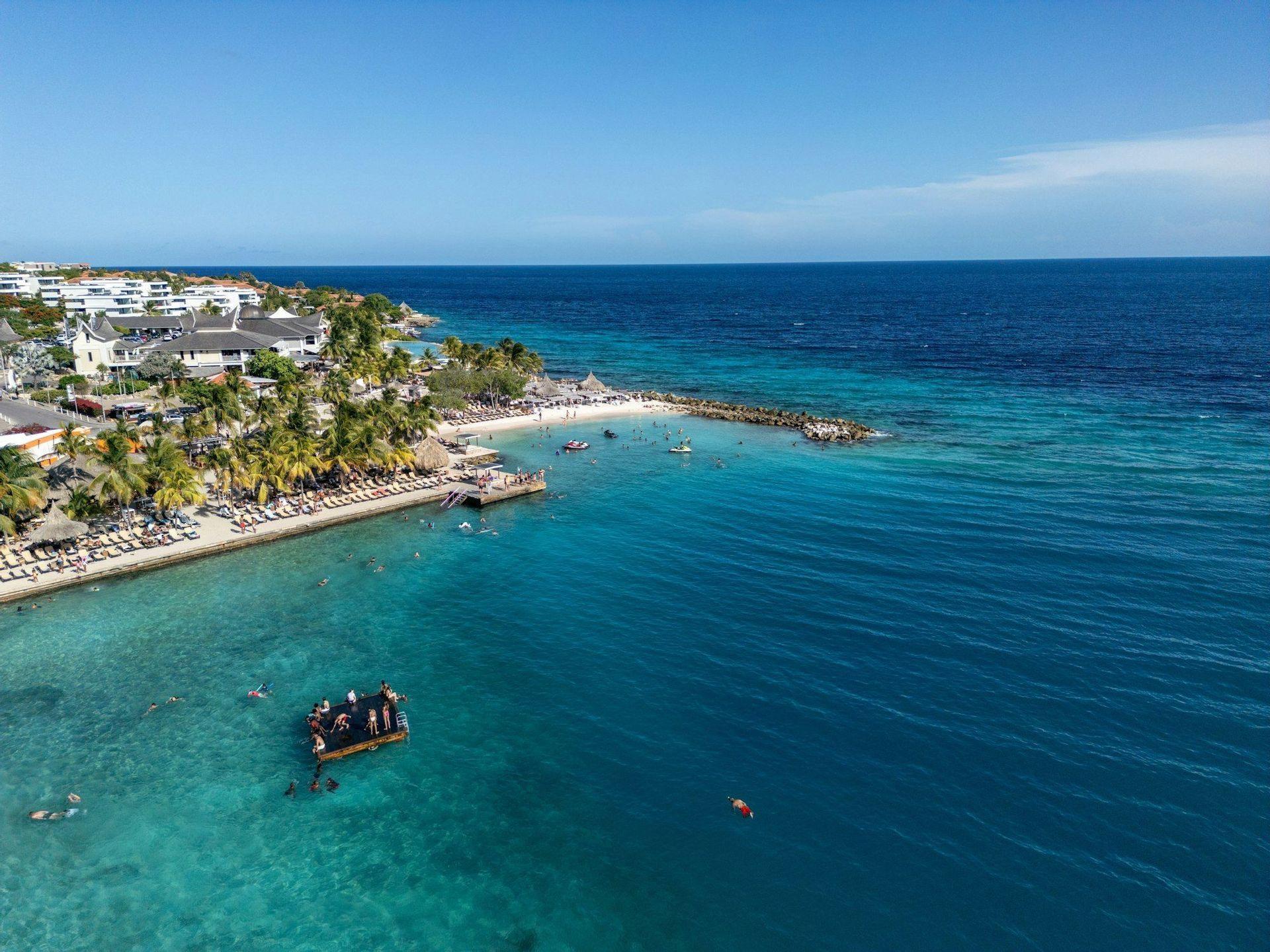
Imagine a Caribbean gem where European charm meets tropical vibrancy: Curaçao is an extraordinary island, a captivating blend of Dutch heritage and sun-kissed allure, offering both pristine natural beauty and rich cultural depths. From the iconic, pastel-painted streets of UNESCO World Heritage Willemstad, bustling with vibrant markets and charming cafes, to the breathtaking underwater worlds brimming with life off Playa Kenepa, perfect for divers and snorkelers, and the dramatic landscapes of Christoffel National Park, inviting hikers to explore its peaks and panoramas, Curaçao calls to discerning explorers and culture enthusiasts eager to uncover its unique, unforgettable magic.


FAQs about Curaçao
Find out the entry requirements for Curaçao, and, if needed, apply for your visa through our partner Sherpa.
Before traveling, always remember to check the government website of your country of origin for updates on the entry requirements for Curaçao – you wouldn’t want to stay home due to a bureaucratic detail!
- UK residents: review the FCDO Travel Advice.
- US residents: consult the US Department of State Travel Advice.
- Other residents: refer to your government or local consulate's travel advice.
Curaçao is in the Atlantic Standard Time (AST) zone, which is 4 hours behind Coordinated Universal Time (UTC-4). Curaçao doesn't observe daylight saving time. If it's 12pm in the UK, it will be 8am in Curaçao. If it's 12pm in New York, USA, it will be 12pm in Curaçao as well. Keep this in mind when planning your activities or calls.
In Curaçao, the currency used is the Netherlands Antillean Guilder (ANG). To give you an idea of the exchange rates:
- 1 GBP is approximately 2.44 ANG
- 1 USD is about 1.80 ANG
- 1 EUR is roughly 1.98 ANG
You can exchange currency at banks, exchange offices, and some hotels on the island.
Credit cards are widely accepted in Curaçao, especially in hotels, restaurants, and larger shops. Visa and MasterCard are the most commonly used. You can also use cash for smaller purchases or in markets, and there's an ample number of ATMs available where you can withdraw local currency. It's always a good idea to inform your bank about your travel plans to avoid any issues with card transactions abroad.
In Curaçao, tipping is appreciated but not mandatory. At restaurants, it's common to leave a tip of around 10 to 15 percent if service is not included in the bill. For taxi drivers, rounding up the fare is a nice gesture. Hotel staff, like porters and housekeeping, appreciate small tips for their services too. You can tip in the local currency, the Netherlands Antillean Guilder, or in US dollars, as both are widely accepted.
In Curaçao, internet access is generally reliable, but coverage can vary in rural areas. Wi-Fi is commonly available in hotels, cafes, and restaurants, so you can stay connected in most tourist spots. However, for more constant access, buying a local SIM card or an e-SIM data plan is a smart move. Providers like Digicel and UTS offer good options. This way, you'll have internet on the go without relying solely on Wi-Fi networks.
In Curaçao, people generally speak Papiamento, Dutch, and English, with Papiamento being the most commonly used in daily life. Here are some useful Papiamento expressions you might hear or use:
- Hello: Bon dia
- Thank you: Danki
- How are you?: Kon ta bai?
- Please: Por fabor
- Goodbye: Ayo
These phrases can help you navigate conversations and connect with locals during your visit.
In Curaçao, they use Type A and Type B plugs, which are the same as in the US. The voltage is 127V, and the frequency is 50Hz. If your devices are not compatible with this plug type or voltage, we recommend bringing a universal adapter and a voltage converter to ensure your devices work properly.
The main religion in Curaçao is Christianity, with Roman Catholicism being the most widely practiced denomination. While Catholic traditions and holidays play a significant role in cultural events, there's also a presence of Protestantism and other faiths. It's a diverse and multicultural island, so you'll find a mix of religious practices. While there are no specific dress requirements related to religion, when visiting churches or religious sites, modest attire is appreciated. Catholic holidays such as Easter and Christmas are widely celebrated with local traditions.
Curaçao is a tropical paradise, so pack wisely for sunny days and breezy nights. Here's a handy list for your backpack:
Clothing:
- Lightweight t-shirts
- Shorts
- Swimwear
- Light jacket or sweater for cooler evenings
- Casual evening wear for dining out
Shoes:
- Comfortable walking sandals
- Flip-flops for the beach
- Dress shoes for nicer outings
Accessories and Technology:
- Sunglasses
- Sunhat or cap
- Snorkel gear if you plan to explore underwater
- Waterproof phone case
- Camera for capturing memories
Toiletries and Medication:
- Sunscreen with high SPF
- Insect repellent
- Travel-size toiletries
- Basic first aid kit
- Motion sickness tablets if you're prone to seasickness
Curaçao's warm climate means light and breathable clothes are your best bet. Enjoy the island vibe!
Curaçao enjoys a tropical climate with warm temperatures year-round. Here’s a quick breakdown:
- Dry Season (January to September): Expect mostly sunny days with little rain. Temperatures range from 26°C to 31°C (79°F to 88°F).
- Rainy Season (October to December): More rainfall, especially in November, but still plenty of sunshine. Temperatures remain warm, around 25°C to 30°C (77°F to 86°F).
The best time to visit Curaçao is during the dry season when you can enjoy sunny beaches and outdoor activities.