Group trips to the Bahamas
Our organized trips to The Bahamas
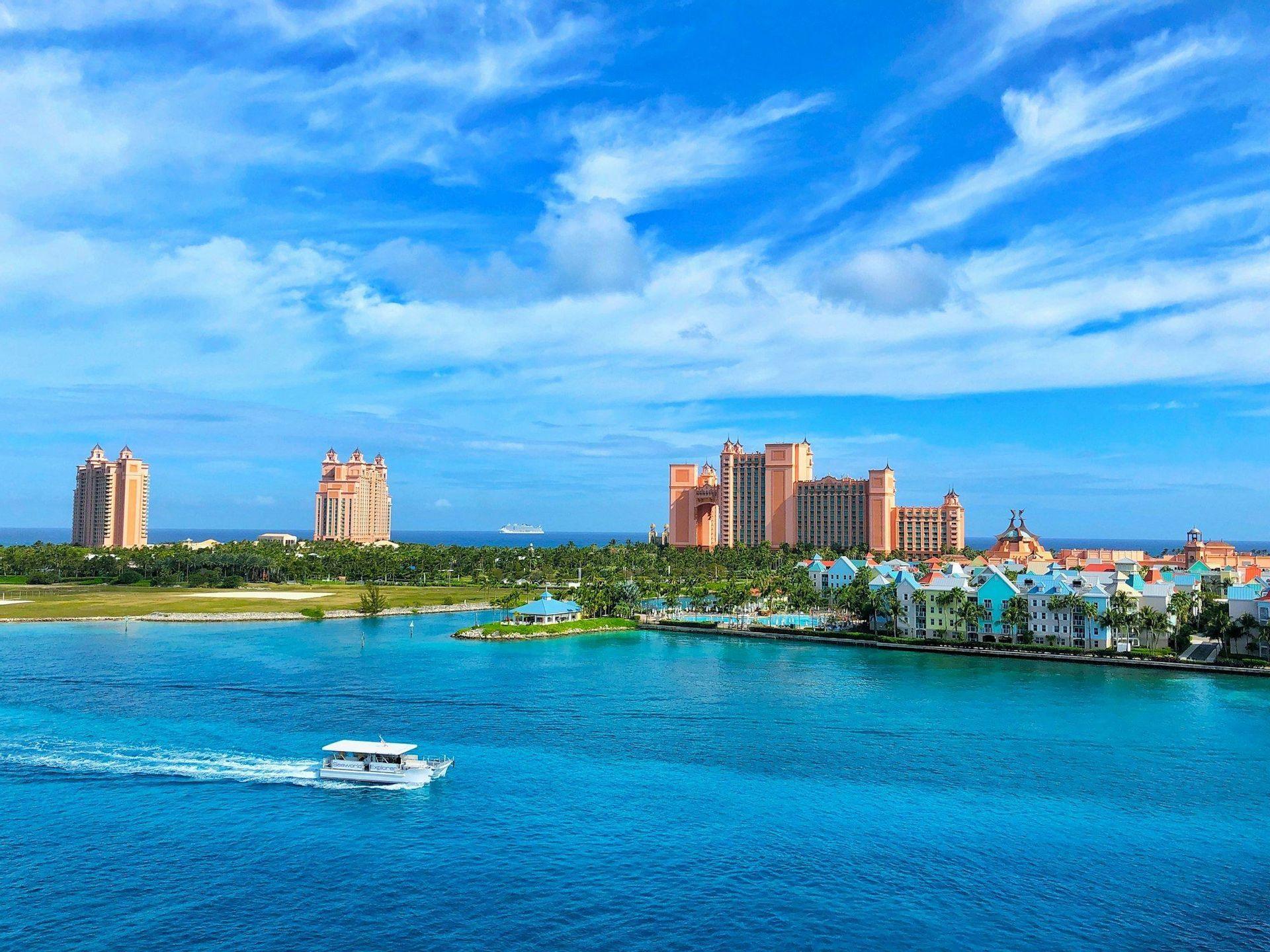
With over 700 sun-kissed islands, The Bahamas is far more than just turquoise waters; it's a vibrant tapestry woven with unrivaled natural beauty and exuberant island culture. From the bustling colonial charm of Nassau, alive with history and rhythmic Junkanoo beats, to the untouched aquatic wonders of the Exuma Cays Land and Sea Park, where iridescent marine life thrives in crystalline waters, and the unique allure of Harbour Island's Pink Sands Beach, this archipelago captivates discerning explorers and dreamers of endless horizons, inviting them to discover an authentic paradise where every moment shimmers with pure joy.


FAQs about the Bahamas
Find out the entry requirements for Bahamas (the), and, if needed, apply for your visa through our partner Sherpa.
Before traveling, always remember to check the government website of your country of origin for updates on the entry requirements for Bahamas (the) – you wouldn’t want to stay home due to a bureaucratic detail!
- UK residents: review the FCDO Travel Advice.
- US residents: consult the US Department of State Travel Advice.
- Other residents: refer to your government or local consulate's travel advice.
The Bahamas is in the Eastern Standard Time (EST) zone, which is 5 hours behind the UK. So, if it is 12pm in the UK, it will be 7am in the Bahamas. When it comes to the USA, it matches the Eastern Time, so if it is 12pm in New York, it will also be 12pm in the Bahamas. The Bahamas observes daylight saving time, so remember to check if it's currently in effect during your visit.
The currency used in the Bahamas is the Bahamian Dollar (BSD). The exchange rate is typically:
- 1 GBP = 1.25 BSD
- 1 USD = 1 BSD
- 1 EUR = 1.10 BSD
It's always a good idea to check for the latest rates before you go. You can exchange currency at banks, airports, and some hotels.
Credit cards, debit cards, and cash are widely accepted in the Bahamas. Major credit cards like Visa, MasterCard, and American Express can be used in most hotels, restaurants, and shops. It is a good idea to carry some cash for smaller vendors or street markets that might not accept cards. ATMs are available in urban areas, and you can withdraw Bahamian dollars directly. When using cards, check if your bank charges international transaction fees.
In the Bahamas, tipping is generally expected and appreciated. For restaurants, a tip of around 15 to 20 percent of the total bill is common. If you're at a bar, tipping a dollar or two per drink is the norm. For hotel staff, such as bellhops or housekeeping, a couple of dollars per service is appreciated. Remember that some restaurants might automatically include a gratuity charge, so be sure to check your bill. Tipping taxi drivers is also customary, usually rounding up to the nearest dollar or adding about 10 percent.
In the Bahamas, Wi-Fi is widely available in hotels, cafes, and resorts, but speeds can vary, especially on smaller islands. If you need reliable internet on the go, buying a local SIM card or e-SIM data plan is a good idea. Major providers include Aliv and BTC, offering various plans to suit your needs. You can purchase these SIM cards at the airport or at local stores. Keep in mind that the Bahamas isn't in the Schengen area, so roaming might not be an option.
In the Bahamas, the official language is English. However, you might also hear a local dialect known as Bahamian Creole. Here are some useful expressions you might come across:
- Hello: What da wybe is? (What's up?)
- Goodbye: Later
- Thank you: Tanks
- Yes: Yeah man
- No: Nah
These colloquial terms can add a fun touch to your conversations with locals!
In the Bahamas, the plugs are Type A and Type B, similar to those used in the USA. The voltage is 120V, and the frequency is 60Hz. If your devices use a different plug type, such as those from Europe or the UK, we recommend you bring a universal adapter to ensure compatibility. This will help you keep your devices charged and ready during your trip.
In the Bahamas, the main religion is Christianity, with a significant number of people identifying as Baptists, Anglicans, and Catholics. Religious practices are an important part of daily life, and you'll find many churches throughout the islands. If you're visiting during Easter or Christmas, you can expect lively celebrations and church services. There are no specific dressing requirements related to religion, but when visiting churches, it is respectful to dress modestly.
Packing for the Bahamas can be a breeze if you know what to take. Here's a handy list to help you get your backpack ready for your tropical adventure.
-
Clothing:
- Lightweight t-shirts
- Shorts
- Swimwear
- Lightweight dress or cover-up
- Light jacket or sweater for cooler evenings
-
Shoes:
- Flip-flops or sandals
- Comfortable walking shoes
- Water shoes for rocky beaches
-
Accessories and Technology:
- Sunglasses
- Hat or cap
- Waterproof phone case
- Power bank
- Camera or smartphone for snaps
-
Toiletries and Medication:
- Sunscreen
- Insect repellent
- Travel-sized shampoo and conditioner
- Basic first aid kit
- Over-the-counter medication like pain relievers and allergy tablets
This list should keep you comfortable and prepared for the sunny Bahamas!
The weather in the Bahamas is generally warm and tropical throughout the year, but it can vary a bit depending on the season. Here's a quick breakdown:
- Winter (December to February): Pleasantly warm with temperatures around 24-27°C (75-81°F). A great time to visit, as it's less humid.
- Spring (March to May): Similar temperatures as winter, but humidity starts to increase.
- Summer (June to August): Hot and humid with temperatures reaching up to 32°C (90°F). This is also hurricane season.
- Fall (September to November): Cooler than summer, with temperatures around 28-30°C (82-86°F), but still within hurricane season.
The best time to visit is from December to April for the most comfortable weather and fewer chances of rain.