Group trips to Haiti
Our organized trips to Haiti
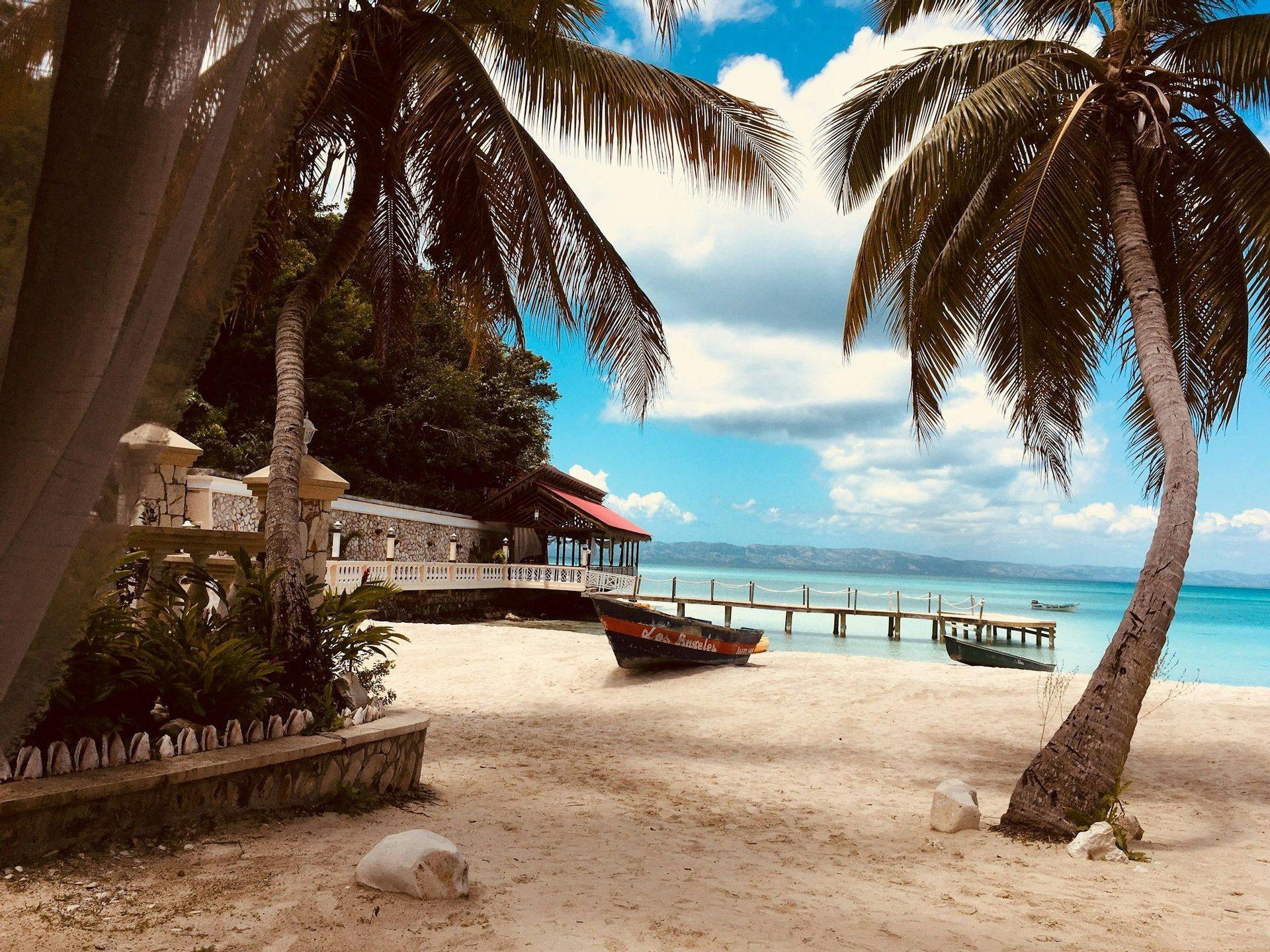
Discover Haiti, an island nation where every street corner pulses with artistic energy and every landscape tells a story of profound originality. It's a destination of stunning natural beauty, from pristine coastlines to majestic mountains, interwoven with a deeply rooted history and a flourishing contemporary arts scene. Imagine exploring the colossal grandeur of the Citadelle Laferrière, a UNESCO World Heritage site, standing sentinel over verdant hills, or wandering through the artistic alleys of Jacmel, famous for its vibrant carnival and intricate papier-mâché. Beyond these, find tranquility on the exquisite beaches near Île-à-Vache, or immerse yourself in the rhythmic markets and rich flavors of its dynamic cities. Haiti beckons the curious explorer and the culture enthusiast, promising an immersive journey into a world of breathtaking landscapes, soulful music, and unmatched human spirit.


FAQs about Haiti
Find out the entry requirements for Haiti, and, if needed, apply for your visa through our partner Sherpa.
Before traveling, always remember to check the government website of your country of origin for updates on the entry requirements for Haiti – you wouldn’t want to stay home due to a bureaucratic detail!
- UK residents: review the FCDO Travel Advice.
- US residents: consult the US Department of State Travel Advice.
- Other residents: refer to your government or local consulate's travel advice.
Haiti is in the Eastern Standard Time (EST) zone. Haiti does observe daylight saving time, so from the second Sunday in March to the first Sunday in November, they are on Eastern Daylight Time (EDT).
- If it's 12 pm in the UK, it will be 7 am in Haiti.
- If it's 12 pm in New York (USA Eastern Time), it will be 12 pm in Haiti.
- If it's 12 pm in Los Angeles (USA Pacific Time), it will be 3 pm in Haiti.
Haiti uses the Haitian Gourde as its currency. The daily exchange rate fluctuates, but as an example:
- 1 GBP is roughly 160 Haitian Gourdes
- 1 USD is approximately 120 Haitian Gourdes
- 1 EUR is about 135 Haitian Gourdes
You can exchange currency at banks, major hotels, and authorized exchange bureaus in urban areas.
In Haiti, you can pay with cash, credit cards, and mobile payments. Credit cards are accepted in larger cities and tourist areas, but it's wise to carry cash, especially for small vendors and rural areas. ATMs are available in cities, where you can withdraw the local currency. Mobile payments are also gaining popularity, so you might find them useful in some places. Always inform your bank of your travel plans to avoid any issues with card transactions.
In Haiti, tipping is appreciated but not always expected. If you're at a restaurant, it's nice to leave about 10 to 15 percent of the bill if the service was good. For hotel staff, a small tip for helpful service is considerate. Taxi drivers don't usually expect tips, but rounding up the fare is a friendly gesture. Remember, tipping is a way to show gratitude and can make a positive impact on someone's day.
In Haiti, internet access can be a bit challenging in certain areas. We suggest you buy a local SIM card or an e-SIM data plan for more reliable connectivity. Local providers like Digicel and Natcom offer various data options to suit your needs. Wi-Fi is available in hotels and some cafes, but it may not be as fast or reliable as you're used to in Europe or the USA. A local SIM card will give you more consistent access, especially when exploring less urban areas.
In Haiti, they speak Haitian Creole and French. Haitian Creole is the most widely spoken language. Here are a few useful colloquial expressions you might hear or use:
- Hello: Bonjou
- Thank you: Mèsi
- How are you?: Kijan ou ye?
- Please: Souple
- Yes: Wi
- No: Non
These phrases can be helpful while interacting with locals during your visit.
In Haiti, the plugs are types A and B, similar to those used in the USA. The voltage is 110V, and the frequency is 60Hz. If you're coming from the UK or Europe, you'll need a universal adapter. Make sure your devices can handle 110V to avoid any issues. Most modern electronics like phone chargers and laptops are dual voltage, but it's always good to check.
In Haiti, the main religion is Christianity, with a significant portion of the population being Roman Catholic. Additionally, many people in Haiti practice Vodou, often alongside their Christian faith. Important religious holidays celebrated in Haiti include:
- Christmas
- Easter
- All Saints' Day
- All Souls' Day, which hold particular cultural significance.
For your trip to Haiti, it's important to pack smartly due to the tropical climate. Here's a handy list to consider:
-
Clothing:
- Light, breathable shirts
- Shorts and lightweight pants
- Swimwear
- A light jacket or sweater for cooler evenings
-
Shoes:
- Comfortable walking shoes
- Sandals or flip-flops
- Water shoes for beach or water activities
-
Accessories and Technology:
- Sunglasses and a hat
- A sturdy backpack
- A power bank for your devices
- Camera or smartphone for photos
-
Toiletries and Medication:
- Sunscreen and insect repellent
- Travel-sized toiletries
- Basic first-aid kit
- Common travel medication like pain relievers, anti-diarrheal, antihistamines
Packing these essentials will help ensure a comfortable and enjoyable trip to Haiti.
Haiti has a tropical climate, so you can expect warm temperatures year-round. However, the weather can vary depending on the region and the time of year:
- Coastal areas: Hot and humid with temperatures around 86°F (30°C).
- Mountains: Cooler temperatures, especially in the evenings.
- Rainy season: Generally from April to October, with the potential for hurricanes between June and November.
- Dry season: November to March, with milder weather and less humidity.
The best time to visit is during the dry season when the weather is more pleasant and there's less risk of rain.