Group trips to Aruba
Our organized trips to Aruba
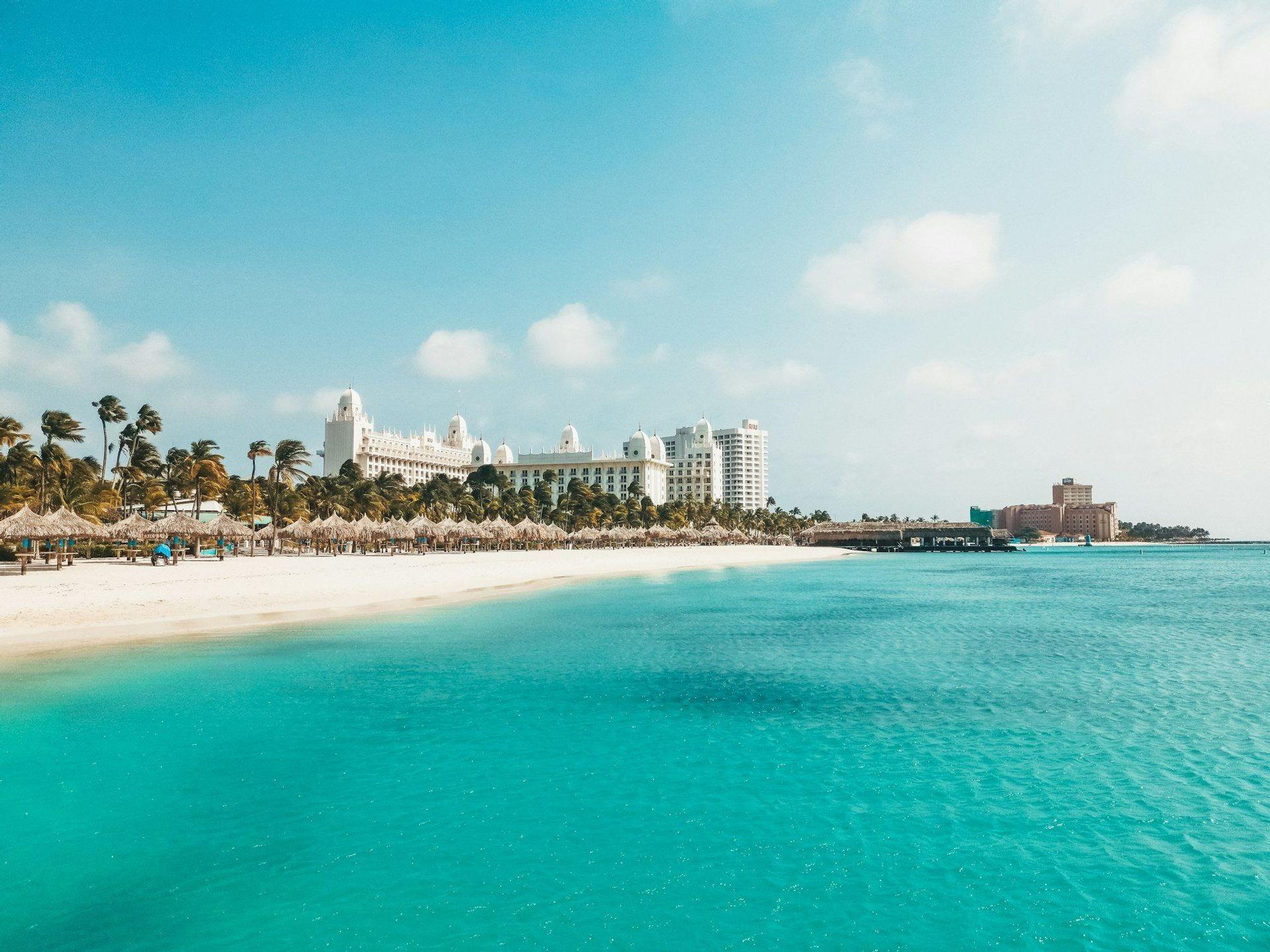
Often celebrated for its iconic white sands, Aruba reveals a surprising tapestry of experiences beyond its pristine shores: an island of **unrivaled natural beauty** and **vibrant, warm culture**. From the world-renowned, powder-soft expanse of **Eagle Beach**, framed by its iconic Fofoti trees, to the rugged, dramatic terrain of **Arikok National Park** teeming with unique desert flora and hidden natural pools, and the colorful Dutch colonial architecture of **Oranjestad** bustling with boutiques and culinary delights, Aruba invites **discerning travelers** and **spirited adventurers** to discover its unique Caribbean charm and embrace its 'One Happy Island' allure.


FAQs about Aruba
Find out the entry requirements for Aruba, and, if needed, apply for your visa through our partner Sherpa.
Before traveling, always remember to check the government website of your country of origin for updates on the entry requirements for Aruba – you wouldn’t want to stay home due to a bureaucratic detail!
- UK residents: review the FCDO Travel Advice.
- US residents: consult the US Department of State Travel Advice.
- Other residents: refer to your government or local consulate's travel advice.
Aruba is in the Atlantic Standard Time (AST) zone, which is 4 hours behind Coordinated Universal Time (UTC-4). Aruba does not observe daylight saving time, so the time difference remains the same throughout the year.
If it is 12 pm in the UK, it will be 8 am in Aruba. If it is 12 pm in New York, USA, it will be 12 pm in Aruba, as they share the same time zone.
In Aruba, the official currency is the Aruban Florin (AWG). The exchange rate is approximately:
- 1 GBP to 2.32 AWG
- 1 USD to 1.79 AWG
- 1 EUR to 1.96 AWG
You can exchange currency at local banks, exchange offices, or even at some hotels. It's also a good idea to check the rates as they can fluctuate.
Credit cards are widely accepted in Aruba, especially Visa and MasterCard, so you can use them in most places. Cash is also an option, and you'll find ATMs throughout the island that dispense Aruban Florin as well as US dollars. It's a good idea to have some cash on hand for small purchases or in case you visit local markets.
Tipping in Aruba is appreciated but not obligatory. Restaurants often include a service charge in the bill, usually around 10 to 15 percent, so check before adding a tip. If the service charge is included, you can leave an extra 5 percent for exceptional service. For taxis, rounding up to the nearest dollar is common. Hotel staff like porters and housekeepers usually receive $1 to $2 per bag or per day. Overall, tipping is at your discretion, based on the service you receive.
In Aruba, you can find Wi-Fi in most hotels, cafes, and restaurants, making it fairly easy to stay connected. However, if you want reliable internet on the go, buying a local SIM card or an e-SIM data plan is a great option. Digicel and Setar are popular providers offering various plans to suit your needs. Keep in mind that Aruba is not in the Schengen area, so EU roaming won't apply here. With a local SIM, you'll have internet access wherever you are on the island, ensuring you stay connected throughout your trip.
In Aruba, the official languages are Dutch and Papiamento. However, English and Spanish are widely spoken, especially in tourist areas. Here are some useful phrases in Papiamento you might hear or want to use:
- Hello: Bon dia
- Thank you: Danki
- Please: Por fabor
- How are you?: Con ta bai?
- Goodbye: Ayo
These phrases can come in handy while you're exploring the island!
In Aruba, the plugs are type A and B, similar to those used in the United States. The voltage is 127 V, and the frequency is 60 Hz. If your devices use a different plug type, we suggest you bring a universal adapter to ensure your electronics can be used without any issues. Always check your devices to make sure they can handle 127 V to avoid any damage.
In Aruba, the main religion is Roman Catholicism. Around 75% of the population identifies as Roman Catholic. While there aren't specific dressing requirements tied to religion, it's respectful to dress modestly when visiting places of worship. Additionally, important religious holidays include Easter and Christmas, which are widely celebrated across the island. Keep in mind that during these times, some businesses might have reduced hours or be closed.
Aruba is a beautiful tropical destination, so you will want to pack light and be ready for sunny days. Here's what to put in your backpack:
-
Clothing:
- Light t-shirts
- Shorts
- Swimwear
- Sun hat
- Lightweight sweater for evenings
-
Shoes:
- Sandals
- Flip-flops
- Comfortable walking shoes
-
Accessories and Technology:
- Sunglasses
- Waterproof phone case
- Portable charger
- Camera
-
Toiletries and Medication:
- Sunscreen
- After-sun lotion
- Bug spray
- Basic first aid kit
- Common travel medication like pain relievers and anti-diarrheal tablets
Remember, Aruba is sunny all year round, so prioritize sun protection in your backpack.
Aruba enjoys a warm, sunny climate all year round, making it a great destination anytime. However, here’s a general breakdown:
- Coastal areas: Generally hot and dry, with temperatures averaging 28-32°C (82-90°F). Trade winds provide a cooling effect.
- Inland areas: Slightly warmer and more humid, but still comfortable.
The best time to visit is from December to April when the weather is driest. Keep in mind that Aruba is outside the hurricane belt, so it’s less affected by storms.