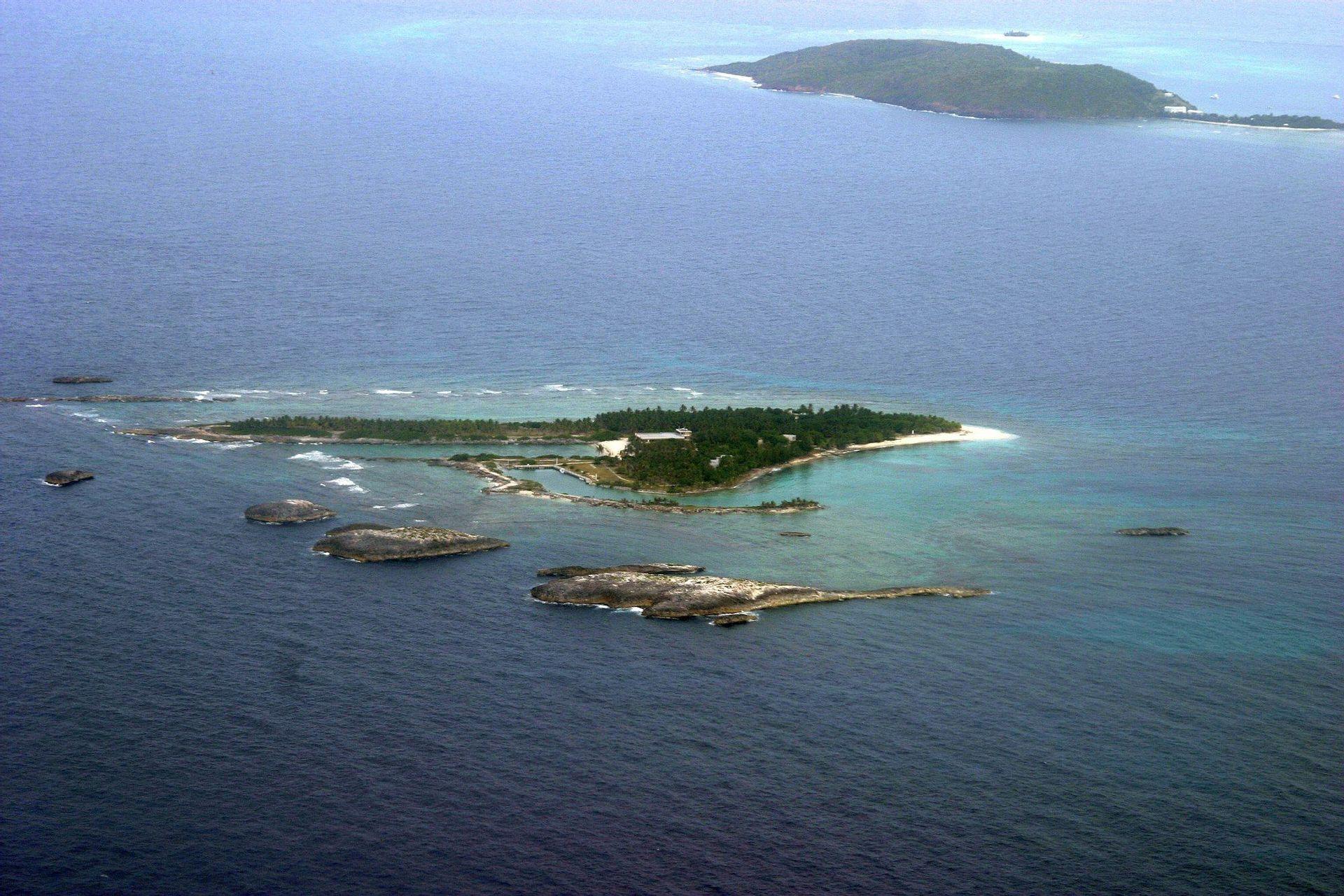
Group trips to the United States Minor Outlying Islands
Our organized trips to the United States Minor Outlying Islands
Far beyond the familiar shores, a collection of remarkable jewels awaits: the United States Minor Outlying Islands unveil a realm of unfathomable natural beauty and pristine ecological wonder. From the vibrant, living coral gardens of Palmyra Atoll, a haven for marine biodiversity and cutting-edge research, to the sky-filled spectacle of nesting albatrosses on the vast expanse of Midway Atoll National Wildlife Refuge, and the pure, untouched stretches of Kingman Reef, these islands offer an unparalleled connection to the wild heart of our planet. This secluded archipelago beckons to intrepid adventurers and dedicated conservationists, inviting them to immerse themselves in landscapes where nature’s artistry remains utterly undisturbed and eternally captivating.


FAQs about United States Minor Outlying Islands (the)
Find out the entry requirements for United States Minor Outlying Islands (the), and, if needed, apply for your visa through our partner Sherpa.
Before traveling, always remember to check the government website of your country of origin for updates on the entry requirements for United States Minor Outlying Islands (the) – you wouldn’t want to stay home due to a bureaucratic detail!
- UK residents: review the FCDO Travel Advice.
- US residents: consult the US Department of State Travel Advice.
- Other residents: refer to your government or local consulate's travel advice.
The United States Minor Outlying Islands don't have a single standard time zone. Each island follows the time zone of the closest continental U.S. state or territory. For example, Wake Island operates on Wake Island Time, which is UTC+12. If it is 12 pm in the UK, it will be 12 am the next day on Wake Island. If it is 12 pm in New York, USA, it will be 7 am the next day on Wake Island. Time zones can vary for other islands, so it's best to check the specific island you plan to visit.
The currency used in the United States Minor Outlying Islands is the United States Dollar (USD). If you're looking to exchange currency, you can do so at banks or currency exchange services in major airports in the United States before traveling. The daily exchange rates are approximately:
- 1 GBP to 1.22 USD
- 1 EUR to 1.07 USD
- 1 USD equals 1 USD, as it's the local currency
Credit cards, debit cards, and cash are widely accepted in the United States Minor Outlying Islands. It's a good idea to carry some cash for smaller establishments or areas where card payments might not be available. ATMs may be limited, so it's wise to withdraw cash beforehand. Remember that these islands are U.S. territories, so transactions will be in U.S. dollars.
Tipping isn't typically expected in the United States Minor Outlying Islands, as these islands are mostly uninhabited and don't have the standard service industries where tipping would apply. However, if you find yourself in a situation with service staff, like at a research facility or during a guided tour, tipping isn't customary, but you can offer a small amount if you feel the service was exceptional. Always check with the local customs or your tour operator to ensure you're following any specific guidelines.
In the United States Minor Outlying Islands, internet access can be quite limited. Public Wi-Fi is generally not available, so relying on Wi-Fi alone might not be ideal. We recommend you buy a local SIM card or an e-SIM data plan for more reliable connectivity. Since these islands are U.S. territories, providers like AT&T, T-Mobile, and Verizon might offer coverage, but it's best to check their specific plans for these locations.
In the United States Minor Outlying Islands, English is the primary language spoken. Although these islands are mostly uninhabited, English will be the language you'll encounter if you visit. Here are a few useful English expressions you might hear or use:
- Hello: A common greeting.
- Thank you: Used to express gratitude.
- Please: Used when making a request.
- Excuse me: Used to politely get someone's attention or to apologize.
- Goodbye: A common farewell.
In the United States Minor Outlying Islands, you will find the same plugs as in the United States. They use Type A and Type B plugs with a voltage of 120V and a frequency of 60Hz. If you are coming from a country with different plug types, you should bring a universal adapter to ensure your devices can be charged without any issues.
The United States Minor Outlying Islands are a collection of islands in the Pacific and Caribbean, mostly uninhabited or with a small population. As there is no permanent population, there is no predominant religion. If visiting for work or research, the islands are under U.S. jurisdiction, so you might find influences of Christianity, similar to the United States. However, for specific islands with temporary personnel, religious practices can vary based on the personnel stationed there.
The United States Minor Outlying Islands are mostly uninhabited, so packing will depend on the purpose of your trip. Here's a general idea of what to pack in your backpack:
-
Clothing:
- Lightweight shirts
- Quick-dry pants or shorts
- Swimwear
- Light jacket or sweater
-
Shoes:
- Comfortable walking shoes
- Sandals or flip-flops
- Water shoes
-
Accessories and Technology:
- Hat or cap
- Sunglasses
- Waterproof phone case
- Portable charger
- Camera
-
Toiletries and Medication:
- Sunscreen
- Insect repellent
- Basic first aid kit
- Motion sickness tablets
- Pain relievers like ibuprofen or paracetamol
Depending on your activities, you might need specific gear, so consider your itinerary when packing.
The United States Minor Outlying Islands have a tropical climate, with warm temperatures year-round. Here's a quick breakdown:
- Wake Island: Expect hot and humid weather, with occasional rain, especially from July to October.
- Midway Atoll: Mild tropical weather, with more rain occurring from November to April.
- Johnston Atoll: Warm and dry, with the wettest months being from December to February.
The best time to visit is during the less rainy periods, typically from May to October.