Group trips to Greenland
Our organized trips to Greenland
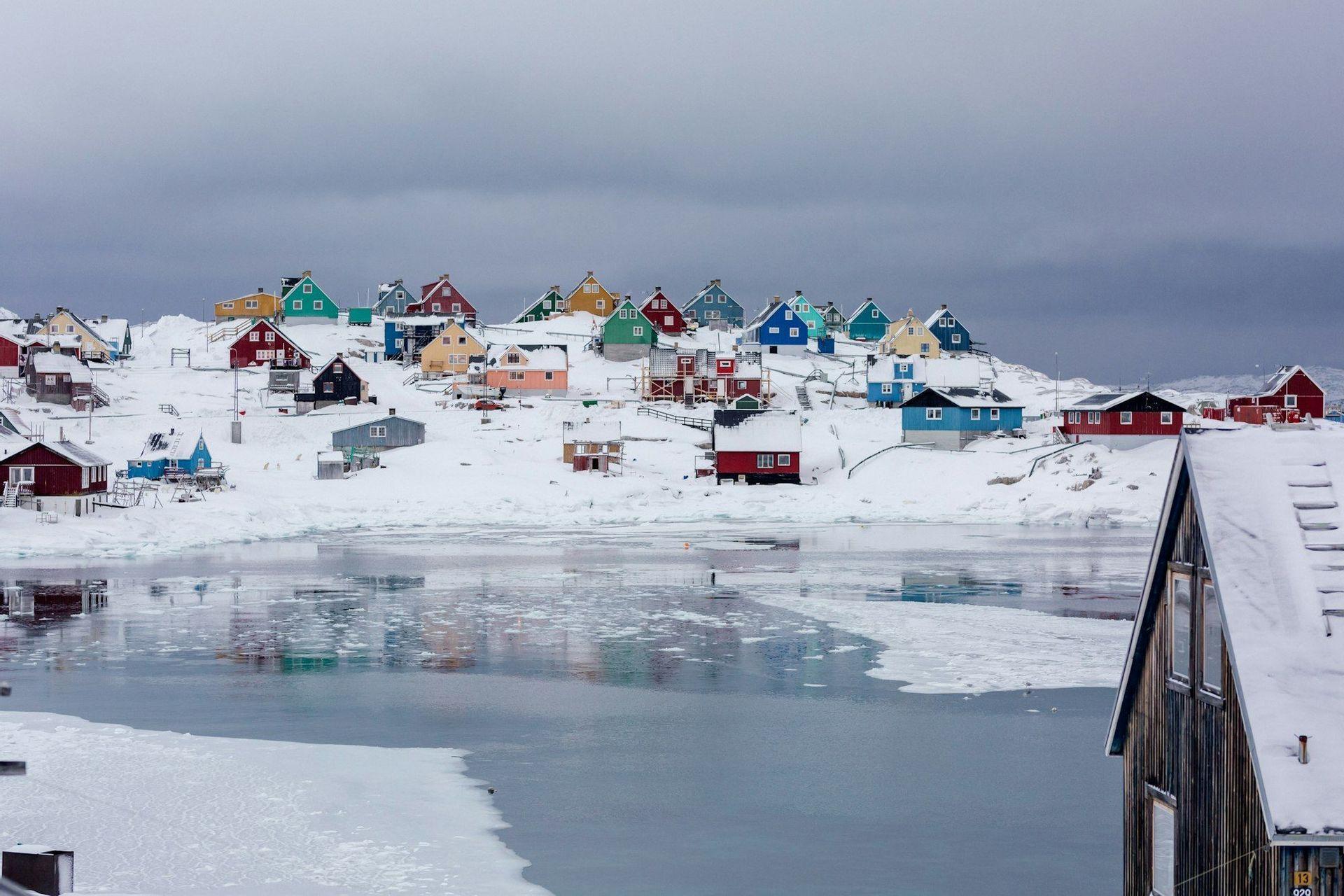
Far more than just a canvas of ice, Greenland reveals a land of surprising warmth and rich culture, an extraordinary tapestry woven from ancient traditions and modern life. From the thunderous beauty of the UNESCO World Heritage Ilulissat Icefjord, where colossal icebergs calve into crystalline waters, to the vibrant urban pulse of Nuuk, where contemporary art meets Arctic history, Greenland offers an unparalleled journey. Explore the verdant Norse and Inuit farming landscapes of Kujataa, another UNESCO site, and witness the mesmerizing dance of the Northern Lights, making it the ultimate destination for the adventurous spirit and curious explorer seeking genuine connection with raw, magnificent nature.


FAQs about Greenland
Find out the entry requirements for Greenland, and, if needed, apply for your visa through our partner Sherpa.
Before traveling, always remember to check the government website of your country of origin for updates on the entry requirements for Greenland – you wouldn’t want to stay home due to a bureaucratic detail!
- UK residents: review the FCDO Travel Advice.
- US residents: consult the US Department of State Travel Advice.
- Other residents: refer to your government or local consulate's travel advice.
Greenland has multiple time zones due to its size. Here's a breakdown:
- West Greenland Time (WGT): UTC-For example, if it is 12pm in the UK, it will be 9am in West Greenland. If it is 12pm in New York, USA, it will be 11am in West Greenland.
- East Greenland Time (EGT): UTC-If it is 12pm in the UK, it will be 11am in East Greenland. If it is 12pm in New York, USA, it will be 1pm in East Greenland.
- There is also a small area observing UTC+0, matching UK time outside of daylight saving.
Keep in mind that Greenland observes daylight saving time, moving the clocks forward by one hour in late March and back in late October.
Greenland uses the Danish Krone (DKK) as its currency. The daily exchange rate is approximately:
- 0.11 GBP
- 0.14 USD
- 0.13 EUR per DKK
You can exchange currency at banks and some hotels. Remember, while credit and debit cards are widely accepted, it's always good to have some local currency for small purchases or in remote areas.
In Greenland, you can pay using credit cards like Visa and MasterCard at most hotels, restaurants, and larger stores. However, it's a good idea to carry some cash for smaller shops or remote areas that may not accept cards. ATMs are available in larger towns where you can withdraw cash. Remember, the local currency is the Danish krone, but make sure to check the latest exchange rates for an accurate conversion from your currency.
Tipping in Greenland isn't compulsory, but it is appreciated for good service. Service charges are usually included in the bill at restaurants, hotels, and taxis. If you want to leave a tip, rounding up the bill or leaving a small amount like 5-10% is a nice gesture. However, locals don't expect it, so it's entirely up to you.
In Greenland, internet access can be a bit of a challenge due to its remote location. Wi-Fi is available in most hotels and some cafes in larger towns, but it can be slow and sometimes costly. If you need a more reliable connection, consider buying a local SIM card or an e-SIM data plan.
Greenland's main mobile service provider is TELE Greenland, which offers prepaid SIM cards with data packages. Always check if your phone is unlocked and compatible with Greenland's network. Keep in mind that coverage might be limited in more remote areas.
In Greenland, the official language is Greenlandic, which is an Inuit language. Danish is also widely spoken. Here are some useful Greenlandic expressions you might hear or use:
- Hello: Aluu
- Thank you: Qujanaq
- Yes: Aap
- No: Naamik
Most people in towns also understand English, especially in tourist areas.
In Greenland, you will find Type C and Type K plugs, similar to those used in many European countries. The electrical voltage is 230V with a frequency of 50Hz. If you're coming from a country that uses different plug types, like the UK or the USA, it's a good idea to bring a universal adapter to ensure your devices can be charged without any hassle.
The main religion in Greenland is Christianity, with the Evangelical Lutheran Church being the most prominent denomination. Religious holidays like Christmas and Easter are widely celebrated. Greenlandic culture also incorporates traditional Inuit beliefs alongside Christianity.
Packing for Greenland requires some preparation due to its unique climate. Here's a list to help you get ready:
-
Clothing:
- Thermal base layers
- Insulated jackets
- Waterproof and windproof outer layers
- Warm sweaters
- Hats, scarves, and gloves
-
Shoes:
- Insulated and waterproof boots
- Comfortable walking shoes
-
Accessories and Technology:
- Sunglasses
- Camera
- Portable charger
- Travel adapter
- Binoculars for spotting wildlife
-
Toiletries and Medication:
- Moisturizer and lip balm
- Sunscreen
- Basic first aid kit
- Common travel medications like pain relievers, anti-nausea, and allergy tablets
Make sure to pack warm and waterproof gear to stay comfortable while exploring this stunning Arctic destination.
Greenland's weather can vary greatly depending on the region and season:
- Coastal Areas: Milder temperatures, with summer highs around 10°C (50°F), but winters can be harsh with temperatures dropping well below freezing.
- Inland and Ice Cap: Extremely cold, particularly in winter, with temperatures often plummeting to -30°C (-22°F) or lower. Summers are short and cool.
The best time to visit is from June to September when the weather is milder and the days are longer. Always check the specific region you're visiting as conditions can differ widely.