Group trips to Luxembourg
Our organized trips to Luxembourg
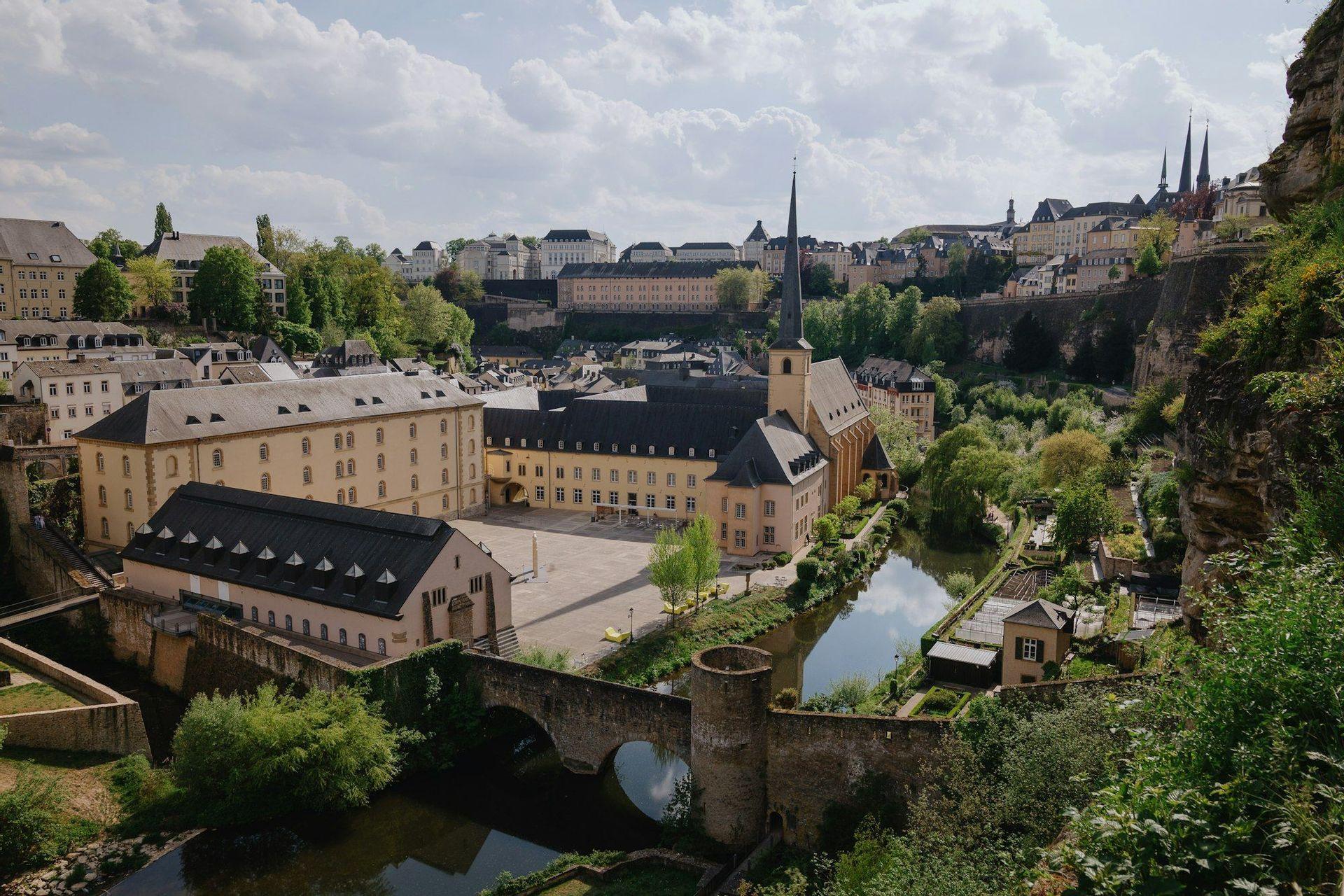
Luxembourg is a tiny landlocked Grand Duchy at the crossroads of France, Germany, and Belgium, a multilingual country where medieval castles, UNESCO-listed fortifications, and European Union institutions coexist in a single compact territory. It stands out for dramatic river gorges, excellent train connections, and one of Europe's highest concentrations of castles. Wander Luxembourg City's Casemates and Chemin de la Corniche, explore the hilltop castle of Vianden, hike the Mullerthal region known as Little Switzerland, taste Riesling and Cremant along the Moselle wine route, and visit the iron-fortified town of Esch-sur-Alzette. Try judd mat gaardebounen, Riesling-based dishes, and local pastries. Luxembourg suits weekend travelers, castle enthusiasts, Cremant lovers, EU trivia buffs, and hikers combining it with Belgium or Germany.

Book with confidence
Book with $ 0
Lock in your spot and only pay once it's confirmed
Free changes
Switch dates or destination within 31 days, at no extra cost
Maximum Flexibility
New Flexible Cancellation! Cancel up to 24hrs before
Pay in installments
Spread the cost over time, interest-free
FAQs about Luxembourg
Find out the entry requirements for Luxembourg, and, if needed, apply for your visa through our partner Sherpa.
Before traveling, always remember to check the government website of your country of origin for updates on the entry requirements for Luxembourg – you wouldn’t want to stay home due to a bureaucratic detail!
- UK residents: review the FCDO Travel Advice.
- US residents: consult the US Department of State Travel Advice.
- Other residents: refer to your government or local consulate's travel advice.
Luxembourg operates on Central European Time (CET), which is UTC+During daylight saving time, it's on Central European Summer Time (CEST), UTC+2.
If it's 12pm in the UK, it will be 1pm in Luxembourg. If it's 12pm in the USA (Eastern Time), it will be 6pm in Luxembourg.
Daylight saving starts on the last Sunday in March and ends on the last Sunday in October.
Luxembourg uses the Euro (EUR) as its currency. As of the latest exchange rates:
- 1 British Pound (GBP) is approximately 1.15 EUR
- 1 US Dollar (USD) is about 0.95 EUR
- 1 Euro (EUR) equals 1 EUR
You can exchange currency at banks, exchange bureaus, and some hotels. Always check for up-to-date rates before exchanging your money.
You can pay in Luxembourg using credit cards, debit cards, and cash. Credit cards like Visa and MasterCard are widely accepted in shops, restaurants, and hotels. For smaller purchases, especially in markets or small cafes, having some cash on hand is helpful. ATMs are plentiful if you need to withdraw Euros. Mobile payment options like Apple Pay and Google Wallet are also becoming more common, so they’re worth considering for convenience.
Tipping in Luxembourg is appreciated but not mandatory. Service charges are usually included in the bill at restaurants, but if you enjoyed the service, you can leave a small tip as a gesture of appreciation. Rounding up the bill or leaving about 5 to 10 percent is a nice way to show gratitude. For taxis, rounding up to the nearest euro is common. In hotels, you can tip a few euros to the bellhop or housekeeping staff if you feel inclined.
In Luxembourg, internet connectivity is excellent, and since the country is in the EU, you can use your existing phone plan with EU roaming without extra charges. Wi-Fi is widely available in hotels, cafes, and public places, making it easy to stay connected. If you prefer a local SIM for better local rates or if you're planning to use a lot of data, you can buy a SIM card from providers like POST Luxembourg or Tango. Wi-Fi is generally reliable and fast, so whether you choose to roam or get a local SIM, staying online is hassle-free.
In Luxembourg, you’ll find a unique multilingual environment. The official languages are Luxembourgish, French, and German. Here are a few useful expressions you might hear or use:
- Hello (Luxembourgish): Moien
- Thank you (French): Merci
- Please (German): Bitte
Most locals are fluent in all three languages, so you’ll have plenty of options to communicate. Enjoy the linguistic diversity!
Luxembourg uses Type C and Type F plugs, which are common in Europe. The voltage is 230V with a frequency of 50Hz. If you're coming from the UK, the USA, or other countries that use different plug types, you'll need a universal adapter to fit your devices. Make sure your electronics are compatible with 230V to avoid any issues.
The main religion in Luxembourg is Roman Catholicism. However, the country is quite diverse in terms of religious beliefs, with Protestantism, Orthodox Christianity, Judaism, and Islam also present. Important religious holidays include Christmas and Easter, which are widely celebrated. Keep in mind that many shops and businesses may be closed during these holidays.
Here’s a handy packing list for your trip to Luxembourg, ensuring you’re ready for whatever comes your way.
-
Clothing:
- Lightweight jacket or sweater
- T-shirts and long-sleeve shirts
- Jeans or comfortable trousers
- A dress or smart-casual outfit for evenings
-
Shoes:
- Comfortable walking shoes or sneakers
- A pair of dress shoes or sandals
- Waterproof shoes or boots if visiting during rainy months
-
Accessories and Technology:
- Universal travel adapter
- Portable charger
- Camera or smartphone for photos
- Sunglasses
-
Toiletries and Medication:
- Basic toiletries like toothbrush, toothpaste, and shampoo
- Sunscreen and lip balm
- Personal medications
- Common travel medications such as pain relievers, antihistamines, and motion sickness tablets
Luxembourg has a temperate climate, so layers are key to adapting to changing temperatures throughout the day.
Luxembourg has a temperate climate with distinct seasons. Here's a quick breakdown:
- Spring (March to May): Mild temperatures, with occasional rain. Great time to see blooming flowers.
- Summer (June to August): Warm and pleasant, with temperatures averaging 20–25°C. Ideal for outdoor activities.
- Autumn (September to November): Cooler temperatures with colorful foliage, but expect some rain.
- Winter (December to February): Cold, with temperatures often dipping below freezing. Snow is possible.
The best time to visit is during late spring or early autumn when the weather is mild and landscapes are vibrant.