Group trips to Belgium
Our organized trips to Belgium
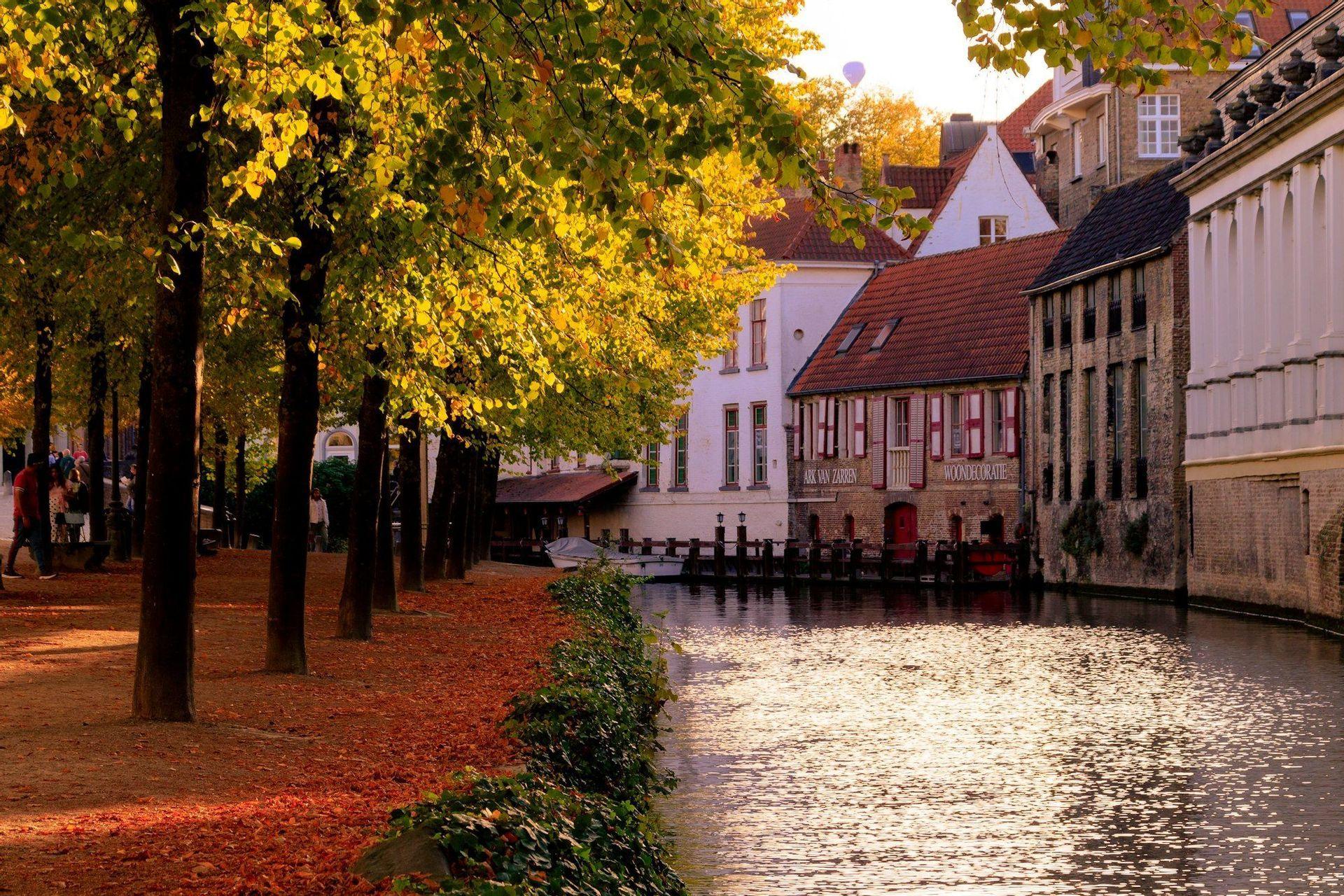
Beyond the delightful stereotypes, Belgium quietly unveils itself as a land of unexpected depth and irresistible charm, a place where art Nouveau elegance meets medieval grandeur, where culinary masterpieces are crafted with passion, and where vibrant urban energy blends seamlessly with serene natural beauty. From the majestic Grand Place in Brussels, a UNESCO World Heritage site, to the enchanting canals and cobblestone lanes of Bruges, often dubbed the 'Venice of the North,' and the vibrant artistic heartbeat of Antwerp, Belgium calls out to the discerning traveler, the art aficionado, and the culinary explorer ready to discover its countless treasures and warm hospitality.


FAQs about Belgium
Find out the entry requirements for Belgium, and, if needed, apply for your visa through our partner Sherpa.
Before traveling, always remember to check the government website of your country of origin for updates on the entry requirements for Belgium – you wouldn’t want to stay home due to a bureaucratic detail!
- UK residents: review the FCDO Travel Advice.
- US residents: consult the US Department of State Travel Advice.
- Other residents: refer to your government or local consulate's travel advice.
Belgium is in the Central European Time (CET) zone. If it is 12pm in the UK, it will be 1pm in Belgium. If it is 12pm in New York, USA, it will be 6pm in Belgium. Keep in mind that Belgium observes Daylight Saving Time, so from the last Sunday in March to the last Sunday in October, they switch to Central European Summer Time (CEST), which is UTC+During this period, the time difference will be one hour more.
Belgium uses the Euro (EUR) as its currency. If you're exchanging money, the rate is roughly:
- 1 GBP = 1.15 EUR
- 1 USD = 0.95 EUR
- 1 EUR = 1 EUR
You can exchange currency at banks, exchange bureaus, and some hotels across the country.
You can use various payment methods in Belgium. Credit and debit cards are widely accepted, especially Visa and Mastercard. Mobile payment apps like Apple Pay and Google Pay are also popular. However, it's always a good idea to carry some cash for smaller shops or markets that might not accept cards. ATMs are easily found in cities and towns if you need to withdraw cash.
Tipping in Belgium is not mandatory as service charges are typically included in your bill. However, if you receive exceptional service, leaving a small tip is appreciated. For instance, rounding up the bill or leaving a few euros is common in restaurants. For taxi drivers, you can round up to the nearest euro. In hotels, a euro or two for the porter or housekeeping is a nice gesture if the service stands out.
In Belgium, you're in the Schengen area, so you can use your existing mobile plan with roaming without extra charges if you're from the EU. For non-EU travelers, buying a local SIM card or an e-SIM data plan could be a good choice. Major providers include:
- Proximus
- Orange
- BASE
Wi-Fi is widely available in hotels, cafes, and public places, so you should have no trouble staying connected.
In Belgium, there are three official languages: Dutch, French, and German. The language you hear depends on the region. Here's a handy list of some common expressions you might encounter:
- Hello: Hallo (Dutch), Bonjour (French), Hallo (German)
- Thank you: Dank u (Dutch), Merci (French), Danke (German)
- Yes: Ja (Dutch and German), Oui (French)
- No: Nee (Dutch), Non (French), Nein (German)
Most Belgians also speak English, so you should be able to communicate without too much trouble.
In Belgium, the plugs used are Type C and Type E, with a voltage of 230V and a frequency of 50Hz. If your devices use different plug types, we suggest you bring a universal adapter to ensure your electronics can be used without any issues.
In Belgium, the main religion is Christianity, with Catholicism being the dominant branch. However, Belgium is quite diverse, and you will also find communities practicing Islam, Judaism, and other religions. While there are no specific dressing requirements for travelers, it's always good to dress modestly when visiting religious sites. Important religious holidays include:
- Easter
- Christmas
- All Saints' Day
When packing your backpack for a trip to Belgium, it's a good idea to consider the weather and activities you plan to do. Here's a handy checklist to help you out:
-
Clothing:
- Lightweight jacket or coat
- Sweaters or cardigans
- T-shirts and long sleeves
- Jeans or comfortable pants
- Waterproof jacket or umbrella
-
Shoes:
- Comfortable walking shoes
- Dress shoes for dining out
- Waterproof shoes or boots
-
Accessories and Technology:
- Universal plug adapter
- Portable charger
- Camera or smartphone
- Travel guidebook or apps
-
Toiletries and Medication:
- Toothbrush and toothpaste
- Shampoo and soap
- Sunscreen
- Basic first-aid kit
- Common travel medication like pain relievers, antihistamines
Belgium has varied weather, so dressing in layers is a good strategy.
Belgium has a temperate maritime climate, which means mild and rainy. The weather can vary from region to region:
- Coastal Areas: Generally cooler and windier, with more rain. Summers are mild, and winters are chilly but not extreme.
- Inland and Brussels: Slightly warmer in summer and colder in winter compared to the coast. Expect rain throughout the year.
The best time to visit Belgium is late spring (May) or early autumn (September) when the weather is mild and there are fewer tourists.