Group trips to Hungary
Our organized trips to Hungary
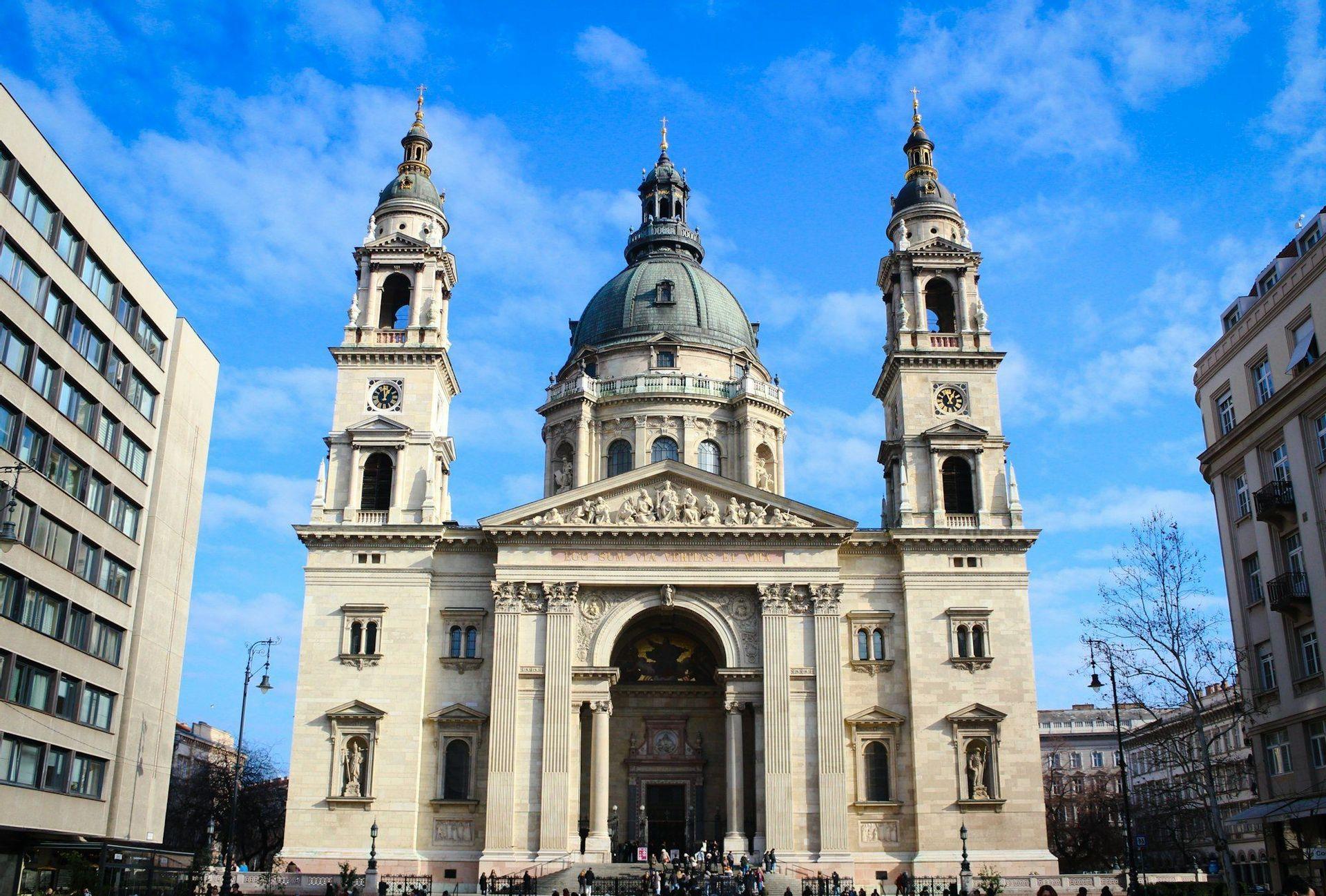
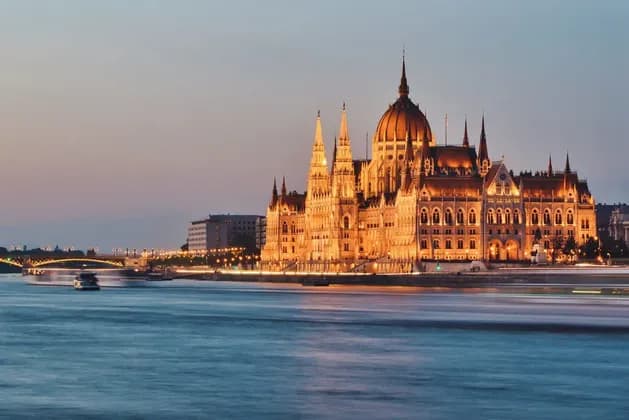
Step into Hungary, where an ancient heart beats with a remarkably modern pulse, offering a tapestry of experiences as diverse as its landscapes. This is a land of sophisticated culture and untamed natural beauty, where centuries of history seamlessly blend with contemporary vibrancy. From the elegant thermal baths and grand architecture of Budapest, a true jewel on the Danube, to the vast, soul-stirring plains of Hortobágy National Park, a UNESCO World Heritage site rich in cowboy traditions, and the sun-drenched slopes of the legendary Tokaj wine region, Hungary beckons to curious explorers, culinary adventurers, and anyone eager to uncover its enchanting layers.


FAQs about Hungary
Find out the entry requirements for Hungary, and, if needed, apply for your visa through our partner Sherpa.
Before traveling, always remember to check the government website of your country of origin for updates on the entry requirements for Hungary – you wouldn’t want to stay home due to a bureaucratic detail!
- UK residents: review the FCDO Travel Advice.
- US residents: consult the US Department of State Travel Advice.
- Other residents: refer to your government or local consulate's travel advice.
Hungary is in the Central European Time (CET) zone. It operates on CET (UTC+1) during standard time and switches to Central European Summer Time (CEST, UTC+2) for daylight saving time, which typically runs from the last Sunday in March to the last Sunday in October.
- If it is 12pm in the UK, it will be 1pm in Hungary during standard time and 2pm during daylight saving time.
- If it is 12pm in New York, USA, it will be 6pm in Hungary during standard time and 7pm during daylight saving time.
Hungary uses the Hungarian Forint (HUF) as its currency. The daily exchange rate can vary, but you can expect approximately:
- 1 GBP to be around 425 HUF
- 1 USD to be around 380 HUF
- 1 EUR to be about 410 HUF
You can exchange currency at banks, exchange offices, and some hotels. It's also a good idea to compare rates and fees before making an exchange.
You can pay in Hungary using credit cards, debit cards, and cash. Major credit cards like Visa and Mastercard are widely accepted in most places, including hotels, restaurants, and shops. It's always a good idea to carry some cash for smaller vendors or markets that might not accept cards. ATMs are easily found in cities and towns if you need to withdraw cash. Remember, the local currency is the Hungarian Forint.
Tipping in Hungary is appreciated but not mandatory. In restaurants, a tip of about 10 to 15 percent of the bill is common if you’re happy with the service. You can leave the tip in cash or add it to your card payment. In bars or cafes, it's usual to round up the bill or leave a small tip. For taxis, rounding up to the nearest convenient amount is a nice gesture. In hotels, tipping porters or housekeeping staff is also appreciated, usually a small amount in cash.
In Hungary, you'll find that internet access is quite good, especially in urban areas. Public Wi-Fi is widely available in cafes, restaurants, and hotels, which makes staying connected fairly easy. If you're planning to travel around, buying a local SIM card or an e-SIM data plan could be a great option for seamless internet access. Providers like Telenor, Telekom, and Vodafone offer good coverage and competitive plans. If you're traveling from another EU country, you can use your phone's roaming service without additional charges, thanks to the EU's roaming regulations.
In Hungary, the official language is Hungarian, which is known for being unique and unrelated to most other European languages. Here are some useful expressions you might hear or use:
- Hello: Szia (pronounced see-ya)
- Thank you: Köszönöm (pronounced keu-seu-neum)
- Yes: Igen (pronounced ee-gen)
- No: Nem (pronounced n-em)
- Please: Kérem (pronounced kay-rem)
Knowing a few of these phrases can help you navigate and connect with locals more easily during your visit.
In Hungary, the plugs used are Type C and Type F. These plugs have two round pins. The standard voltage is 230 V, and the frequency is 50 Hz. If your devices don't match these plug types, we suggest you bring a universal adapter to ensure your electronics can be used safely.
The main religion in Hungary is Christianity, with the majority of the population identifying as Roman Catholic. Other significant Christian denominations include Calvinism and Lutheranism.
Important religious holidays in Hungary include:
- Christmas
- Easter
- All Saints' Day
While Hungary is predominantly Christian, it is a secular country, and you will find a diverse range of beliefs and practices. Remember that most of the shops and businesses might be closed or operate with reduced hours during major religious holidays.
For your trip to Hungary, it's good to be prepared for various activities and weather conditions. Here's a handy list of items to pack in your backpack:
-
Clothing:
- Lightweight shirts
- Sweater or jacket for cooler evenings
- Comfortable pants or jeans
- Shorts for warmer days
- Swimwear if you plan to visit thermal baths
-
Shoes:
- Comfortable walking shoes
- Sandals for warmer weather
- Dress shoes for dining out or special occasions
-
Accessories and Technology:
- Sunglasses and a hat for sun protection
- Travel adapter (Hungary uses Type C and F plugs, 230V, 50Hz)
- Portable charger for your devices
- Camera or smartphone for photos
-
Toiletries and Medication:
- Travel-sized shampoo and conditioner
- Toothbrush and toothpaste
- Sunscreen and moisturizer
- Basic first-aid kit
- Common travel medication like pain relievers and anti-diarrheal tablets
Remember, the weather can vary, so packing layers is a good idea!
Hungary experiences a continental climate with four distinct seasons. Here's a quick breakdown:
- Spring (March to May): Mild and pleasant, with temperatures ranging from 10°C to 20°C.
- Summer (June to August): Warm and sunny, temperatures can reach 30°C or higher, especially in July and August.
- Autumn (September to November): Cool and crisp, with temperatures dropping from 20°C to around 10°C.
- Winter (December to February): Cold, with temperatures often below freezing and occasional snowfall.
The best time to visit Hungary is either late spring or early autumn when the weather is mild, and there are fewer tourists.