Group trips to Montenegro
Our organized trips to Montenegro
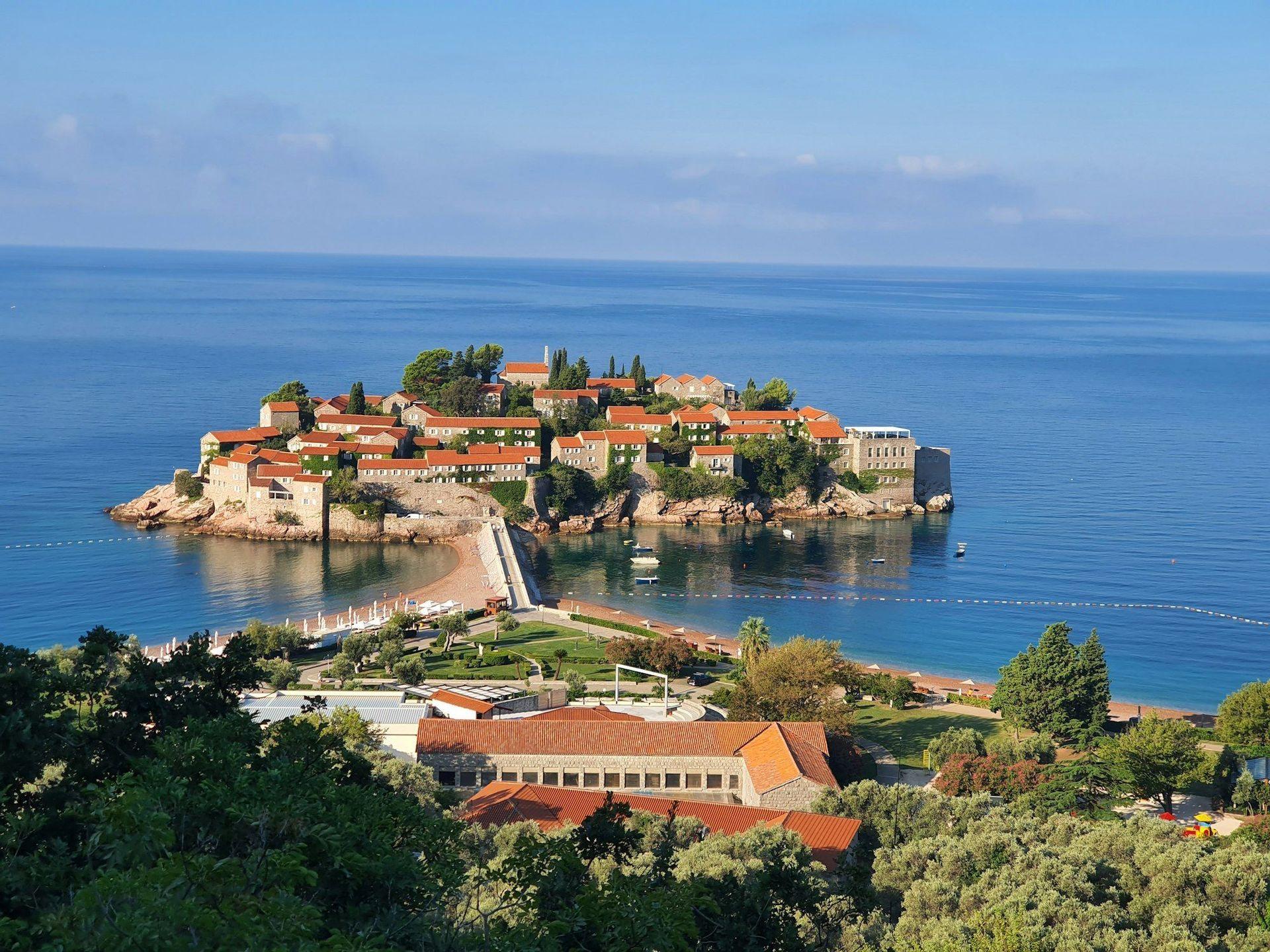
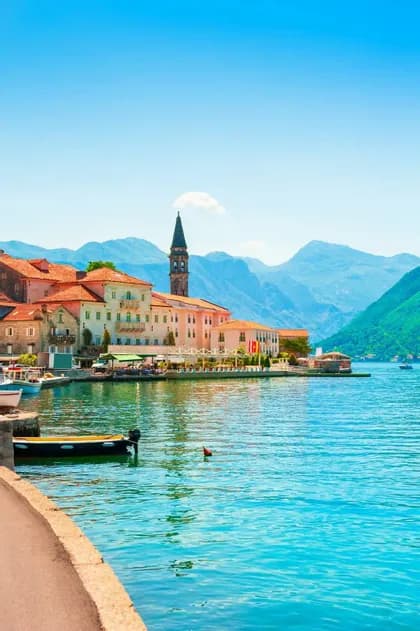
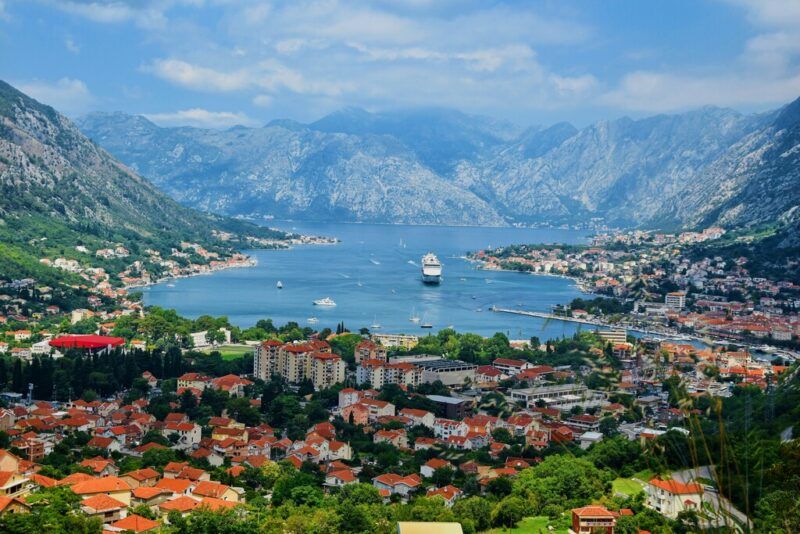
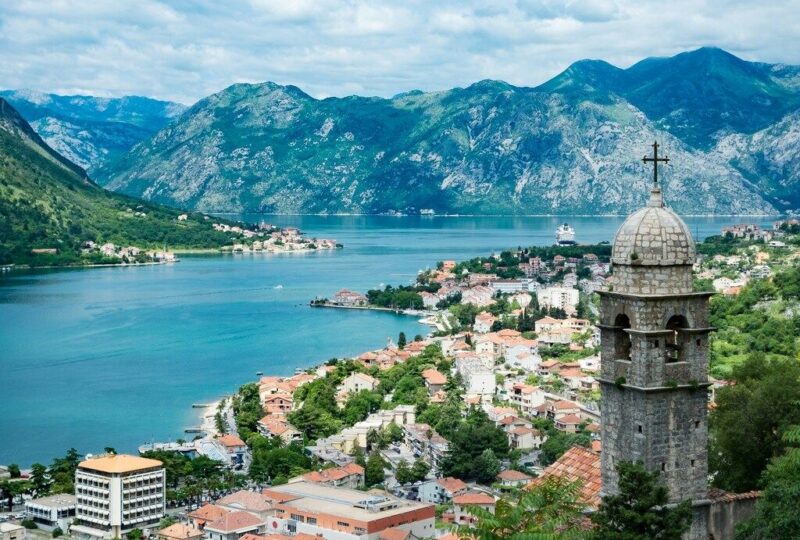
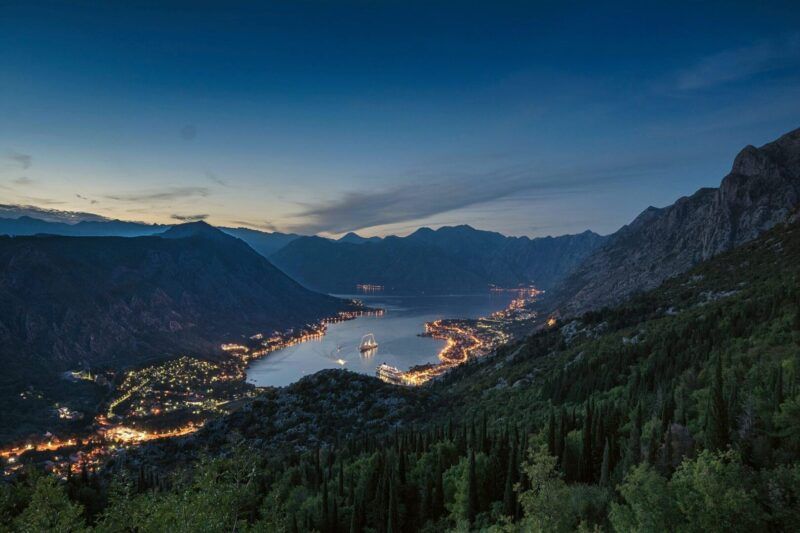
Montenegro is a compact Adriatic republic on the Balkan coast, blending fjord-like bays, karst mountains, and medieval Venetian towns into a country you can cross in a morning. It's celebrated for the Bay of Kotor, a network of national parks, and affordable adventure travel next door to pricier Croatia. Wander the UNESCO-listed old town of Kotor and climb its fortress walls, boat past Our Lady of the Rocks in Perast, hike Durmitor's Black Lake and the Tara River canyon, ski Kolasin in winter, and visit Cetinje's royal palaces. Explore the beach town of Budva and the island of Sveti Stefan. Try njegusi prosciutto, kacamak, and Vranac wine. Montenegro suits sailors, hikers, road-trippers, couples, and Balkan explorers combining it with Croatia or Albania.
Book with confidence
Book with $ 0
Lock in your spot and only pay once it's confirmed
Free changes
Switch dates or destination within 31 days, at no extra cost
Maximum Flexibility
New Flexible Cancellation! Cancel up to 24hrs before
Pay in installments
Spread the cost over time, interest-free

FAQs about Montenegro
Find out the entry requirements for Montenegro, and, if needed, apply for your visa through our partner Sherpa.
Before traveling, always remember to check the government website of your country of origin for updates on the entry requirements for Montenegro – you wouldn’t want to stay home due to a bureaucratic detail!
- UK residents: review the FCDO Travel Advice.
- US residents: consult the US Department of State Travel Advice.
- Other residents: refer to your government or local consulate's travel advice.
Montenegro is in the Central European Time (CET) zone, which is UTC+1. When it is 12 pm in the UK, it will be 1 pm in Montenegro. During daylight saving time, Montenegro switches to Central European Summer Time (CEST), which is UTC+2. So, if it is 12 pm in the UK, it will be 2 pm there.
If you are in the USA, keep in mind the time difference varies depending on your location. For example, if it is 12 pm Eastern Time, it will be 6 pm in Montenegro during standard time and 7 pm during daylight saving time.
Montenegro observes daylight saving time from the last Sunday in March to the last Sunday in October.
Montenegro uses the Euro as its official currency. Although Montenegro is not a member of the Eurozone, it adopted the Euro unilaterally. You can exchange GBP, USD, and EUR at local banks and exchange offices. The daily exchange rates can vary, but generally:
- 1 GBP is around 1.14 EUR
- 1 USD is about 0.95 EUR
- 1 EUR is 1 EUR
It's a good idea to check for the most current rates before traveling.
You can use credit cards, debit cards, and cash for payments in Montenegro. Most places accept major credit cards like Visa and Mastercard, but it's a good idea to have some cash on hand for smaller establishments, markets, or rural areas. ATMs are widely available in cities and towns. Note that Montenegro uses the euro, so if you're arriving from a non-euro country, you might want to exchange some currency before you go or use ATMs to withdraw euros upon arrival.
In Montenegro, tipping is appreciated but not mandatory. In restaurants, it's common to leave around 10% of the bill as a tip if you are satisfied with the service. When taking a taxi, you can round up the fare or add a small amount. In hotels, porters and housekeeping staff might appreciate a small tip for their services. Ultimately, tipping is at your discretion and based on the quality of service you receive.
In Montenegro, internet connectivity is generally good and Wi-Fi is widely available in hotels, cafes, and restaurants. While you can often rely on Wi-Fi, buying a local SIM card or an e-SIM data plan is a great option for staying connected on the go. Some popular providers are Telenor, M:tel, and Telekom. They offer various prepaid plans that are easy to set up. Keep in mind that Montenegro is not in the EU or Schengen area, so EU roaming charges may apply if you're using a SIM from a European country.
In Montenegro, the official language is Montenegrin. While traveling, you might hear or want to use some local expressions. Here are a few handy ones:
- Hello: Zdravo
- Thank you: Hvala
- Please: Molim
- Yes: Da
- No: Ne
Knowing a few words can enhance your travel experience, even though many people in tourist areas speak English.
In Montenegro, they use Type C and Type F plugs, which have two round pins. The standard voltage is 230V, and the frequency is 50Hz. If you're coming from a country that uses different plugs, like the UK or the USA, we suggest you bring a universal adapter to ensure your devices can be plugged in without any issues.
The main religion in Montenegro is Eastern Orthodoxy, largely followed by the Montenegrin Orthodox Church and the Serbian Orthodox Church. Other religions include Islam and Roman Catholicism.
Important religious holidays in Montenegro include:
- Orthodox Christmas on January 7th
- Easter, which is celebrated according to the Julian calendar
If visiting during these times, you might see various traditional celebrations and customs throughout the country.
Packing for Montenegro depends on the season and activities you plan to do. Here’s a helpful guide for your backpack:
-
Clothing:
- Lightweight shirts
- Shorts
- Long pants
- Light jacket or sweater
- Swimwear
-
Shoes:
- Comfortable walking shoes
- Sandals
- Water shoes (if planning to visit beaches or lakes)
-
Accessories and Technology:
- Sunglasses
- Hat
- Smartphone and charger
- Portable power bank
- Camera
-
Toiletries and Medication:
- Toothbrush and toothpaste
- Sunscreen
- Insect repellent
- Basic first-aid kit
- Common travel medication like pain relievers and motion sickness tablets
Montenegro has diverse landscapes, so pack for both coastal and mountainous areas if you plan to explore different regions.
Montenegro's weather varies by region, so here's a quick breakdown:
- Coastal areas: Mediterranean climate with hot, dry summers and mild, wet winters. Best time to visit is late spring (May-June) or early autumn (September-October).
- Central and northern regions: Continental climate with cold, snowy winters and warm summers. Late spring and early autumn are ideal for visiting, as the weather is pleasant and not too extreme.
Always check the specific area you're visiting for the most accurate forecast.