Group trips to Bosnia and Herzegovina
Our organized trips to Bosnia and Herzegovina
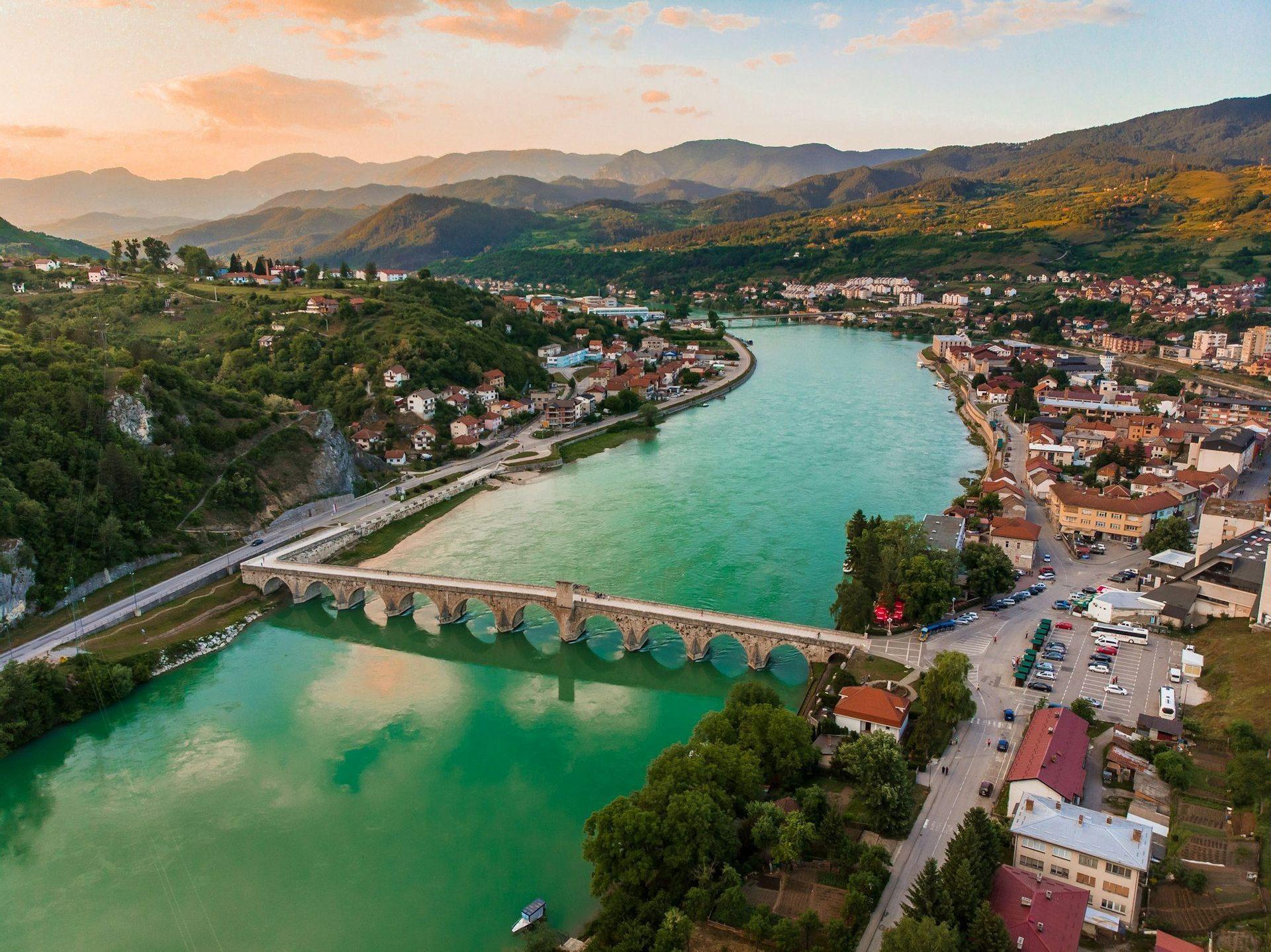
A hidden gem sparkling at the crossroads of Europe, Bosnia and Herzegovina invites discovery, revealing a mosaic of experiences unlike any other. It’s a land of breathtaking natural beauty and rich cultural heritage, where emerald rivers wind through ancient valleys and majestic mountains touch the sky, a true paradise for adventure seekers. Explore the bustling bazaars and grand Austro-Hungarian architecture of Sarajevo, a city where diverse traditions harmoniously converge, then journey to the charming Ottoman-era streets of Mostar, crowned by its iconic, UNESCO-listed Stari Most, a timeless symbol of graceful connection. Beyond these vibrant urban hearts, immerse yourself in the breathtaking cascade of the Kravica Waterfalls, a natural masterpiece. This captivating destination warmly welcomes those who crave authentic encounters, vibrant flavors, and unforgettable landscapes, promising a journey of profound discovery and warm hospitality.


FAQs about Bosnia and Herzegovina
Find out the entry requirements for Bosnia and Herzegovina, and, if needed, apply for your visa through our partner Sherpa.
Before traveling, always remember to check the government website of your country of origin for updates on the entry requirements for Bosnia and Herzegovina – you wouldn’t want to stay home due to a bureaucratic detail!
- UK residents: review the FCDO Travel Advice.
- US residents: consult the US Department of State Travel Advice.
- Other residents: refer to your government or local consulate's travel advice.
Bosnia and Herzegovina is in the Central European Time (CET) zone, which is UTC+During daylight saving time, it switches to Central European Summer Time (CEST), which is UTC+If it's 12pm in the UK, it will be 1pm in Bosnia and Herzegovina during standard time and 2pm during daylight saving time. If it's 12pm in New York, it will be 6pm during standard time and 7pm during daylight saving time in Bosnia and Herzegovina. Daylight saving time typically starts from the last Sunday in March to the last Sunday in October.
The currency used in Bosnia and Herzegovina is the Bosnia and Herzegovina Convertible Mark (BAM). The daily exchange rate varies, but as an example:
- 1 GBP is roughly 2.3 BAM
- 1 USD is about 1.8 BAM
- 1 EUR is approximately 1.95 BAM
You can exchange currency at banks, exchange offices, or sometimes at hotels. It's always a good idea to compare rates and check for any service fees.
You can pay in Bosnia and Herzegovina using cash, credit cards, and debit cards. Most places accept Visa and MasterCard, but American Express might not be as widely accepted. It's a good idea to carry some cash, especially for smaller shops or rural areas. You can withdraw money from ATMs using your card. Make sure to check with your bank about any international transaction fees.
Tipping in Bosnia and Herzegovina is appreciated but not mandatory. In restaurants, leaving a tip of around 10% of the bill is common if you received good service. For taxis, rounding up the fare is a nice gesture. Hotel staff, such as porters or housekeeping, would also appreciate a small tip for their services. Always check your bill first, as some places might already include a service charge.
In Bosnia and Herzegovina, internet access is generally good in urban areas, with Wi-Fi widely available in hotels, cafes, and restaurants. However, if you're planning to explore rural areas, consider getting a local SIM card or an e-SIM data plan for more reliable connectivity. Local providers like BH Telecom, m:tel, and HT Eronet offer SIM cards that you can purchase at the airport or in town. This way, you'll have internet access on the go, without relying solely on Wi-Fi.
In Bosnia and Herzegovina, they speak Bosnian, Croatian, and Serbian. You'll find that many people understand English, especially in tourist areas. Here are a few useful expressions you might hear or use:
- Hello: Zdravo
- Thank you: Hvala
- Please: Molim
- Yes: Da
- No: Ne
These phrases will help you get by, but don't worry, people are generally friendly and willing to help out if you need it.
Bosnia and Herzegovina uses Type C and Type F plugs, which have two round pins. The standard voltage is 230V with a frequency of 50Hz. If your devices use a different plug type, it's a good idea to bring a universal adapter to keep your gadgets charged and ready to go.
The main religion in Bosnia and Herzegovina is Islam, followed by a significant number of Orthodox Christians and Catholics. When visiting, especially in more conservative areas, it's respectful for women to dress modestly by covering shoulders and knees. Important religious holidays include:
- Ramadan and Eid al-Fitr for Muslims
- Christmas and Easter for Orthodox Christians and Catholics
During these times, you might experience closures of shops and services, so plan accordingly.
When you're packing for Bosnia and Herzegovina, consider both the season and the activities you plan to enjoy. Here's a handy list to get your backpack ready:
-
Clothing:
- Lightweight tops and shorts for summer
- Warm layers like sweaters and jackets for cooler months
- Waterproof jacket, just in case of rain
- Swimsuit if heading to lakes or pools
-
Shoes:
- Comfortable walking shoes for city exploration
- Sturdy hiking boots for trails
- Sandals for warmer weather or beach visits
-
Accessories and Technology:
- Power bank to keep devices charged
- Camera or smartphone for capturing memories
- Universal adapter for plug compatibility
- Sunglasses and hat for sun protection
-
Toiletries and Medication:
- Basic toiletries like toothpaste and shampoo
- Sunscreen to protect against sunburn
- Insect repellent for outdoor activities
- Common travel medication like pain relievers, allergy tablets, and motion sickness pills
Packing these essentials will help ensure a comfortable and enjoyable trip to Bosnia and Herzegovina.
Bosnia and Herzegovina has a diverse climate depending on the region:
- Coastal areas, like Neum, enjoy a Mediterranean climate with hot, dry summers and mild, wet winters. The best time to visit is between May and September.
- Inland areas, including Sarajevo, have a continental climate, featuring hot summers and cold, snowy winters. The ideal time to visit is from May to September.
Keep in mind that the weather can vary, so it's always a good idea to check the forecast before you pack your backpack.