Group trips to Poland
Our organized trips to Poland
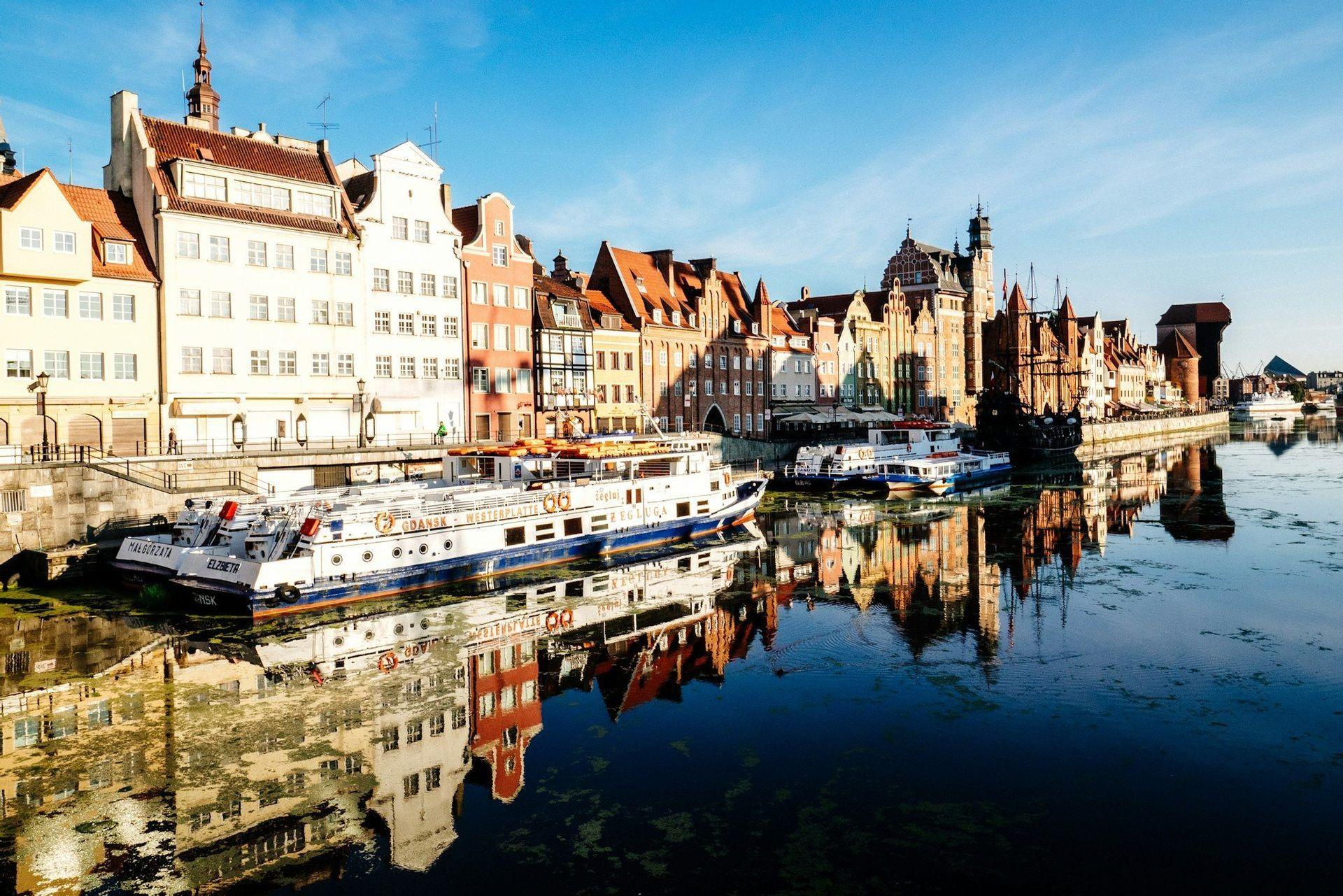
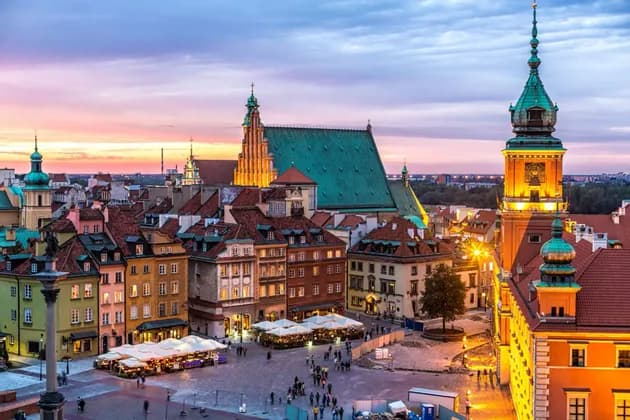
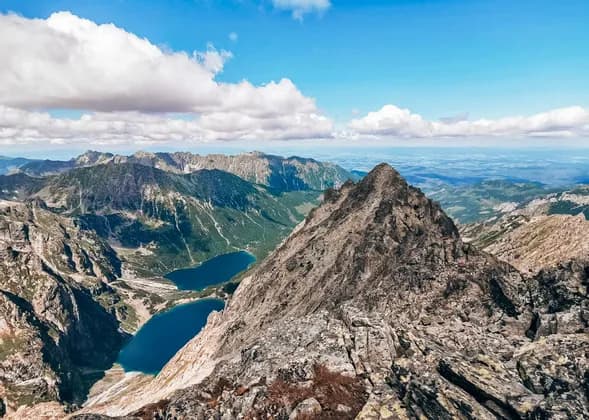
Prepare to be wonderfully surprised by Poland, a country where timeless heritage beautifully intertwines with dynamic modernity, inviting you to discover its vibrant spirit. From the fairytale ambiance of Kraków's Royal Castle and its bustling medieval market square, to the architecturally stunning and culturally rich capital of Warsaw, and the pristine wilderness of the Tatra Mountains offering exhilarating outdoor adventures, Poland presents a kaleidoscope of experiences. It's a land perfect for the curious explorer and the gourmet adventurer alike, promising unparalleled hospitality, innovative cuisine, and a captivating journey through its profoundly rich and wonderfully diverse tapestry.


FAQs about Poland
Find out the entry requirements for Poland, and, if needed, apply for your visa through our partner Sherpa.
Before traveling, always remember to check the government website of your country of origin for updates on the entry requirements for Poland – you wouldn’t want to stay home due to a bureaucratic detail!
- UK residents: review the FCDO Travel Advice.
- US residents: consult the US Department of State Travel Advice.
- Other residents: refer to your government or local consulate's travel advice.
Poland is in the Central European Time (CET) zone, which is UTC+1. During daylight saving time, it switches to Central European Summer Time (CEST), which is UTC+2.
If it is 12 pm in the UK, it will be 1 pm in Poland. If it is 12 pm in New York, USA, it will be 6 pm in Poland.
Daylight saving time in Poland typically starts on the last Sunday in March and ends on the last Sunday in October.
Poland uses the Polish Zloty (PLN) as its currency. The daily exchange rate can vary, but it's usually around:
- 1 GBP = 5.3 PLN
- 1 USD = 4.1 PLN
- 1 EUR = 4.6 PLN
You can exchange currency at banks, exchange offices called kantor, or withdraw local currency from ATMs.
In Poland, you can pay using cash, credit cards, and mobile payments.
- Credit and debit cards like Visa and Mastercard are widely accepted, especially in cities.
- Mobile payments such as Apple Pay and Google Pay are also popular options.
However, it's a good idea to carry some cash for smaller shops or markets that might not accept cards. ATMs are readily available for withdrawing Polish złoty.
Tipping in Poland is appreciated but not strictly mandatory. In restaurants, it's common to leave around 10% of the bill if the service was good. In taxis, you can round up to the nearest whole number. For hotel staff, a small tip is a nice gesture for good service. Remember, tipping in cash is usually preferred, and it's best to hand it directly to the person you want to tip.
In Poland, internet access is generally quite good. If you're traveling from Europe or the Schengen area, you can use your roaming plan. However, if you're from outside these areas, buying a local SIM or e-SIM data plan could be a smart move for staying connected. Popular providers include Orange, Play, and T-Mobile.
Wi-Fi is widely available in most urban areas, with cafes, hotels, and restaurants often offering free Wi-Fi. Public places like shopping malls and train stations usually have it too, so you should find it easy to stay online during your trip.
In Poland, the official language is Polish. While traveling there, you might hear or use some useful colloquial expressions:
- Hello: Cześć
- Thank you: Dziękuję
- Please: Proszę
- Yes: Tak
- No: Nie
Knowing a few phrases can make your trip more enjoyable, as locals appreciate the effort!
In Poland, they use Type C and Type E plugs. The standard voltage is 230V, and the frequency is 50Hz. If your devices don't match these plug types, we suggest bringing a universal adapter to ensure your electronics can be charged.
Poland's main religion is Roman Catholicism, with the majority of the population identifying as Catholic. While Poland is predominantly Catholic, there are also small communities of other faiths, including:
- Protestant
- Orthodox
- Jewish communities
Important religious holidays in Poland include Christmas, Easter, and All Saints' Day. During these times, you may experience special events and traditions, which can be a unique cultural experience. Keep in mind that many shops and businesses might close or have reduced hours on these holidays.
For a trip to Poland, it's a good idea to pack for various weather conditions, especially if you'll be exploring different regions. Here's a handy list to help you prepare your backpack:
-
Clothing:
- Light layers for spring and fall
- Warm sweaters and a winter coat for winter
- T-shirts and shorts for summer
- Raincoat or waterproof jacket
-
Shoes:
- Comfortable walking shoes
- Waterproof boots for wet or snowy conditions
- Sandals for warmer months
-
Accessories and Technology:
- Universal adapter (Poland uses Type C and E plugs)
- Portable charger
- Camera or smartphone for photos
- Sunglasses and a hat for summer
-
Toiletries and Medication:
- Basic toiletries like toothbrush, toothpaste, and deodorant
- Sunscreen
- Travel-sized shampoo and conditioner
- Common travel medication, like motion sickness pills or pain relievers
Poland's weather can be unpredictable, so being prepared for different conditions will make your trip more enjoyable.
The weather in Poland can vary quite a bit depending on the region and time of year. Here's a general idea:
- Coastal areas: Mild summers and winters, with some rain. Summer temperatures average around 20°C.
- Central Poland: Warm summers around 25°C, cold winters that often drop below freezing.
- Mountains: Cooler with more snow in winter, great for skiing.
The best time to visit is late spring (May-June) and early autumn (September), when the weather is pleasant and crowds are smaller.