Group trips to Switzerland
Our organized trips to Switzerland
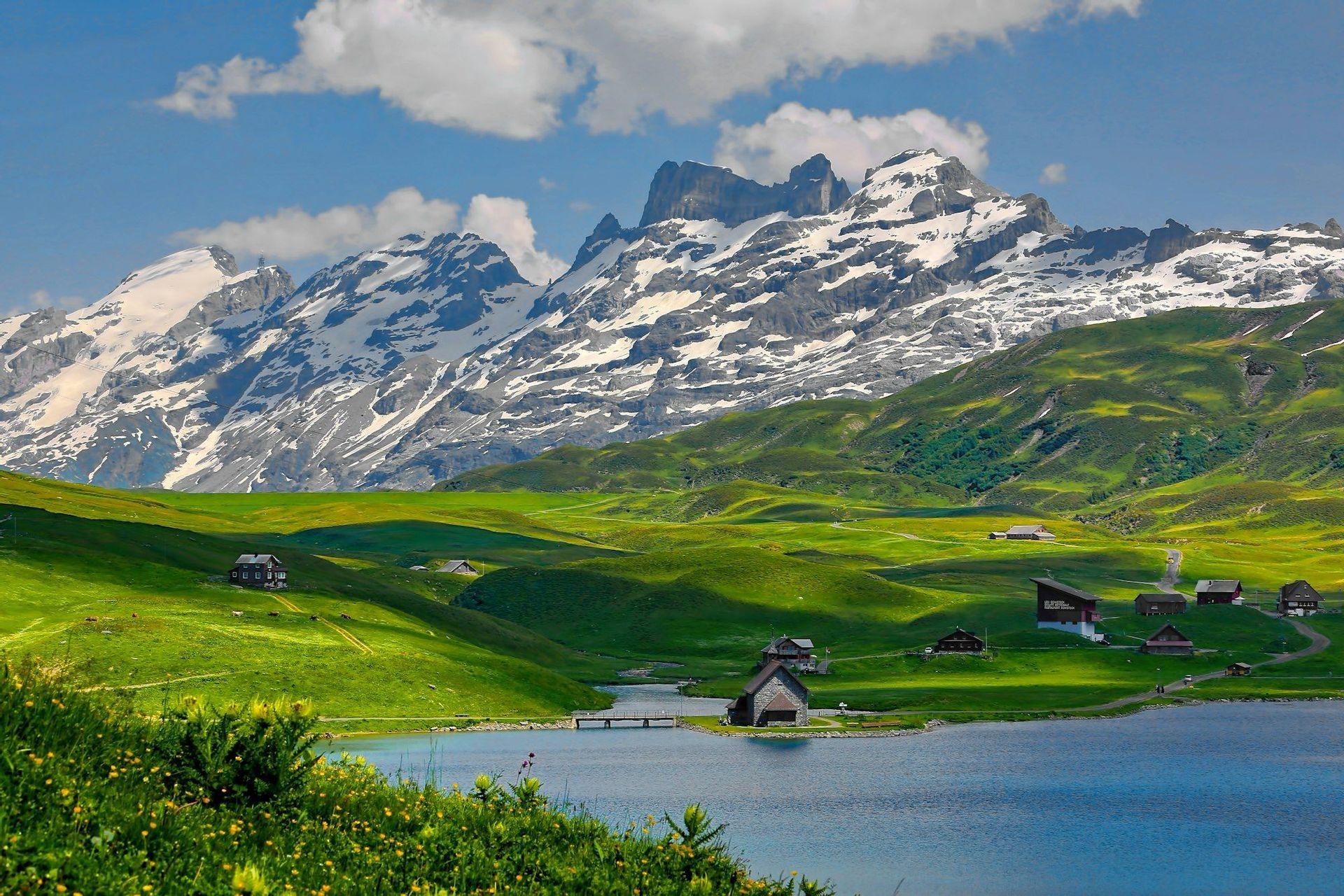
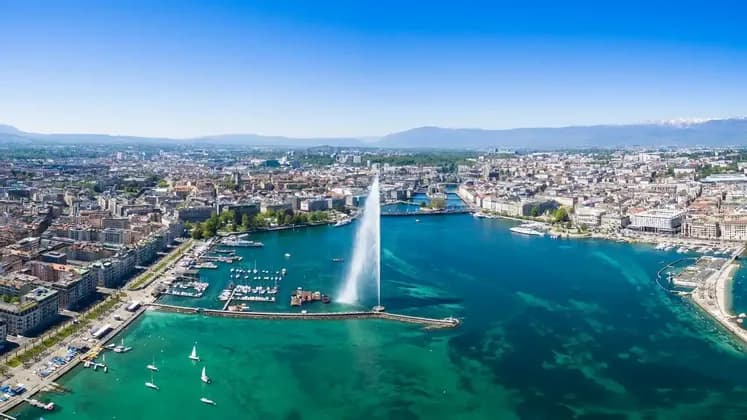
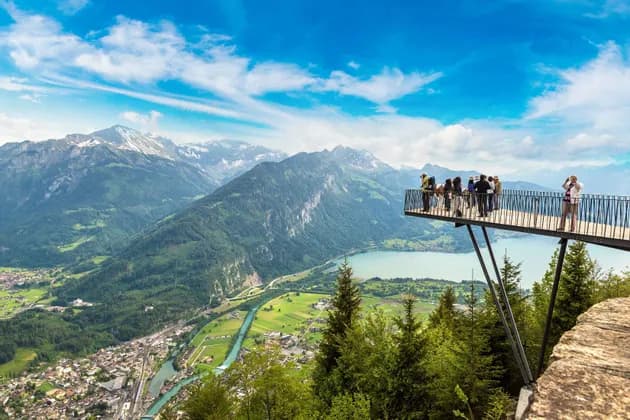
More than just a panorama, Switzerland unfolds as a realm where pristine alpine majesty meets sophisticated urban charm. From the breathtaking peaks of the iconic Matterhorn, inviting adventurers and dreamers to touch the sky, to the serene, cultured shores of Lake Geneva and the enchanting, historic bridges of Lucerne, this land offers an unparalleled tapestry of experiences. It is a destination for discerning travelers eager to immerse themselves in natural grandeur, explore vibrant cities, and discover a heritage of precision, innovation, and timeless beauty.


FAQs about Switzerland
Find out the entry requirements for Switzerland, and, if needed, apply for your visa through our partner Sherpa.
Before traveling, always remember to check the government website of your country of origin for updates on the entry requirements for Switzerland – you wouldn’t want to stay home due to a bureaucratic detail!
- UK residents: review the FCDO Travel Advice.
- US residents: consult the US Department of State Travel Advice.
- Other residents: refer to your government or local consulate's travel advice.
Switzerland is in the Central European Time (CET) zone. When it's 12pm in the UK, it will be 1pm in Switzerland. If you're in the USA, time differences can vary: for Eastern Time, when it's 12pm there, it will be 6pm in Switzerland. Switzerland also observes daylight saving time, so clocks are set forward one hour in late March and back one hour in late October. Always check the current local time during your visit to ensure you’re on schedule!
Switzerland uses the Swiss Franc (CHF) as its currency. The daily exchange rate is approximately:
- 0.87 GBP
- 1.10 USD
- 0.98 EUR to 1 CHF
However, rates can vary, so it's good to check before you go. You can exchange currency at banks, exchange offices, and some hotels in Switzerland.
Credit and debit cards are widely accepted in Switzerland, so you can comfortably use Visa, Mastercard, and American Express in most places. Mobile payments like Apple Pay and Google Pay are also popular. However, it's always a good idea to have some Swiss Francs (CHF) on hand for smaller vendors or rural areas where card payments might not be available. ATMs are common, and you can easily withdraw cash if needed. Remember, some smaller businesses might not accept cards for small amounts, so having cash can be handy.
In Switzerland, tipping is not mandatory, as service charges are typically included in your bill. However, it's common to round up the bill or leave a small tip as a gesture of appreciation if you received exceptional service. For example, if your bill is 18.50 Swiss Francs, you might round it up to 20 Swiss Francs. In restaurants, a 5-10% tip is considered generous. For taxi drivers and hotel staff, rounding up is appreciated. Remember, tipping is entirely at your discretion and not expected.
In Switzerland, you're covered when it comes to internet access. Since it's part of the Schengen area, you can use your mobile roaming if you're from Europe. For non-European travelers, you might want to grab a local SIM card or an e-SIM data plan for more affordable rates. Providers like Swisscom, Sunrise, and Salt offer good options. Wi-Fi is widely available in hotels, cafes, and public spots, so staying connected shouldn't be a problem.
In Switzerland, there are four official languages: German, French, Italian, and Romansh. Depending on the region, you'll hear different languages. Here are some useful expressions you might encounter or use:
- Good morning in German: Guten Morgen
- Good morning in French: Bonjour
- Good morning in Italian: Buongiorno
- Thank you in German: Danke
- Thank you in French: Merci
- Thank you in Italian: Grazie
- Please in German: Bitte
- Please in French: S'il vous plaît
- Please in Italian: Per favore
When traveling in Switzerland, knowing a few phrases in these languages can be very helpful.
In Switzerland, you'll find Type J plugs, which have three round prongs. The standard voltage is 230 V, and the frequency is 50 Hz. If your devices aren't compatible with these plugs, we suggest bringing a universal adapter to ensure you can charge your gadgets easily. Keep in mind that some appliances might need a voltage converter if they don't support 230 V.
In Switzerland, the main religion is Christianity, with the majority of the population being Roman Catholic or Protestant. Other religions are also practiced, including Islam and Judaism. Switzerland is known for its religious diversity and tolerance. Important religious holidays include Easter and Christmas, which are widely celebrated across the country. Remember that religious practices and the prominence of different religions can vary by region within Switzerland.
Switzerland offers stunning landscapes and diverse weather, so it's good to be prepared for different conditions. Here's what you should pack in your backpack:
-
Clothing:
- Warm sweater or fleece
- Waterproof jacket
- T-shirts
- Long pants
- Shorts (for summer)
- Thermal wear (for winter)
-
Shoes:
- Comfortable walking shoes
- Hiking boots (if you plan to hike)
- Sandals (for warmer days)
-
Accessories and Technology:
- Sunglasses
- Power bank
- Universal travel adapter
- Camera or smartphone
-
Toiletries and Medication:
- Travel-sized shampoo and soap
- Toothbrush and toothpaste
- Sunscreen
- Basic first aid kit
- Pain relievers, allergy meds, or any personal medication
Switzerland can be chilly even in summer, especially in the mountains, so layering is key.
Switzerland's weather can vary greatly depending on the region and time of year. Here's a quick breakdown:
- Northern Switzerland (Zurich, Basel): Generally cooler with mild summers and cold winters. Best to visit from May to September for pleasant weather.
- Central Switzerland (Lucerne, Interlaken): Similar to the north, with warm summers and snowy winters. June to August is ideal for outdoor activities.
- Southern Switzerland (Ticino): Warmer and more Mediterranean climate, with hot summers and mild winters. Great to visit from April to October.
- Alpine regions: Expect colder temperatures and snow, especially from December to March, ideal for skiing.
The best time to visit generally depends on your interests, whether you’re into winter sports or prefer hiking and exploring during the warmer months.