Group trips to Svalbard Jan Mayen
Our organized trips to Svalbard Jan Mayen
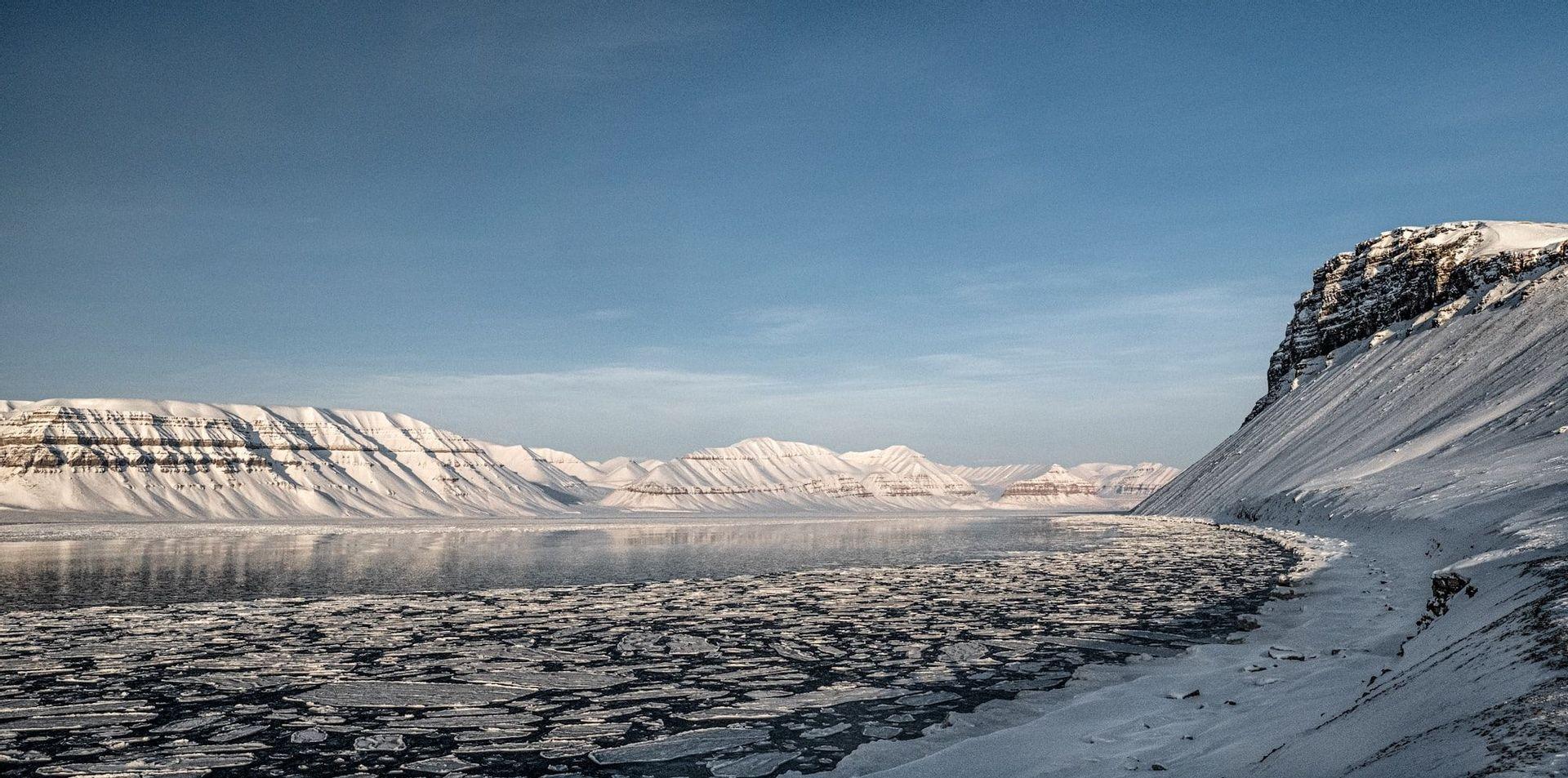
Svalbard and Jan Mayen is a Norwegian Arctic territory where jagged mountains, blue glaciers, and polar-night skies surround a tiny, internationally governed population on the seventy-eighth parallel. It's one of the easiest places on Earth to experience high-Arctic wilderness, polar bears, and the northern lights without leaving scheduled transport. Sail the fjords of Spitsbergen by expedition ship, snowmobile across Adventdalen, dogsled to an ice cave, visit the Global Seed Vault and the old mining town of Longyearbyen, and, in summer, cruise to bird cliffs and walrus haul-outs. Watch for reindeer, beluga, and the midnight sun from April through August. It suits polar adventurers, photographers, wildlife enthusiasts, and bucket-list travelers who don't flinch at sub-zero temperatures.

Book with confidence
Book with $ 0
Lock in your spot and only pay once it's confirmed
Free changes
Switch dates or destination within 31 days, at no extra cost
Maximum Flexibility
New Flexible Cancellation! Cancel up to 24hrs before
Pay in installments
Spread the cost over time, interest-free
FAQs about Svalbard Jan Mayen
Find out the entry requirements for Svalbard Jan Mayen, and, if needed, apply for your visa through our partner Sherpa.
Before traveling, always remember to check the government website of your country of origin for updates on the entry requirements for Svalbard Jan Mayen – you wouldn’t want to stay home due to a bureaucratic detail!
- UK residents: review the FCDO Travel Advice.
- US residents: consult the US Department of State Travel Advice.
- Other residents: refer to your government or local consulate's travel advice.
Svalbard and Jan Mayen are in the Central European Time Zone (CET), which is UTC+1. They also observe daylight saving time, shifting to Central European Summer Time (CEST), which is UTC+2.
- If it is 12pm in the UK (GMT), it will be 1pm in Svalbard and Jan Mayen during standard time, and 2pm during daylight saving time.
- If it is 12pm in New York (EST), it will be 6pm in Svalbard and Jan Mayen during standard time, and 7pm during daylight saving time.
Keep in mind the time change when planning your trip!
The currency used in Svalbard and Jan Mayen is the Norwegian Krone (NOK). The daily exchange rate is approximately:
- 1 GBP = 13 NOK
- 1 USD = 11 NOK
- 1 EUR = 11.5 NOK
You can exchange currency at banks or currency exchange offices in Norway before heading to these remote areas.
Credit cards and debit cards are widely accepted in Svalbard and Jan Mayen, especially in Longyearbyen, the largest settlement. It's a good idea to carry some cash for smaller establishments or remote areas. Cash is accepted in Norwegian Krone (NOK). While there are ATMs in Longyearbyen, they might be limited in more isolated areas, so plan ahead. Always check with your bank about international transaction fees before you travel.
Tipping in Svalbard and Jan Mayen is not customary, but it's appreciated for good service. If you want to tip, rounding up the bill or adding a small amount is a nice gesture. Remember, tipping is entirely up to you and not expected. If you choose to tip, it will be warmly received.
In Svalbard, internet access is relatively good with Wi-Fi widely available in hotels, cafes, and public places, so you might not need a local SIM card if you're staying connected in these areas. However, mobile coverage can be limited outside the main settlements.
For Jan Mayen, internet access is much more restricted, mainly available in specific areas like research stations, and there's no mobile network coverage. Since both locations are outside the EU, you won't benefit from EU roaming. We suggest buying a local SIM or an e-SIM data plan for Norway if you need reliable mobile data. Providers like Telenor and Telia offer good options.
In Svalbard and Jan Mayen, the official language is Norwegian. Here are some useful Norwegian expressions you might hear or use:
- Hello: Hei
- Thank you: Takk
- Please: Vær så snill
- Yes: Ja
- No: Nei
- Excuse me/Sorry: Unnskyld
In Svalbard and Jan Mayen, the plugs used are Type F, which are the same as in mainland Europe. The voltage is 230V, and the frequency is 50Hz. If you're coming from the UK, the USA, or other countries with different plug types, you should bring a universal adapter to use your devices. This will ensure your gadgets stay charged while you're exploring these remote places.
The main religion in Svalbard and Jan Mayen is Christianity. Due to their small populations, religious practice isn't as prominent as in larger regions. There aren't any major religious holidays specifically observed in these territories beyond the standard Christian ones, such as Christmas and Easter. Given the unique setting, you'll find that cultural and community gatherings are more prominent than formal religious ceremonies.
Heading to Svalbard and Jan Mayen means preparing for cold and possibly challenging weather. Here's a handy list of what to pack in your backpack:
-
Clothing:
- Thermal layers
- Waterproof and windproof jacket
- Warm sweater or fleece
- Insulated pants
- Thermal socks
- Hat and gloves
-
Shoes:
- Sturdy waterproof boots
- Warm insulated liners
- Slippers for indoor use
-
Accessories and Technology:
- Sunglasses with UV protection
- Camera with extra batteries
- Portable charger
- Binoculars
-
Toiletries and Medication:
- Moisturizer and lip balm for dry skin
- Sunscreen
- Basic first-aid kit
- Common travel medication like pain relievers, anti-nausea, and anti-diarrheal pills
Make sure you're prepared for the unique arctic conditions!
The weather in Svalbard and Jan Mayen is quite varied due to their Arctic location.
- Svalbard: Winters are long, dark, and cold with temperatures often below freezing, while summers are short and cool, averaging around 5 to 10°C. Snow and icy conditions are common, especially in winter. The best time to visit is during the summer months, from June to August, when you can enjoy milder weather and the midnight sun.
- Jan Mayen: The climate here is much milder compared to Svalbard, with temperatures rarely dropping below -3°C in winter and reaching up to 5°C in summer. Expect frequent fog, rain, and strong winds. The best time to visit is from June to August for more favorable weather conditions.