Group trips to Croatia
Our organized trips to Croatia
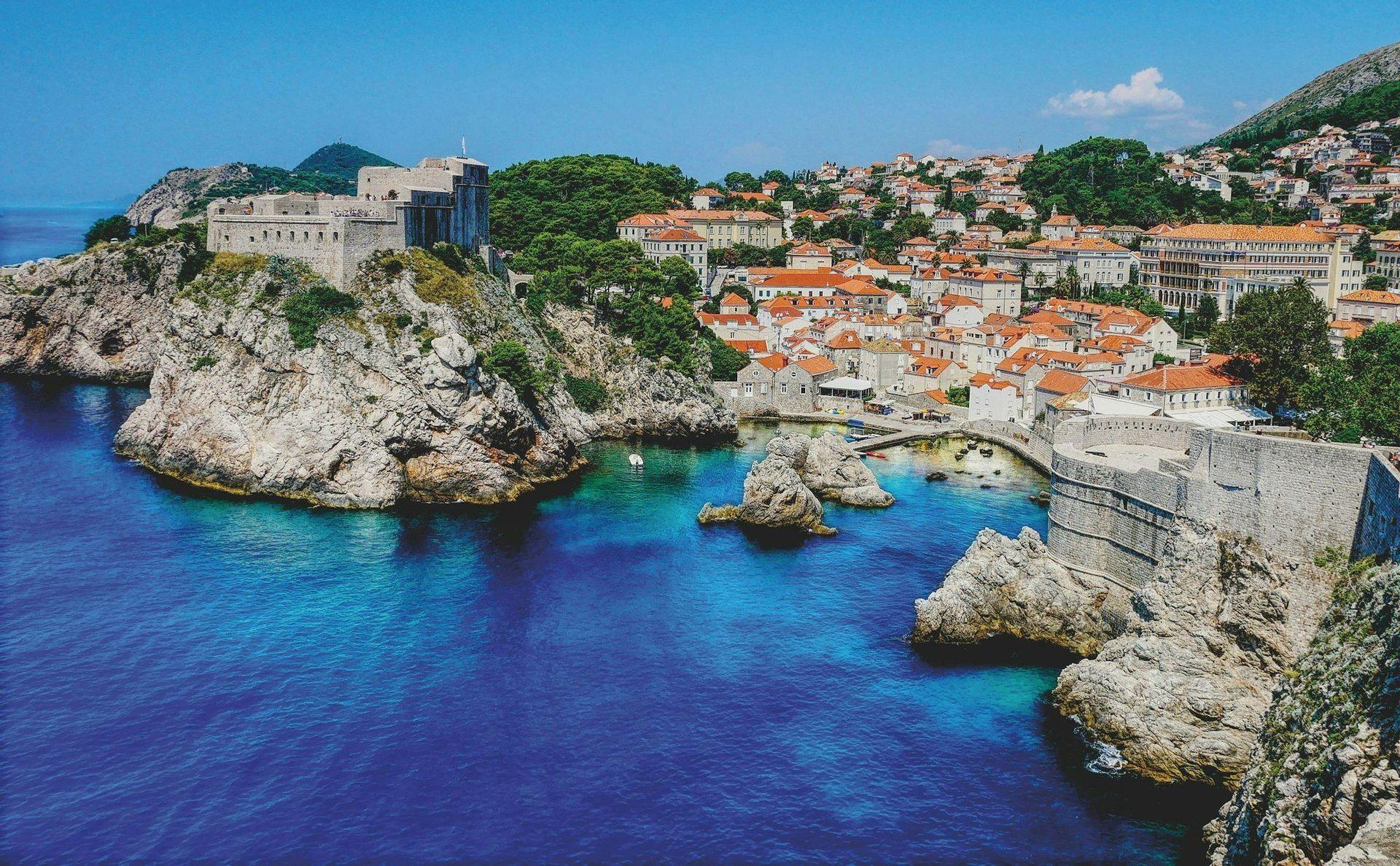
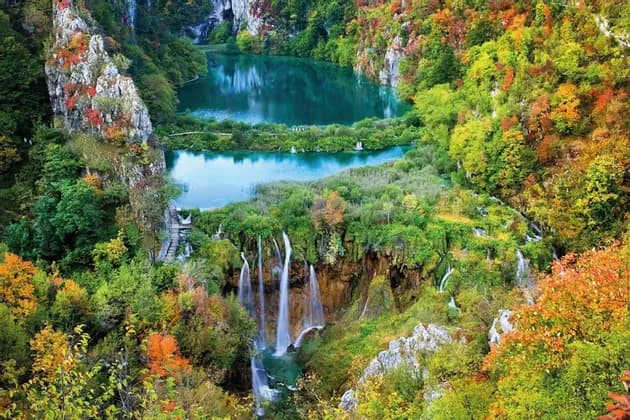
Croatia, a destination where the crystalline Adriatic Sea meets a land brimming with unforgettable beauty and ancient marvels, offers a mosaic of experiences for every curious heart. From the breathtaking, terraced lakes and cascading waterfalls of Plitvice Lakes National Park to the majestic, centuries-old walls of Dubrovnik, a UNESCO World Heritage gem, and the sophisticated allure of the island of Hvar, this country presents an exquisite blend of natural wonders and rich cultural tapestry. It is an ideal escape for the discerning traveler, eager to explore vibrant history, indulge in pristine landscapes, and discover the dynamic spirit of a truly captivating Mediterranean gem.


FAQs about Croatia
Find out the entry requirements for Croatia, and, if needed, apply for your visa through our partner Sherpa.
Before traveling, always remember to check the government website of your country of origin for updates on the entry requirements for Croatia – you wouldn’t want to stay home due to a bureaucratic detail!
- UK residents: review the FCDO Travel Advice.
- US residents: consult the US Department of State Travel Advice.
- Other residents: refer to your government or local consulate's travel advice.
Croatia is in the Central European Time (CET) zone. When it's 12pm in the UK, it will be 1pm in Croatia. For the USA, if it's 12pm Eastern Standard Time (EST), it will be 6pm in Croatia. Croatia also observes daylight saving time, so during the summer months, they switch to Central European Summer Time (CEST), which is one hour ahead of CET.
Croatia uses the Euro (EUR) as its currency. You can exchange your GBP, USD, or EUR at banks, exchange offices, or some hotels. It's a good idea to compare rates for the best deal. Keep an eye out for ATMs, which are widely available and often offer competitive exchange rates.
In Croatia, you can pay using cash, credit or debit cards, and mobile payment apps. Credit and debit cards are widely accepted, especially in cities and tourist areas. Visa and MasterCard are the most commonly accepted, but it's always a good idea to have some cash on hand for smaller businesses or rural areas. Mobile payment options like Apple Pay and Google Pay are becoming more popular, so you might find them useful too. Make sure your card provider is aware of your travel plans to avoid any issues with transactions.
Tipping in Croatia is appreciated but not mandatory. In restaurants, it is common to leave a tip of around 10% if you’re happy with the service. For cafes or bars, rounding up the bill or leaving some loose change is a nice gesture. Taxi drivers and hotel staff like bellhops or housekeeping might also appreciate a small tip for good service. While tipping is not obligatory, it’s a kind way to show gratitude for good service.
In Croatia, mobile internet is generally fast and reliable. If you're coming from Europe or the Schengen area, you can use your existing data plan thanks to roaming agreements. For travelers from outside these regions, buying a local SIM card or an e-SIM data plan is a great option. Leading providers include Hrvatski Telekom, A1, and Telemach, offering various data packages. Wi-Fi is widely available in hotels, cafes, and restaurants, especially in tourist areas. However, for consistent connectivity while exploring, a local SIM card is handy.
In Croatia, the official language is Croatian. Here are some useful expressions you might hear or use while traveling there:
- Hello: Bok
- Please: Molim
- Thank you: Hvala
- Yes: Da
- No: Ne
Croatian is a Slavic language, so you might notice some similarities if you've encountered other Slavic languages. These basic phrases should help you navigate through everyday interactions.
In Croatia, you'll find Type C and Type F plugs, which are common across much of Europe. Both have two round pins. The voltage is 230V with a frequency of 50Hz. If you're coming from the UK, USA, or other countries with different plug types, we suggest bringing a universal adapter to ensure your devices can be plugged in without any issues.
The main religion in Croatia is Roman Catholicism. It's a significant part of the culture and many public holidays are based on the Catholic calendar.
Important religious holidays include:
- Easter: Usually celebrated in March or April
- Christmas: Celebrated on December 25
- Assumption of Mary: Celebrated on August 15
Remember that some local customs and festivities might be related to these religious celebrations.
Packing for Croatia can be straightforward, but it’s good to be prepared for both coastal and inland adventures. Here’s what you should put in your backpack:
-
Clothing:
- Light t-shirts and shorts for the summer
- A light sweater or jacket for cooler evenings
- Swimwear for those beautiful beaches
- Casual outfits for dining out
-
Shoes:
- Comfortable walking shoes or sandals
- Flip-flops for the beach
- Hiking shoes if you plan to explore national parks
-
Accessories and Technology:
- Sunglasses and a hat for sun protection
- A universal travel adapter for your electronics
- A power bank to keep your devices charged
- A camera or smartphone to capture the sights
-
Toiletries and Medication:
- Sunscreen and after-sun lotion
- Basic toiletries like toothpaste, shampoo, and deodorant
- Travel medications such as pain relievers, antihistamines, and motion sickness tablets
Make sure you have everything you need to enjoy the sun, sea, and beautiful landscapes of Croatia!
Croatia's weather can vary depending on the region, so here's a quick breakdown:
- Coastal areas: Enjoy a Mediterranean climate with hot, dry summers and mild, wet winters. The best time to visit is from May to September, when the weather is sunny and warm.
- Inland areas: Experience a continental climate with hot summers and cold, snowy winters. If you prefer milder temperatures, late spring and early fall are ideal times to visit.
- Mountain regions: Expect cooler temperatures year-round, with snow in the winter. Summer is great for hiking, while winter is perfect for skiing.
For a beach holiday, aim for the summer months, but if you're exploring cities or hiking, spring and fall are lovely.