Group trips to North Macedonia
Our organized trips to North Macedonia
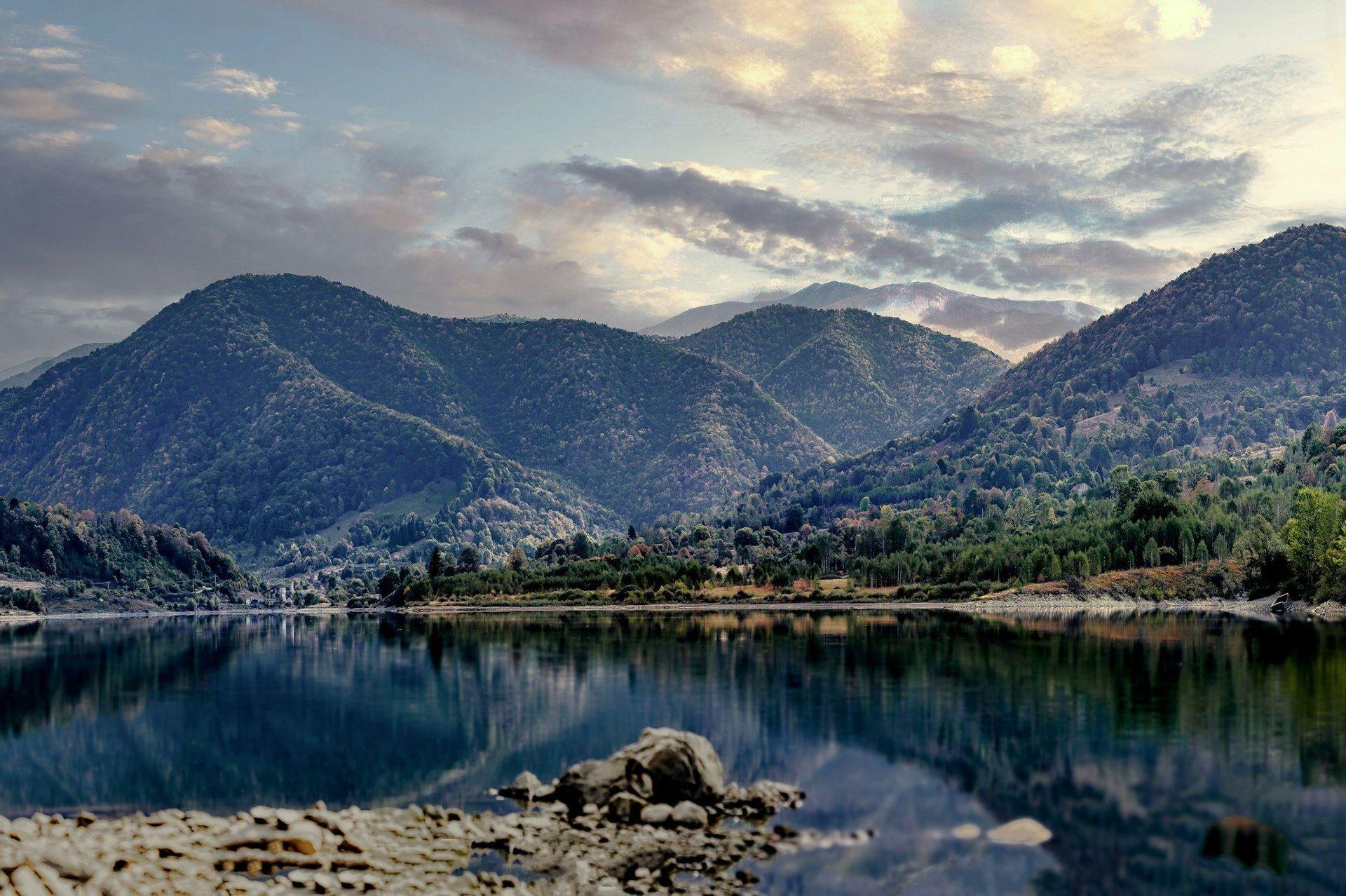
Beyond the familiar, North Macedonia emerges as a captivating canvas of ancient wonders and pristine natural beauty, a truly enchanting heart of the Balkans that surprises at every turn. From the UNESCO-listed city of Ohrid, where sparkling waters meet centuries of spiritual heritage and vibrant lakeside life, to the dynamic capital of Skopje, bustling with contemporary energy and Ottoman charm, the land pulsates with stories. Venture into the majestic landscapes of Mavrovo National Park, a haven for adventurers seeking untamed peaks and serene forests, or explore countless vineyards producing world-class wines. This remarkable destination beckons to discerning travelers and curious explorers ready to immerse themselves in a welcoming culture and authentic Balkan allure, discovering a hidden gem that promises both profound history and exhilarating outdoor pursuits.


FAQs about North Macedonia
Find out the entry requirements for North Macedonia, and, if needed, apply for your visa through our partner Sherpa.
Before traveling, always remember to check the government website of your country of origin for updates on the entry requirements for North Macedonia – you wouldn’t want to stay home due to a bureaucratic detail!
- UK residents: review the FCDO Travel Advice.
- US residents: consult the US Department of State Travel Advice.
- Other residents: refer to your government or local consulate's travel advice.
North Macedonia is in the Central European Time (CET) zone, which is UTC+During daylight saving time, which typically runs from the last Sunday in March to the last Sunday in October, North Macedonia switches to Central European Summer Time (CEST), which is UTC+2.
So, if it is 12pm in the UK, it will be 1pm in North Macedonia during standard time and 2pm during daylight saving time. In the USA, if it is 12pm on the East Coast, it will be 6pm during standard time and 7pm during daylight saving time in North Macedonia.
North Macedonia uses the Macedonian denar (MKD) as its currency. As of the latest rates:
- 1 GBP is approximately 70 MKD
- 1 USD is around 58 MKD
- 1 EUR is about 61 MKD
You can exchange currency at banks, exchange offices, and some hotels in major cities. It's a good idea to check for the most current exchange rates before you travel.
In North Macedonia, you can pay using cash, credit cards, and debit cards. Major credit cards like Visa and MasterCard are widely accepted in most hotels, restaurants, and shops, though smaller vendors might prefer cash. It's a good idea to carry some cash for small purchases or if you're visiting rural areas. ATMs are available in cities and towns, and they usually accept international cards. Always inform your bank of your travel plans to avoid any issues with card transactions.
Tipping in North Macedonia is appreciated but not mandatory. In restaurants, you might consider leaving a tip of around 10 percent of the total bill if you are happy with the service. For taxi drivers, rounding up the fare is a nice gesture. Hotel staff, such as porters or housekeeping, usually receive tips of a few euros for their services. Remember, tipping is entirely at your discretion and depends on the service you receive.
In North Macedonia, while you will find Wi-Fi in many hotels, cafes, and restaurants, it might not always be reliable or fast. For more consistent internet access, especially if you plan to use navigation or stay connected on the go, we recommend buying a local SIM card or e-SIM data plan. You can purchase SIM cards from providers like Makedonski Telekom, A1, or Lycamobile. They offer affordable data packages and can be found at the airport, in major cities, or mobile stores. This will ensure you have internet access throughout your trip.
In North Macedonia, the official language is Macedonian. Here are some useful colloquial expressions you might hear or use:
- Hello - Zdravo
- Thank you - Blagodaram
- Please - Ve molam
- Yes - Da
- No - Ne
While Macedonian is the primary language, Albanian is also widely spoken, especially in areas with significant Albanian communities.
In North Macedonia, you'll find Type C and Type F plugs, which are the same as those used in many European countries. They operate on a voltage of 230V with a frequency of 50Hz. If you're coming from a country that uses different plug types, like the UK or the USA, we suggest you bring a universal adapter to ensure your devices can be charged safely.
In North Macedonia, the main religion is Eastern Orthodoxy, predominantly practiced by the Macedonian Orthodox Church. Islam is the second major religion, primarily among the Albanian and Turkish communities.
Important religious holidays include:
- Easter and Christmas for Orthodox Christians
- Ramadan and Eid al-Fitr for Muslims
If you plan to visit religious sites, we suggest you dress modestly, especially in mosques, where women should cover their heads and shoulders.
Packing for North Macedonia depends on the time of year you're visiting, as it can get quite warm in the summer and chilly in the winter. Here's a list to help you get your backpack ready:
-
Clothing:
- Lightweight clothing for summer
- Warm layers for winter
- A light jacket or sweater for cooler evenings
- A raincoat or umbrella
-
Shoes:
- Comfortable walking shoes
- Sandals for summer
- Waterproof boots for winter
-
Accessories and Technology:
- Sunglasses and a hat for sun protection
- A power bank
- A camera
- Universal adapter (Type C and F plugs, 230V, 50Hz)
-
Toiletries and Medication:
- Basic toiletries like toothpaste and shampoo
- Sunscreen
- Insect repellent
- Common travel medications like pain relievers, anti-diarrheal, and allergy meds
Make sure to adjust your backpack contents based on the specific activities you plan to do while you're there!
The weather in North Macedonia varies by region, offering a mix of continental and Mediterranean climates.
- Skopje and the northern areas: Expect hot summers with temperatures around 30°C and cold winters dropping to around 0°C.
- Ohrid and the southwestern regions: Experience milder summers around 25°C and winters that are not as harsh.
The best time to visit is during spring (April to June) and autumn (September to October) when temperatures are pleasant, and the landscape is beautiful.