Group trips to Botswana
Our organized trips to Botswana
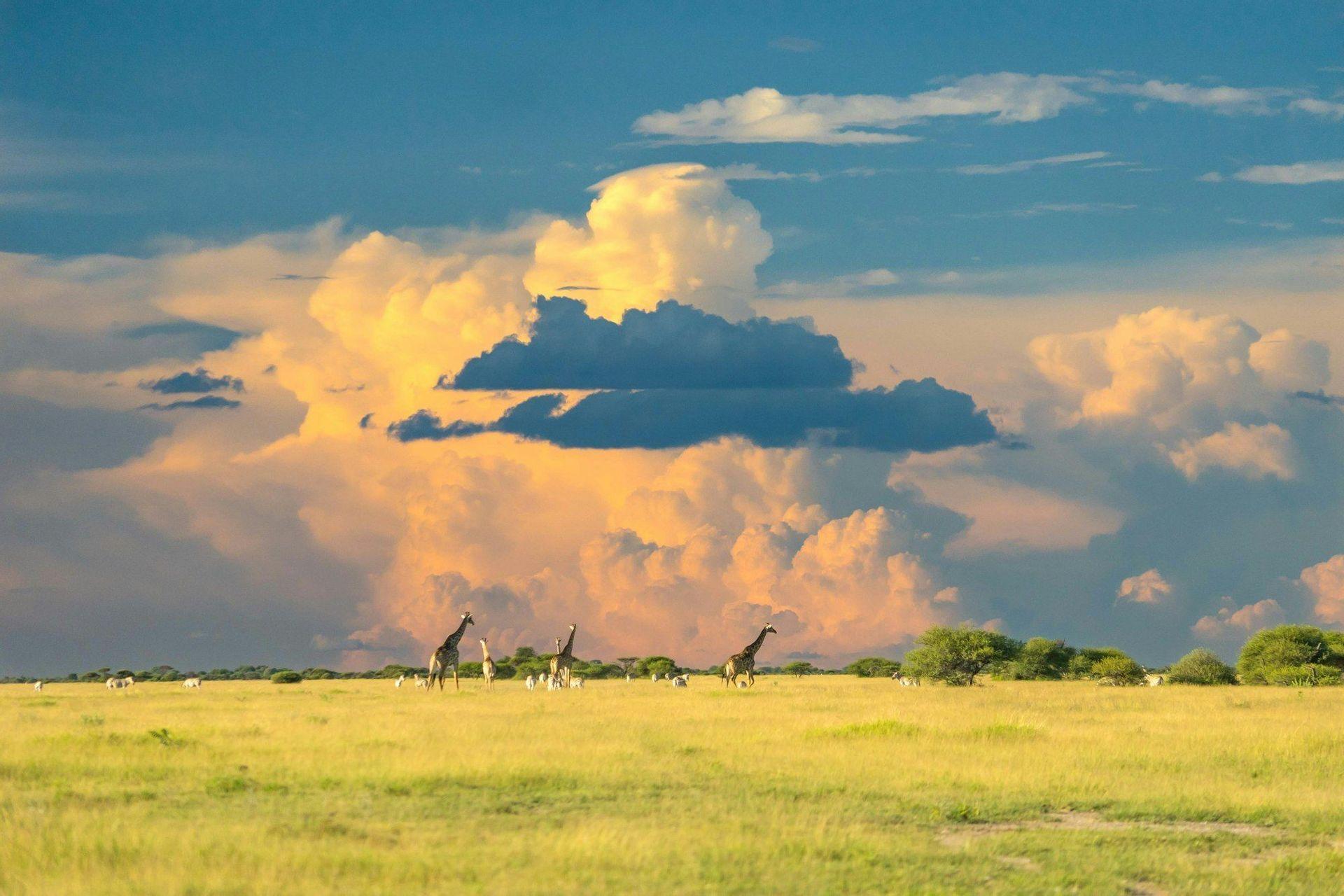
Botswana is a landlocked Southern African republic where the Okavango Delta, the Kalahari Desert, and Chobe's elephant herds form one of the continent's premier safari destinations. It stands out for high-value, low-volume ecotourism, huge megafauna numbers, and mokoro-poled safaris through watery labyrinths. Glide by mokoro in the Okavango Delta, watch elephants on the Chobe River at sunset, track meerkats and bushmen in the Makgadikgadi salt pans, spot lions at Savuti, photograph zebras on the Makgadikgadi migration, and 4x4 the Central Kalahari Game Reserve. Visit the Tsodilo Hills' San rock art and the diamond capital of Gaborone. Try seswaa and morogo. Botswana suits safari veterans, honeymooners, photographers, and travelers seeking premium, quiet bush experiences often combined with Victoria Falls and Namibia.
Book with confidence
Book with $ 0
Lock in your spot and only pay once it's confirmed
Free changes
Switch dates or destination within 31 days, at no extra cost
Maximum Flexibility
New Flexible Cancellation! Cancel up to 24hrs before
Pay in installments
Spread the cost over time, interest-free
FAQs about Botswana
Find out the entry requirements for Botswana, and, if needed, apply for your visa through our partner Sherpa.
Before traveling, always remember to check the government website of your country of origin for updates on the entry requirements for Botswana – you wouldn’t want to stay home due to a bureaucratic detail!
- UK residents: review the FCDO Travel Advice.
- US residents: consult the US Department of State Travel Advice.
- Other residents: refer to your government or local consulate's travel advice.
Botswana is in the Central Africa Time zone, which is UTC+2. The country doesn't observe daylight saving time. If it's 12pm in the UK, it will be 2pm in Botswana. If it's 12pm on the east coast of the USA, it will be 7pm in Botswana. Keep this in mind when planning your activities or making calls.
Botswana uses the Botswana Pula (BWP) as its currency. The exchange rate can fluctuate, but as a rough guide:
- 1 GBP equals approximately 18 BWP
- 1 USD equals around 14 BWP
- 1 EUR is about 16 BWP
You can exchange your money at banks and exchange bureaus in major cities and airports.
Credit cards and debit cards are widely accepted in Botswana, particularly in hotels, restaurants, and major retail stores. Visa and Mastercard are the most commonly used, though some places also accept American Express. It's a good idea to carry some cash for smaller establishments or markets. You can find ATMs in cities and tourist areas for cash withdrawals.
Tipping in Botswana is appreciated but not mandatory. In restaurants, it's common to leave a tip of about 10% of the bill if the service was good. For safari guides and lodge staff, tipping is customary, and you might consider around 5–10 USD per day for guides and 3–5 USD per day for lodge staff. It's a nice way to show gratitude for good service, but do what feels right for you.
In Botswana, staying connected is pretty straightforward. We suggest you buy a local SIM card or an e-SIM data plan for better coverage and affordability. Mascom, Orange, and BTC Mobile are popular providers where you can get a SIM card. You'll find Wi-Fi available in most hotels, cafes, and shopping centers, but the speed can vary. If you need reliable internet on the go, a local SIM is a good choice.
In Botswana, the official language is English, which is widely used in business and education. However, the national language is Setswana, and you'll hear it spoken often. Here are some useful Setswana expressions:
- Hello: Dumela
- Thank you: Ke a leboga
- Yes: Ee
- No: Nnyaa
- How are you?: O tsogile jang?
These phrases can be handy during your travels in Botswana.
In Botswana, they use Type D and Type G plugs, which are the same as those used in the UK. The voltage is 230V, and the frequency is 50Hz. If your devices don't match these plug types, we suggest bringing a universal adapter to keep your gadgets charged during your stay.
In Botswana, Christianity is the main religion, with a significant portion of the population identifying as Christian. Other religious beliefs include indigenous African religions, Islam, and a small percentage of other faiths. While Botswana does not have specific dress codes related to religion, it's always a good idea to dress respectfully, especially when visiting religious sites or rural areas. Major religious holidays celebrated include Christmas and Easter, with various denominations observing these occasions in their unique ways.
For your trip to Botswana, you'll want to be well-prepared for both adventure and comfort. Here's a handy packing list to get you started:
-
Clothing:
- Lightweight long-sleeved shirts
- T-shirts
- Shorts
- Comfortable long pants
- Warm jacket for evenings
- Hat for sun protection
-
Shoes:
- Comfortable walking shoes
- Sandals
- Flip-flops for the pool or shower
-
Accessories and Technology:
- Sunglasses
- Binoculars for wildlife watching
- Camera
- Portable charger
- Travel adapter (Botswana uses type D and G plugs)
-
Toiletries and Medication:
- Sunscreen
- Insect repellent
- Basic first aid kit
- Anti-malaria tablets
- Pain relievers like ibuprofen or paracetamol
Botswana can get hot during the day and cool at night, so layering is key. Enjoy your adventure in this beautiful country!
Botswana's weather varies depending on the region, but here's a general idea:
- Northern Botswana, including the Okavango Delta and Chobe: This area is typically warm and has a subtropical climate. The rainy season is from November to March, with warm temperatures ranging from 25°C to 35°C (77°F to 95°F).
- Central and Southern Botswana, including the Kalahari Desert: These areas are generally drier, with hot summers and cooler winters. Summer temperatures can soar above 40°C (104°F), while winter nights can drop to 5°C (41°F).
The best time to visit is during the dry season, from May to October, when wildlife viewing is excellent, and the weather is more comfortable.