Group trips to The Gambia
Our organized trips to The Gambia
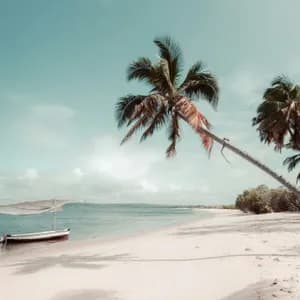
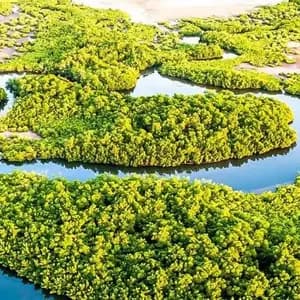
Though Africa’s smallest mainland nation, The Gambia unveils an immense heart, a land where the majestic River Gambia carves a path through vibrant culture and breathtaking nature. From the sun-drenched shores of its renowned Atlantic beaches, perfect for serene relaxation and vibrant local life, to the historical echoes of Kunta Kinte Island (James Island), a UNESCO World Heritage site rich with stories, this West African jewel offers an unforgettable escape. Explore the teeming biodiversity of places like Bijilo Forest Park, home to playful monkeys and exotic birds, or immerse yourself in the lively rhythms of local markets and fishing villages like Tanji, experiencing the warmth of its people. The Gambia beckons to curious travelers seeking genuine connection and unspoiled beauty, promising a journey filled with authentic encounters and golden sunsets.
Don’t know where to start? Our best sellers are always a good idea.
FAQs about The Gambia
The Gambia is in the Greenwich Mean Time (GMT) zone and does not observe daylight saving time. This means that if it is 12pm in the UK, it will also be 12pm in the Gambia. If it is 12pm on the East Coast of the USA, it will be 5pm in the Gambia. Keep this in mind when planning your activities and communicating with friends or family back home.
The currency used in the Gambia is the Gambian Dalasi (GMD).
As of the most recent exchange rates:
- 1 British Pound (GBP) is approximately 75 GMD
- 1 US Dollar (USD) is around 63 GMD
- 1 Euro (EUR) is about 66 GMD
You can exchange currency at banks, official exchange bureaus, or at the airport upon arrival. Remember to check the rates as they can fluctuate.
Credit and debit cards are widely accepted in urban areas of the Gambia, especially in hotels, restaurants, and larger shops. However, cash is still king in many local markets and rural areas. We recommend you carry some cash for smaller transactions. ATMs are available in cities, and they usually dispense the local currency, the Gambian Dalasi. It's a good idea to inform your bank about your travel plans to avoid any issues while using your card abroad.
In the Gambia, tipping is appreciated but not mandatory. It's common to leave a small tip in restaurants or for services like taxis and hotel staff.
- For restaurants, consider tipping around 10 percent of the bill.
- For taxis or hotel staff, a small amount in local currency is thoughtful.
Remember, tipping is seen as a nice gesture and is always appreciated by the locals.
In Gambia, buying a local SIM card is a good idea to stay connected. You can get one from providers like Africell, QCell, or Gamcel. They offer a variety of plans with data packages to suit your needs. Wi-Fi is available in some hotels and cafes, but it can be spotty and not always reliable. Having a local SIM ensures better coverage and internet access on the go. Consider getting an e-SIM data plan if your phone supports it for added convenience.
In the Gambia, the official language is English, which makes it convenient for English-speaking travelers. You'll also hear several local languages, with Mandinka, Wolof, and Fula being the most commonly spoken. Here are some useful expressions you might hear or use:
- Hello: Salaam aleekum (Peace be upon you) in Arabic
- Thank you: Jerejef in Wolof
- How are you?: Kaira be? in Mandinka
- Yes: Ee in Mandinka
- No: Dedet in Wolof
These phrases could make your interactions more enjoyable and engaging!
In The Gambia, they use Type G plugs, which are the same as those used in the UK. The voltage is 230 V with a frequency of 50 Hz. If you're coming from a country that doesn't use these types of plugs, you should bring a universal adapter to ensure you can charge your devices without any issues. It's always a good idea to check your device's compatibility with the voltage to avoid any mishaps.
The main religion in The Gambia is Islam, with the majority of the population practicing it. If you're visiting, it's good to be mindful of local customs and dress modestly, especially in rural areas and religious sites. Women might want to cover their shoulders and knees. Important religious holidays include Eid al-Fitr and Eid al-Adha, which are celebrated with prayers and feasting.
Packing for the Gambia requires some thoughtful planning due to its warm climate and cultural considerations. Here's a handy list to help you prepare your backpack:
-
Clothing:
- Light, breathable shirts and tops
- Long pants or skirts for modesty
- A light jacket or sweater for cooler evenings
- Swimwear for the beaches
-
Shoes:
- Comfortable walking shoes or sandals
- Flip-flops for the beach
- Dress shoes if you plan on dining out
-
Accessories and Technology:
- A hat or cap to protect from the sun
- Sunglasses
- A power bank and charging cables
- Camera or smartphone for photos
-
Toiletries and Medication:
- Sunscreen and after-sun lotion
- Insect repellent
- Basic first aid kit with band-aids and antiseptic
- Common travel medication like pain relievers and anti-diarrheal tablets
This list should get you started on your Gambian adventure.
The Gambia has a tropical climate, generally warm all year round, but it can be divided into two main seasons:
- Dry Season (November to May): This is the best time to visit, with plenty of sunshine, little to no rain, and cooler, pleasant evenings. Expect temperatures around 24-32°C (75-90°F).
- Rainy Season (June to October): It's hot, humid, and features heavy rainfall, especially in August. Daytime temperatures can rise to 30-35°C (86-95°F).
For the most comfortable experience, consider traveling during the dry season when the weather is mild and pleasant.