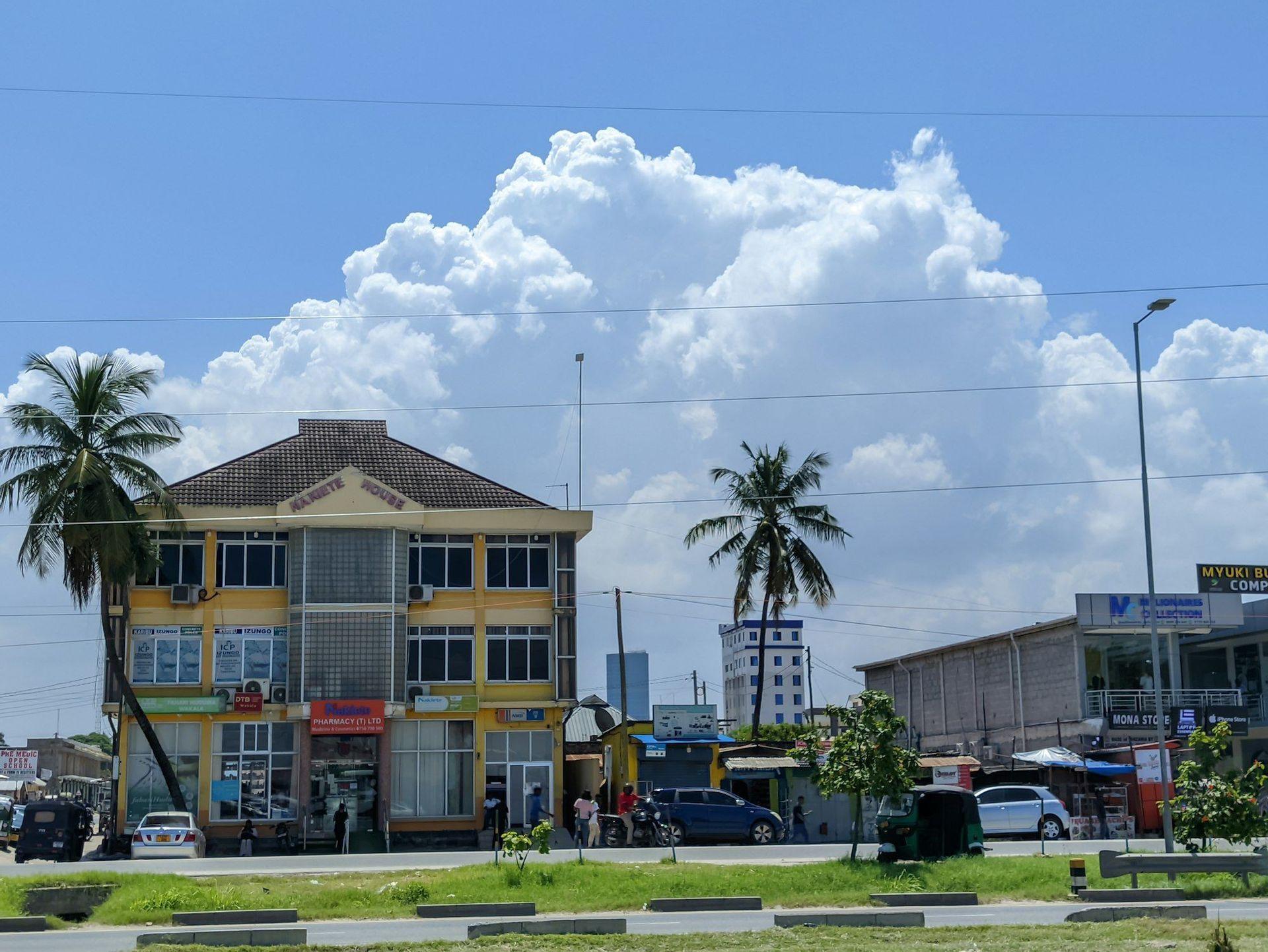
Group trips to Equatorial Guinea
Our organized trips to Equatorial Guinea
Equatorial Guinea is a small Central African republic split between a mainland region and two volcanic islands in the Gulf of Guinea. It stands out for Spanish as its main European language, pristine rainforest reserves, and a wildly underrated tropical island nation a short flight from mainland Africa. Wander the oil-boom skyline of Malabo on Bioko Island, watch drills and mandrills in the rainforests around Luba and Pico Basile, hike to sea-turtle-nesting beaches on Bioko's southern coast, explore Bata's seaside promenade on the mainland, and birdwatch the untouched rainforest of Monte Alen. Try pepper soup, fumbua, and grilled plantain. Entry procedures can be complex so plan carefully. Equatorial Guinea suits seasoned Africa travelers, birders, Spanish-speaking explorers, and country-collectors curious about the continent's quietest corners.

Book with confidence
Book with $ 0
Lock in your spot and only pay once it's confirmed
Free changes
Switch dates or destination within 31 days, at no extra cost
Maximum Flexibility
New Flexible Cancellation! Cancel up to 24hrs before
Pay in installments
Spread the cost over time, interest-free
FAQs about Equatorial Guinea
Find out the entry requirements for Equatorial Guinea, and, if needed, apply for your visa through our partner Sherpa.
Before traveling, always remember to check the government website of your country of origin for updates on the entry requirements for Equatorial Guinea – you wouldn’t want to stay home due to a bureaucratic detail!
- UK residents: review the FCDO Travel Advice.
- US residents: consult the US Department of State Travel Advice.
- Other residents: refer to your government or local consulate's travel advice.
Equatorial Guinea operates on West Africa Time (WAT), which is UTC+1. This means that if it's 12pm in the UK, it will be 1pm in Equatorial Guinea. For the USA, if it's 12pm Eastern Time, it will be 6pm in Equatorial Guinea. Note that Equatorial Guinea does not observe daylight saving time, so the time difference remains consistent throughout the year.
Equatorial Guinea uses the Central African CFA franc (XAF) as its currency. The daily exchange rate is approximately:
- 0.0014 GBP to XAF
- 0.0015 USD to XAF
- 0.0015 EUR to XAF
You can exchange currency at banks and authorized exchange offices in major cities. Always check the latest rates before exchanging to ensure you get the best deal.
In Equatorial Guinea, you can pay using cash or credit cards. Cash is widely accepted, especially in local markets and smaller shops. Credit cards are increasingly accepted in larger establishments, hotels, and restaurants, but it's a good idea to have some cash on you for smaller purchases. ATMs are available in major cities like Malabo and Bata, where you can withdraw local currency. Always inform your bank before traveling to avoid any issues with your card.
Tipping in Equatorial Guinea is not a widespread practice, but it is appreciated for good service. In restaurants, leaving a small tip of around 5 to 10 percent is a nice gesture if you receive excellent service. For hotel staff, a small tip for housekeepers or porters is welcomed. Taxis generally do not expect a tip, though rounding up the fare is a kind way to show appreciation. It’s always good to have small bills handy for tipping.
In Equatorial Guinea, internet access can be quite limited and not always reliable. Wi-Fi is available in some hotels and cafes, but it might not be very fast. It's a good idea to buy a local SIM card or an e-SIM data plan for better connectivity. Look for providers like Getesa or Muni. This will give you more reliable internet access on the go. Keep in mind that mobile coverage might still be spotty in remote areas, so plan accordingly.
In Equatorial Guinea, the official language is Spanish. However, French and Portuguese are also recognized as official languages. You might also hear some local languages like Fang and Bubi being spoken. Here are a few useful Spanish expressions you might hear or use:
- Hello: Hola
- Thank you: Gracias
- Please: Por favor
- Excuse me: Perdón
- How much?: ¿Cuánto cuesta?
In Equatorial Guinea, the plugs are of type C and E. The electrical system operates on a voltage of 220V with a frequency of 50Hz. If your devices use a different plug type or voltage, we suggest you bring a universal adapter and possibly a voltage converter to ensure your electronics work properly. This will help keep your devices running smoothly while you're exploring the country.
The main religion in Equatorial Guinea is Christianity, with the majority of the population being Roman Catholic. Important religious holidays include:
- Christmas on December 25
- Easter, which varies each year
These occasions are widely celebrated and may affect local business hours and public transport schedules. Be aware that during these holidays, you might experience closures or reduced services.
When packing for Equatorial Guinea, it's wise to consider the tropical climate and the activities you plan to do. Here's a handy list to help you organize your backpack:
-
Clothing:
- Lightweight breathable shirts
- Shorts and light pants
- A light rain jacket
- Swimwear
-
Shoes:
- Comfortable walking shoes
- Sandals
- Water shoes if planning aquatic activities
-
Accessories and Technology:
- Sunglasses and a hat for sun protection
- A reusable water bottle
- A power bank
- A camera or smartphone for capturing moments
-
Toiletries and Medication:
- Sunscreen and insect repellent
- Basic toiletries like toothbrush and toothpaste
- Hand sanitizer
- Common travel medication, like anti-diarrheal and pain relievers
Given the warm and humid climate, pack light and breathable items to stay comfortable during your stay.
Equatorial Guinea has a tropical climate, so you can expect warm temperatures and high humidity throughout the year. The weather varies by region:
- Bioko Island (including Malabo): Wet season from April to October, with heavy rainfall. Dry season from November to March, with less rain.
- Mainland region (Río Muni): Wet season from October to May, dry season from June to September.
The best time to visit is during the dry seasons when there's less rainfall and the weather is more pleasant for outdoor activities.