🔥EARLY BIRD DEALS🔥 Get up to €/£300 off selected trips!

05
Days
15
Hours
48
Min
Palm tree fronds and coconuts hang over a white sand beach where a small blue boat rests by the calm ocean.

Group trips to Madagascar

Our organized trips to Madagascar

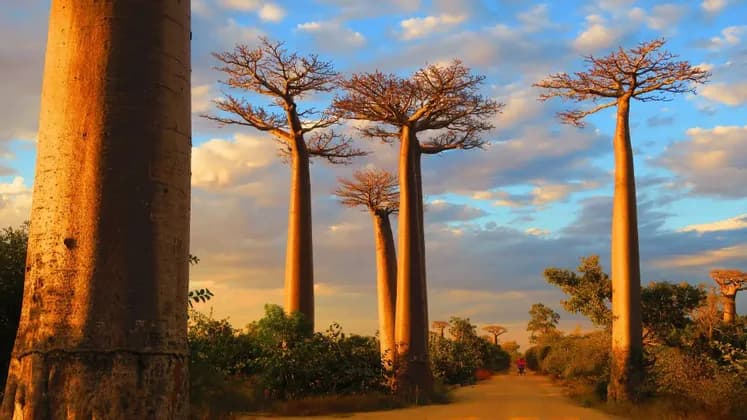
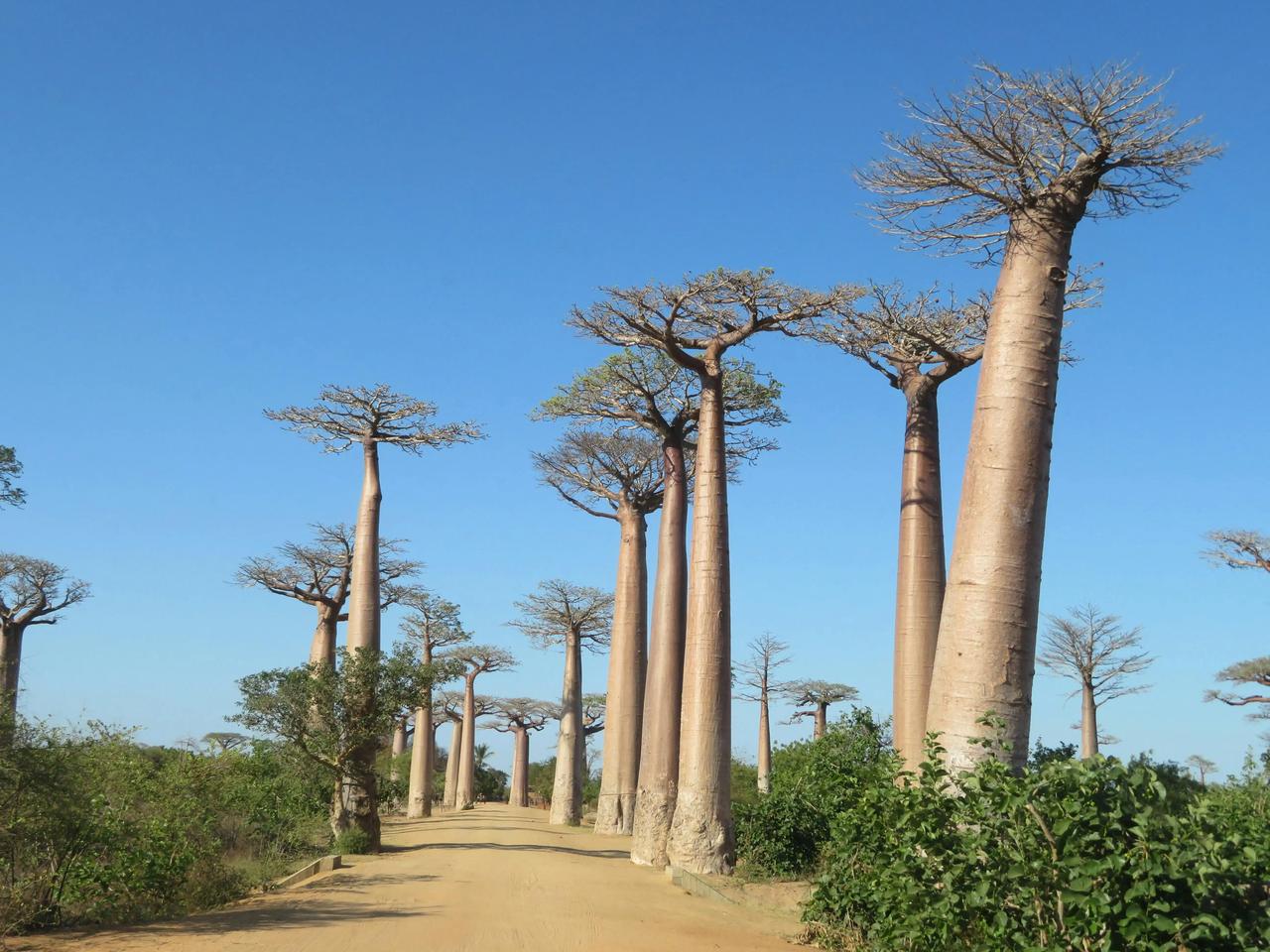
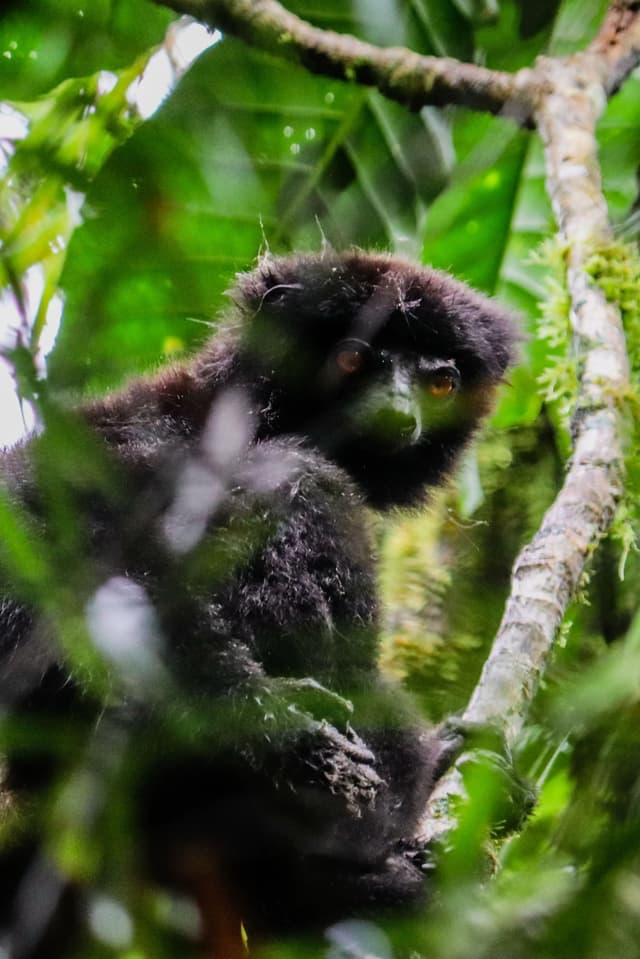
Madagascar, a world shaped by millions of years of isolation, offers an encounter unlike any other, a land of unparalleled biodiversity and a vibrant cultural tapestry where evolution has painted its most whimsical masterpieces. From wandering beneath the ancient, sentinel baobabs of the iconic Avenue of the Baobabs to discovering the breathtaking moonscape and lemur-filled canyons of Isalo National Park, or immersing yourself in the bustling, colourful markets and royal history of Antananarivo, this island invites pure discovery. It is an irresistible invitation for the curious explorer and the passionate naturalist, ready to unveil the extraordinary wonders of a truly unique island today.

View by
1 trip found
Show maps
From $ 2,493
$ 2,671
-6%

Book with confidence
WeRoad
Solo, not alone
Travel with a group of like-minded people and a Coordinator and share life-long adventures with them
WeRoad
Low deposit
Reserve your spot with a low deposit and pay the rest 31 days before departure
WeRoad
Flexible changes
Free cancellation up to 31 days before departure, or up to 8 days with the Flexible Cancellation Option
WeRoad
Travel worry-free
Medical baggage insurance is always included, so you don't have to stress over it before or during your trip

FAQs about Madagascar

Do I need to tip in Madagascar?

Tipping in Madagascar is appreciated but not mandatory. In restaurants, a tip of around 5 to 10 percent of the bill is generally considered generous. For hotel staff or guides, small tips are appreciated for good service. Keep in mind that many locals rely on tips to supplement their income, so if you receive excellent service, leaving a tip would be a nice gesture. Remember to tip in the local currency, Malagasy Ariary.

How can I pay in Madagascar?

In Madagascar, you can pay using cash or credit cards. Credit cards are accepted in larger cities and tourist areas, but smaller towns and rural areas often require cash. It is always good to have some Malagasy Ariary on hand for smaller purchases or in places that do not accept cards. ATMs are available in cities for withdrawing cash, though they may not always be reliable. We recommend you carry a mix of payment methods to ensure you are prepared for different situations.

What kind of plugs are used in Madagascar?

In Madagascar, the plugs used are types C and E. The standard voltage is 220 volts and the frequency is 50 Hz. These plugs are not the same as those used in Italy, the UK, or the USA, so we suggest you bring a universal adapter to ensure your devices fit. This will keep you powered up and ready to enjoy your travels without any hassle.

What language do they speak in Madagascar?

In Madagascar, the main languages spoken are Malagasy and French. Malagasy is the national language, and it's widely used throughout the country. Here are some useful Malagasy expressions you might hear or want to use:

- Hello: Salama
- Thank you: Misaotra
- Please: Azafady
- Yes: Eny
- No: Tsia

Knowing a few words in Malagasy can be helpful and appreciated by locals during your visit. French is also commonly used, especially in urban areas and for official matters.

What should I pack for Madagascar?

Packing for Madagascar involves being prepared for diverse climates and activities. Here's a handy list to help you pack your backpack:

Clothing
- Light, breathable shirts
- Long-sleeved shirts for sun protection
- Lightweight trousers or pants
- Shorts
- Swimwear

Shoes
- Comfortable walking shoes
- Sandals
- Water shoes for beach or river activities

Accessories and Technology
- Sun hat
- Sunglasses
- Power bank
- Camera or phone for photos
- Universal travel adapter

Toiletries and Medication
- Sunscreen
- Insect repellent
- Basic first aid kit
- Common travel medication like pain relievers, anti-diarrheal tablets, and motion sickness pills

What's the internet like in Madagascar? Should I buy a SIM card? How available is Wi-Fi?

In Madagascar, internet connectivity can be a bit spotty, especially in rural areas. Wi-Fi is available in most hotels and some cafes in urban areas, but it might not always be reliable or fast. For more consistent access, we suggest you buy a local SIM card or an e-SIM data plan. Popular providers include Telma, Airtel, and Orange, offering various data packages. This can come in handy for navigation and staying connected while exploring the island.

What’s the main religion in Madagascar?

In Madagascar, the main religions are Christianity and traditional Malagasy beliefs. Christianity is divided between Roman Catholicism and Protestantism, with a significant portion of the population also practicing traditional ancestor worship. While these are the predominant religions, there is a harmonious coexistence, and religious practices often blend elements from both Christianity and traditional beliefs. Important religious holidays include Christmas and Easter, celebrated by Christians across the island.

What’s the weather like in Madagascar?

Madagascar's weather can vary quite a bit depending on the region. Here's a quick breakdown:

  • East Coast: Tropical climate with high humidity and rainfall year-round. The wettest months are from December to March.
  • West Coast: Drier and sunnier, with a warm climate. The dry season runs from April to November.
  • Central Highlands: Cooler temperatures, especially from May to October, with occasional rain.
  • South: Arid and desert-like, with very little rain throughout the year.

The best time to visit Madagascar is generally from April to November when the weather is drier and cooler, making it ideal for exploring the island's unique landscapes and wildlife.

Which currency is used in Madagascar?

The currency used in Madagascar is the Malagasy Ariary (MGA). As of the latest rates, 1 GBP is approximately 5,500 MGA, 1 USD is about 4,000 MGA, and 1 EUR is roughly 4,700 MGA. You can exchange currency at banks, hotels, and authorized currency exchange offices in major cities. Always keep some cash on hand, as card payments might not be widely accepted in rural areas.