Group trips to Côte d'Ivoire
Our organized trips to Côte d'Ivoire
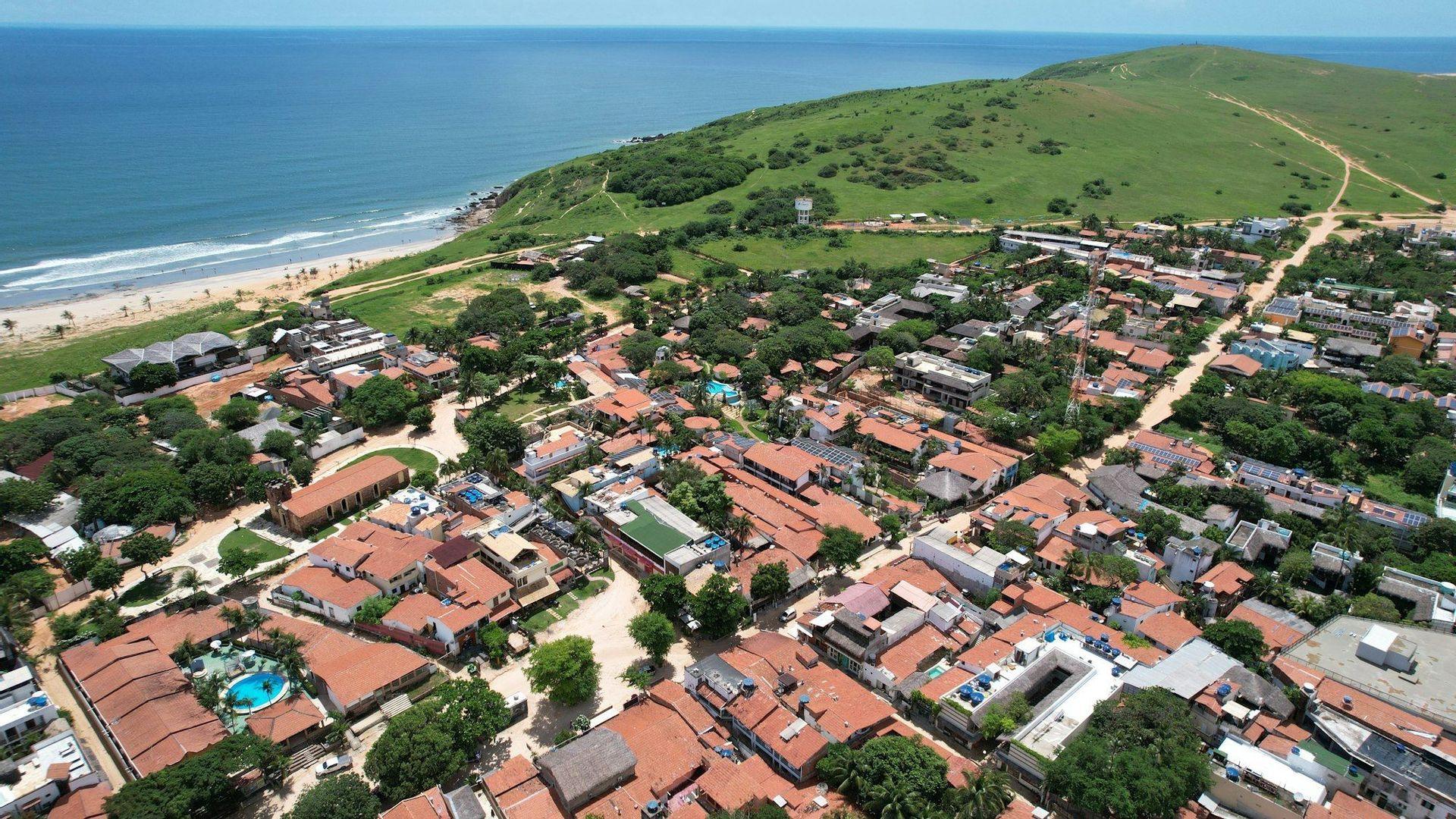
Cote d'Ivoire is a West African republic on the Gulf of Guinea, a country of savanna, rainforest, Atlantic beaches, and the world's largest church basilica rising from a former jungle capital. It stands out for vibrant coupe-decale music, the economic hub of Abidjan, and deep cultural traditions among Akan, Senufo, and Dan peoples. Wander Abidjan's Plateau skyscrapers and Cocody markets, tour the basilica of Yamoussoukro, surf in Grand-Bassam's UNESCO old town, birdwatch in Tai National Park to spot forest elephants and chimpanzees, visit the sacred mask ceremonies of Man, and relax on the palm-fringed beaches of Assinie. Try attieke with grilled fish, kedjenou chicken, and bissap. Cote d'Ivoire suits French-speaking travelers, music fans, safari-for-rainforest enthusiasts, photographers, and culturally curious first-time Africa visitors.

Book with confidence
Book with $ 0
Lock in your spot and only pay once it's confirmed
Free changes
Switch dates or destination within 31 days, at no extra cost
Maximum Flexibility
New Flexible Cancellation! Cancel up to 24hrs before
Pay in installments
Spread the cost over time, interest-free
FAQs about Côte d'Ivoire
Find out the entry requirements for Côte d'Ivoire, and, if needed, apply for your visa through our partner Sherpa.
Before traveling, always remember to check the government website of your country of origin for updates on the entry requirements for Côte d'Ivoire – you wouldn’t want to stay home due to a bureaucratic detail!
- UK residents: review the FCDO Travel Advice.
- US residents: consult the US Department of State Travel Advice.
- Other residents: refer to your government or local consulate's travel advice.
Côte d'Ivoire operates on Greenwich Mean Time (GMT) all year round, meaning there is no daylight saving time adjustment. So, if it is 12 pm in the UK, it will be 12 pm in Côte d'Ivoire as well. If it is 12 pm in New York, USA, it will be 5 pm in Côte d'Ivoire. This makes it easy to keep track, especially if you're traveling from Europe.
In Côte d'Ivoire, the currency used is the West African CFA franc (XOF). The daily exchange rate is approximately:
- 0.0014 GBP
- 0.0015 USD
- 0.0014 EUR
to 1 XOF. You can exchange currency at banks, airports, and licensed exchange bureaus in major cities. Remember to always check the latest rates and fees before exchanging your money.
Credit cards are widely accepted in Côte d'Ivoire, especially in urban areas, hotels, and larger restaurants, but it is a good idea to carry some cash for smaller vendors or in rural areas. ATMs are available in cities and towns where you can withdraw local currency. Make sure to inform your bank about your travel plans to avoid any issues with your card.
Tipping in Côte d'Ivoire is not mandatory, but it is appreciated for good service. In restaurants, you might leave a tip of about 5 to 10 percent of the bill if service isn't included. For taxis, rounding up the fare is a nice gesture. Hotel staff, like porters and housekeeping, often receive small tips as a sign of appreciation. Remember that tipping is based on your satisfaction with the service.
In Côte d'Ivoire, internet access is generally good in urban areas, but it can be slower or less reliable in rural regions. Wi-Fi is commonly available in hotels, cafes, and restaurants in cities. However, for consistent access, especially if you're traveling around, we suggest you buy a local SIM card or an e-SIM data plan. Major providers like Orange and MTN offer various data packages to suit your needs. This way, you can stay connected throughout your trip without relying solely on Wi-Fi hotspots.
In Côte d'Ivoire, the official language is French. However, there are over 70 indigenous languages spoken throughout the country, with Dioula being one of the most widely understood. If you're brushing up on some basic French before your trip, here are a few useful expressions you might hear or use:
- Hello: Bonjour
- Thank you: Merci
- Please: S'il vous plaît
- How much is this?: Combien ça coûte?
- Yes: Oui
- No: Non
These phrases will help you navigate everyday interactions while exploring Côte d'Ivoire.
In Côte d'Ivoire, the plugs used are type C and E. The electricity runs on a 230V supply voltage with a frequency of 50Hz. If your devices have a different plug type, we suggest you bring a universal adapter to ensure compatibility. This way, you can easily charge your electronics without any hassle.
In Côte d'Ivoire, the main religion is Islam, which is followed by a significant portion of the population. If you're visiting, it's respectful to be aware of local customs. Women, in particular, should consider wearing modest clothing, especially when visiting religious sites. Important religious holidays to keep in mind include Eid al-Fitr and Eid al-Adha, which might affect local business hours and transportation schedules.
Packing for Côte d'Ivoire involves considering its tropical climate. Here’s a guide to what you should put in your backpack:
-
Clothing:
- Lightweight tops
- Shorts and skirts
- Light dresses
- Long-sleeved shirts for evenings
- A light rain jacket
-
Shoes:
- Comfortable walking shoes
- Sandals
- Flip-flops for the beach
-
Accessories and Technology:
- Sunhat or cap
- Sunglasses
- Travel adapter (Type C or E/F plugs)
- Power bank
- Smartphone and charger
-
Toiletries and Medication:
- Sunscreen
- Insect repellent
- Basic toiletries
- Hand sanitizer
- Common travel medication like pain relievers, antihistamines, and anti-diarrheal tablets.
Remember to dress modestly, especially if you plan to visit religious or rural areas.
Côte d'Ivoire has a tropical climate, which means it's generally warm and humid. However, the weather can vary depending on the region:
- Coastal areas: Warm and humid with two rainy seasons, from May to July and from October to November. The best time to visit is from December to April when it’s drier.
- Northern regions: Hot and dry with a single rainy season from May to September. The best time to visit is from November to February when it's cooler and drier.
- Central areas: Similar to the coast but with slightly less humidity. The best time to visit is also from December to April.
For the most pleasant experience, aim for the dry season in your chosen region.