Group trips to Zimbabwe
Our organized trips to Zimbabwe
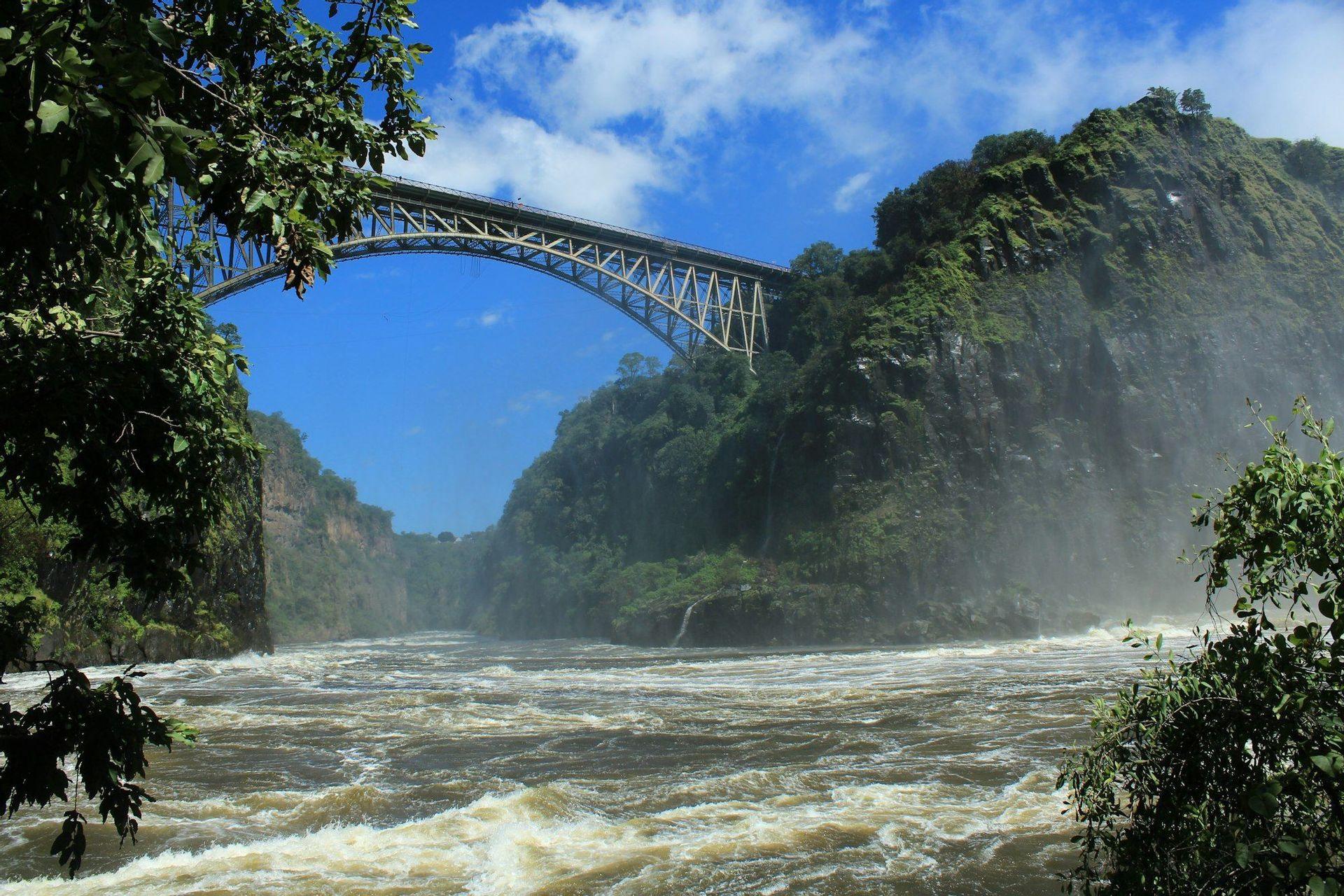
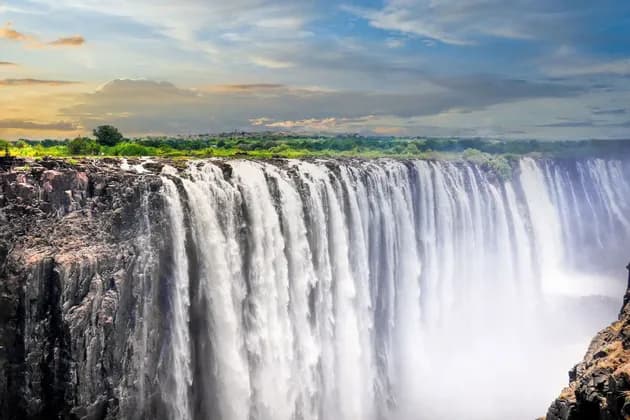
Zimbabwe is a landlocked southern African country straddling the Zambezi River, with a turbulent recent history but a rich archaeological and natural heritage. What sets it apart is the combination of UNESCO-listed stone ruins, one of the planet's most spectacular waterfalls, and some of Africa's best low-volume safaris. Travelers can marvel at the Victoria Falls, track elephants at Hwange, canoe past hippos and lions in Mana Pools (also UNESCO), explore the medieval ruins of Great Zimbabwe, hike the granite kopjes of Matobo, and discover Harare's vibrant arts scene. Local sadza and grilled freshwater fish round out the experience. It's an ideal destination for seasoned travelers seeking high-quality wildlife encounters, meaningful history, and Zambezi-fueled adventure away from the crowds.
Book with confidence
Book with $ 0
Lock in your spot and only pay once it's confirmed
Free changes
Switch dates or destination within 31 days, at no extra cost
Maximum Flexibility
New Flexible Cancellation! Cancel up to 24hrs before
Pay in installments
Spread the cost over time, interest-free
FAQs about Zimbabwe
Tipping in Zimbabwe is appreciated but not mandatory. In restaurants, leaving a tip of around 10 percent is a nice gesture if you are happy with the service. For taxi drivers, rounding up the fare is common. Hotel staff, such as porters and housekeeping, usually receive a small tip for their services. It's always a good idea to carry some small local currency for tipping purposes. Keep in mind that wages in the service industry can be low, so your tips can make a significant difference to the staff.
Credit and debit cards are widely accepted in major cities and tourist areas in Zimbabwe, especially Visa and Mastercard. However, we suggest you also carry some cash for smaller vendors and remote areas where card payments might not be possible. Mobile money services like EcoCash are popular, and you might find them convenient for day-to-day transactions. It's a good idea to check with your bank about international fees for card transactions before you travel. Always be cautious when using ATMs and opt for those located in secure places.
In Zimbabwe, the standard voltage is 240 V with a frequency of 50 Hz. The plugs used are type D and G. Type D has three round pins in a triangular pattern, and type G is the one with three rectangular pins, commonly used in the UK. If your devices use a different plug type, bring a universal adapter to make sure you can charge your gadgets without any issues.
In Zimbabwe, the main language spoken is Shona, followed by Ndebele and English. English is widely used in business and education, so you'll be able to get by with it. Here are some useful Shona expressions you might hear or want to use:
- Hello: Mhoro
- Thank you: Ndatenda
- Please: Ndapota
- Yes: Ehe
- No: Kwete
These phrases can help you connect with locals and make your stay more enjoyable.
When packing for Zimbabwe, it's important to consider the climate and activities you plan to do. Here’s a handy list to help you prepare your backpack:
Clothing:
- Lightweight shirts and t-shirts
- Long-sleeved shirts for sun protection
- Shorts and comfortable pants
- A jacket or sweater for cooler evenings
- A raincoat or poncho if visiting during the rainy season
Shoes:
- Comfortable walking shoes or sneakers
- Sandals or flip-flops
- Hiking boots if planning outdoor adventures
Accessories and Technology:
- Sunglasses and a hat for sun protection
- A camera or smartphone with a charger
- Universal power adapter
- Travel guidebook or map
Toiletries and Medication:
- Sunscreen and insect repellent
- Personal hygiene items like toothbrush and toothpaste
- Basic first-aid kit
- Common travel medication like pain relievers and antihistamines
With this list, you’ll be well-prepared to enjoy your time in Zimbabwe!
In Zimbabwe, internet access can be a bit challenging. Wi-Fi availability is mostly found in major cities, hotels, and cafes, but it can be slow or unreliable. We suggest you buy a local SIM card or an e-SIM data plan for better connectivity. Some popular providers are Econet, NetOne, and Telecel. These SIM cards are available at airports, shops, or kiosks in urban areas. Make sure your phone is unlocked to use a local SIM card.
The main religion in Zimbabwe is Christianity, which is practiced by the majority of the population. However, traditional African religious beliefs are also widely observed, often blended with Christian practices. While there are no specific dressing requirements tied to religion, it's respectful to dress modestly, especially when visiting religious sites. Important religious holidays include Christmas and Easter, which are widely celebrated across the country.
Zimbabwe is in the Central Africa Time Zone, which is 2 hours ahead of Coordinated Universal Time (UTC+2). Zimbabwe does not observe daylight saving time.
- If it is 12pm in the UK, it will be 2pm in Zimbabwe.
- If it is 12pm Eastern Time in the USA, it will be 7pm in Zimbabwe.
Keep this in mind when planning your activities or contacting people in Zimbabwe.
Zimbabwe's weather varies depending on the region, so here's a quick guide:
- Northern and Central Zimbabwe: Summers (November to March) are warm and wet, while winters (May to August) are dry and mild. Best time to visit is during the dry season from May to October.
- Eastern Highlands: Cooler and wetter than the rest of the country, with rain from November to March and cool temperatures year-round.
- Southern Zimbabwe: Hot and dry, especially from September to March. Rainfall is minimal, making it warm even in winter.
Overall, the best time to visit Zimbabwe is during the dry season from May to October when wildlife viewing is at its peak.
The currency used in Zimbabwe is the Zimbabwean Dollar (ZWL). Currently, the exchange rates are approximately 1 GBP = 466 ZWL, 1 USD = 365 ZWL, and 1 EUR = 415 ZWL. You can exchange currency at banks, foreign exchange bureaus, and some hotels in major cities like Harare and Bulawayo.
Find out the entry requirements for Zimbabwe, and, if needed, apply for your visa through our partner Sherpa.
Before traveling, always remember to check the government website of your country of origin for updates on the entry requirements for Zimbabwe – you wouldn’t want to stay home due to a bureaucratic detail!
- UK residents: review the FCDO Travel Advice.
- US residents: consult the US Department of State Travel Advice.
- Other residents: refer to your government or local consulate's travel advice.