Group trips to Senegal
Our organized trips to Senegal
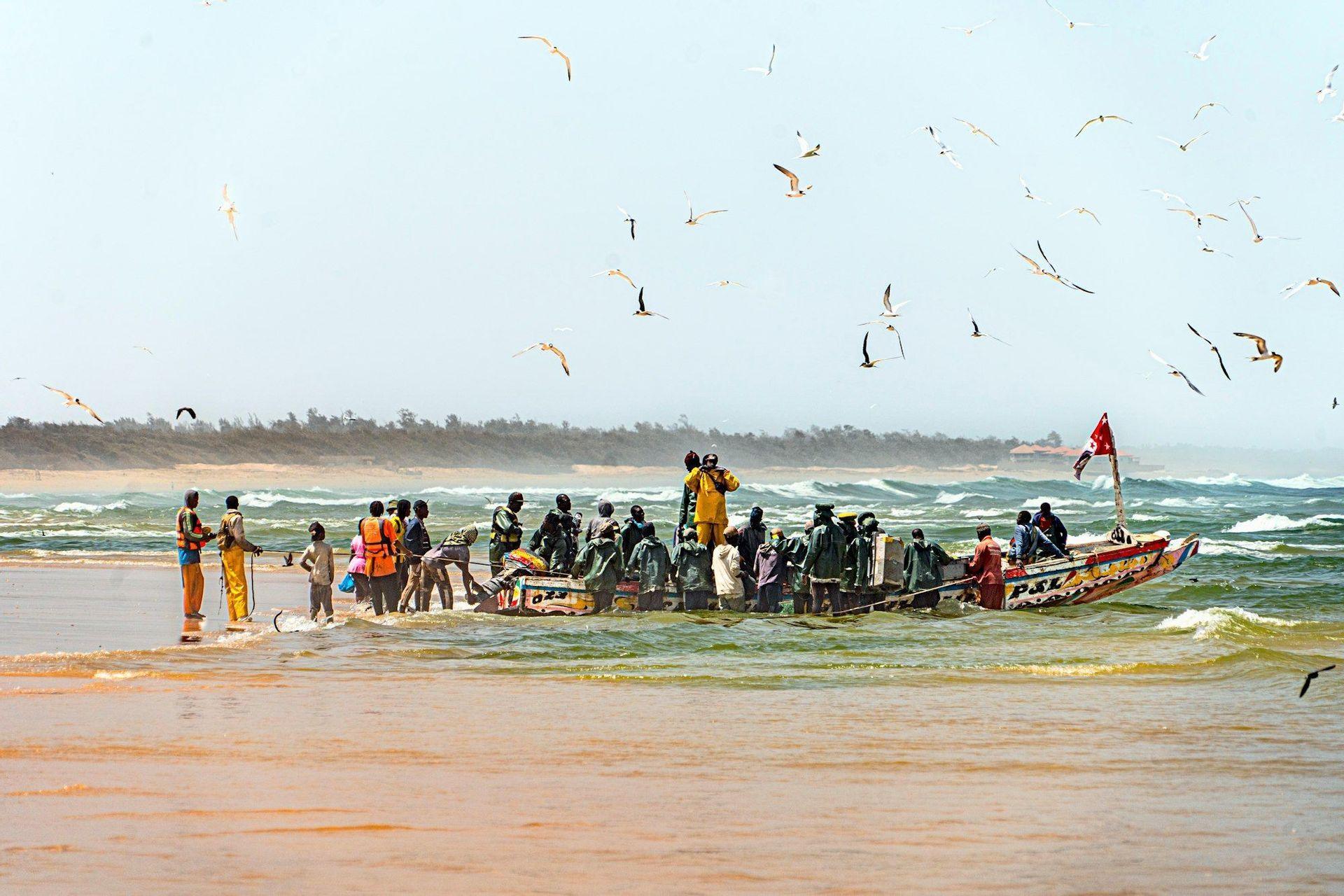
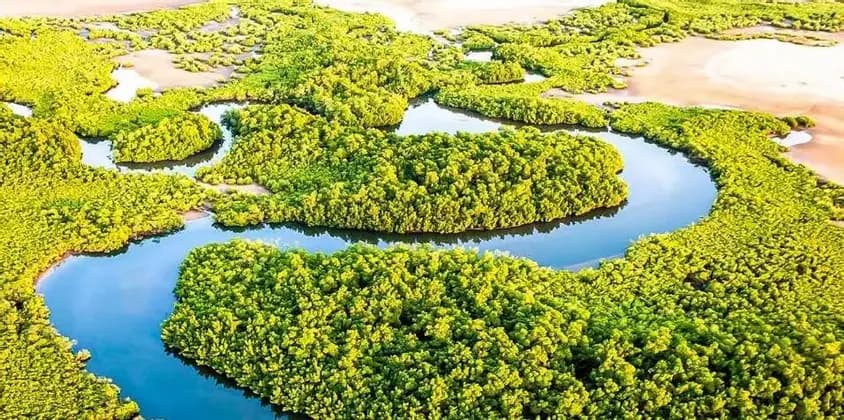
Senegal is a West African republic where Atlantic beaches, Sahel savanna, and vibrant Wolof, Serer, and Fulani cultures meet in the continent's westernmost corner. It's renowned for mbalax music, legendary hospitality known as teranga, and a powerful colonial and slave-trade heritage that makes every traveler reflect. Explore the pastel houses and memorial on Goree Island, wander the rhythmic streets of Dakar and its night-time clubs, birdwatch in the Djoudj wetlands, take a pirogue through the Sine-Saloum Delta, and visit the pilgrimage city of Touba. Ride colorful buses, share thieboudienne on communal platters, and attend a spontaneous drum circle on the beach. It suits music lovers, first-time Africa travelers, photographers, solo travelers, and culturally curious explorers.
Book with confidence
Book with $ 0
Lock in your spot and only pay once it's confirmed
Free changes
Switch dates or destination within 31 days, at no extra cost
Maximum Flexibility
New Flexible Cancellation! Cancel up to 24hrs before
Pay in installments
Spread the cost over time, interest-free
FAQs about Senegal
In Senegal, tipping is appreciated but not mandatory. In restaurants, you might leave about 10 percent of the bill if the service was good. For hotels, it's nice to tip porters and housekeeping a small amount, like a few dollars or euros. Taxi drivers do not usually expect a tip, but rounding up the fare is a friendly gesture. Remember, tipping is always at your discretion based on the service you receive.
In Senegal, you can pay using cash, credit cards, or mobile money. Credit cards are accepted in most hotels, restaurants, and larger stores, but it's always a good idea to carry some cash for smaller vendors or markets. ATMs are available in urban areas, allowing you to withdraw local currency using international cards. Mobile money services like Orange Money and Wari are popular and widely used for transactions. Keep in mind that smaller towns might not have as many options, so it's wise to plan accordingly.
In Senegal, the power plugs and sockets used are types C, D, E, and K. The standard voltage is 230 V and the frequency is 50 Hz. If you're coming from a country that uses different plug types, like the UK or the USA, we suggest you bring a universal adapter to ensure your devices can be charged properly. Always check your devices’ voltage compatibility to avoid any issues.
In Senegal, the official language is French, but you'll also hear a lot of Wolof, which is widely spoken by the locals. Here are some useful Wolof expressions you might come across:
- Hello: Salaamaalekum
- Thank you: Jërëjëf
- How are you?: Nanga def?
- Yes: Waaw
- No: Déedéet
These phrases can be handy during your trip to Senegal, especially when interacting with locals.
Packing for Senegal requires considering the warm climate and cultural norms. Here's a handy list of essentials to include in your backpack:
Clothing:
- Lightweight tops and t-shirts
- Long skirts or trousers for modesty
- Light jacket or sweater for cooler evenings
- Swimwear for beach visits
Shoes:
- Comfortable walking shoes
- Sandals for the beach
- Flip-flops for showers
Accessories and Technology:
- Sunhat and sunglasses
- Power bank and phone charger
- Camera for capturing memories
- Universal adapter (Senegal uses Type C, D, E, and K plugs at 230V)
Toiletries and Medication:
- Sunscreen and insect repellent
- Basic toiletries like toothbrush and shampoo
- Antimalarial medication
- Pain relievers and antihistamines
Being prepared will ensure a comfortable and enjoyable trip to Senegal.
In Senegal, internet access can be a bit spotty, especially outside major cities like Dakar. Wi-Fi is available in most hotels, cafes, and restaurants in urban areas, but the connection might not always be reliable. If you need constant internet access, we suggest buying a local SIM card or an e-SIM data plan. Providers like Orange and Expresso offer good options. You'll find SIM cards easily at the airport or in local stores. This way, you can stay connected while exploring the country.
The main religion in Senegal is Islam, with around 95% of the population being Muslim. When visiting, it's good to be aware of cultural norms, especially when it comes to dressing modestly. Women are recommended to cover their shoulders and knees, particularly when visiting religious sites. Important religious holidays to keep in mind include Eid al-Fitr, marking the end of Ramadan, and Eid al-Adha, the Festival of Sacrifice. Being respectful of these practices will enhance your experience in the country.
Senegal is in the Greenwich Mean Time (GMT) zone, which means it does not observe daylight saving time. If it is 12pm in the UK, it will also be 12pm in Senegal. If it is 12pm on the East Coast of the USA (Eastern Standard Time), it will be 5pm in Senegal. On the West Coast of the USA (Pacific Standard Time), if it is 12pm, it will be 8pm in Senegal.
Senegal has a tropical climate with distinct wet and dry seasons, and weather can vary slightly depending on the region.
- Coastal areas like Dakar have a cooler, ocean-moderated climate. The best time to visit is from November to May, during the dry season, with temperatures around 24-30°C (75-86°F).
- Inland regions, such as Tambacounda, experience hotter and more extreme temperatures, especially from March to June, reaching up to 40°C (104°F).
- The rainy season runs from June to October, bringing heavy rains and humidity, particularly in the south.
For the best weather, plan your visit between November and May.
Senegal uses the West African CFA franc (XOF). The daily exchange rate is roughly 0.0013 GBP, 0.0015 USD, and 0.0014 EUR to 1 XOF. You can exchange currency at banks, exchange bureaus, and sometimes at hotels.
Find out the entry requirements for Senegal, and, if needed, apply for your visa through our partner Sherpa.
Before traveling, always remember to check the government website of your country of origin for updates on the entry requirements for Senegal – you wouldn’t want to stay home due to a bureaucratic detail!
- UK residents: review the FCDO Travel Advice.
- US residents: consult the US Department of State Travel Advice.
- Other residents: refer to your government or local consulate's travel advice.