Group trips to Uganda
Our organized trips to Uganda
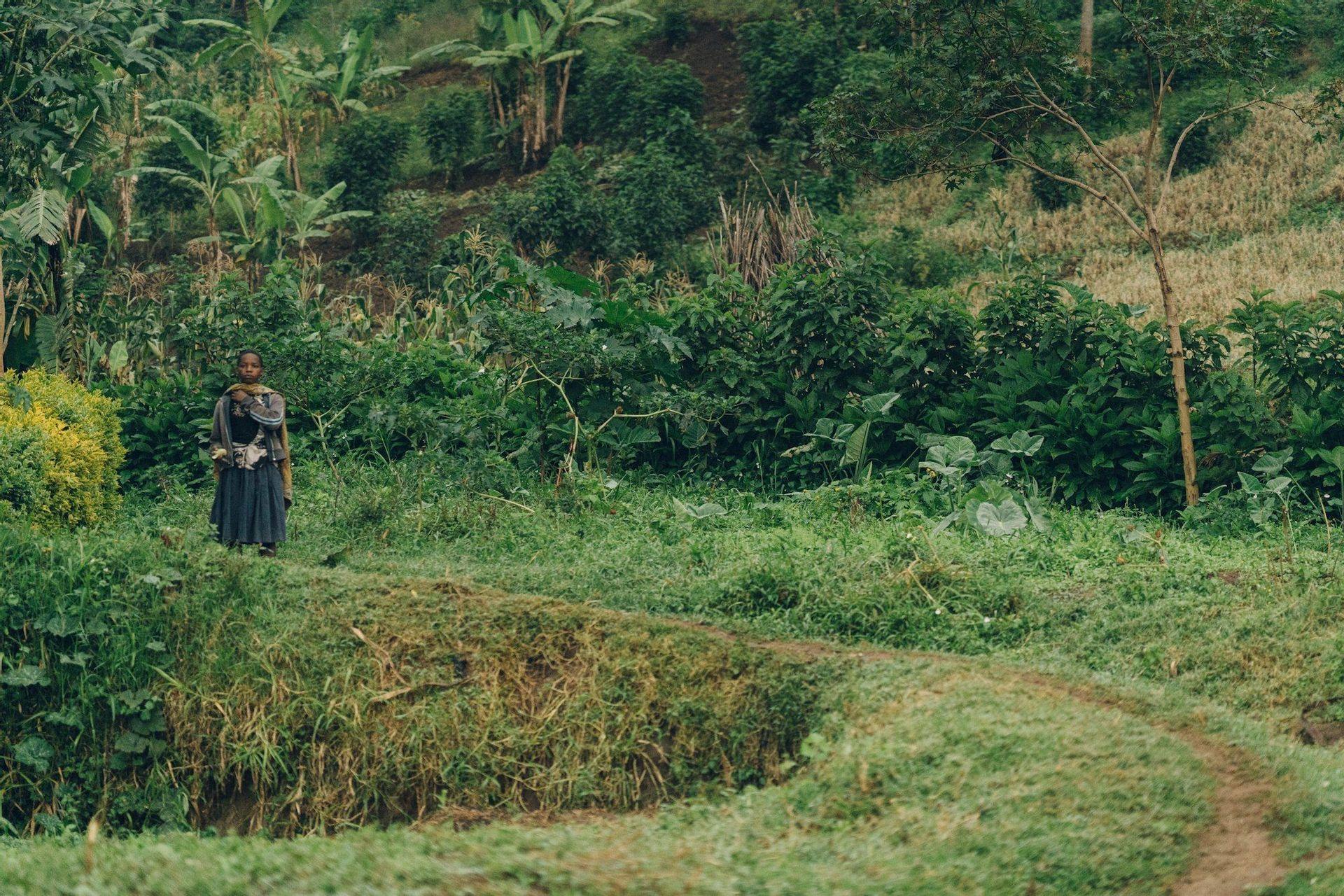
Uganda is a landlocked East African nation that Winston Churchill famously dubbed the "Pearl of Africa," home to some of the continent's richest biodiversity. Its uniqueness lies in bringing together mountain gorillas, the source of the Nile, and equatorial rainforest in a country still largely off the mass-tourism radar. Travelers can trek mountain gorillas in UNESCO-listed Bwindi Impenetrable Forest, track chimpanzees in Kibale, spot tree-climbing lions in Queen Elizabeth National Park, raft the White Nile rapids at Jinja, cruise Lake Victoria, admire Murchison Falls, and explore Kampala's Baganda culture. It's an ideal pick for travelers seeking an intense, varied African safari, easily combined with Rwanda or Kenya for a larger East African itinerary.

Book with confidence
Book with $ 0
Lock in your spot and only pay once it's confirmed
Free changes
Switch dates or destination within 31 days, at no extra cost
Maximum Flexibility
New Flexible Cancellation! Cancel up to 24hrs before
Pay in installments
Spread the cost over time, interest-free
FAQs about Uganda
In Uganda, tipping is appreciated but not mandatory. It's common to tip for good service in restaurants, bars, and for guided tours. A tip of around 5 to 10 percent of the bill is customary in restaurants. For porters and taxi drivers, a small tip or rounding up the fare is generally sufficient. Remember, tipping is a way to show appreciation for excellent service, so feel free to tip more if you’re especially satisfied.
In Uganda, you can pay using cash or credit and debit cards. Cash is widely used, especially in rural areas, and the local currency is the Ugandan Shilling. Major cities and tourist areas often accept credit and debit cards like Visa and Mastercard, but it's always good to have some cash on hand for small vendors or markets. ATMs are available in cities, so withdrawing local currency is convenient. Mobile money services like MTN Mobile Money and Airtel Money are also popular for transactions.
In Uganda, the plugs are of type G, which is the same as those used in the UK. The voltage is 240V, and the frequency is 50Hz. If you're coming from a country with different plug types, we suggest you bring a universal adapter to ensure all your devices can be charged. This way, you'll have no trouble keeping your gadgets powered up during your travels.
In Uganda, the official language is English, but you'll also hear Swahili widely spoken. Additionally, Luganda is one of the most commonly spoken local languages. Here are some useful expressions you might encounter:
- Hello: Jambo (Swahili)
- Thank you: Asante (Swahili)
- How are you?: Oli otya? (Luganda)
- Please: Tafadhali (Swahili)
English will be understood in most urban areas, but knowing a few local phrases can be helpful and appreciated.
For your trip to Uganda, here's a handy list of what to put in your backpack:
Clothing:
- Lightweight long-sleeved shirts and pants
- T-shirts and shorts
- Light jacket or sweater for cooler evenings
- Swimwear if you plan to swim
- Hat for sun protection
Shoes:
- Comfortable walking shoes or hiking boots
- Sandals or flip-flops for relaxing
Accessories and Technology:
- Sunglasses
- Camera or smartphone for photos
- Portable charger
- Travel adapter (Uganda uses type G plugs, 240V, 50Hz)
Toiletries and Medication:
- Sunscreen
- Mosquito repellent
- Basic first aid kit
- Travel medications like pain relievers or anti-diarrhea tablets
Remember to pack light and enjoy exploring Uganda's beautiful landscapes and wildlife!
In Uganda, a local SIM card or an e-SIM data plan is a good idea for reliable internet access. You can get one from providers like MTN or Airtel. Wi-Fi is available in some hotels, cafes, and restaurants in major cities like Kampala, but it might not be very fast or reliable. For exploring rural areas, having mobile data is definitely recommended for staying connected.
In Uganda, the main religion is Christianity, with a significant portion of the population identifying as either Roman Catholic or Protestant. Islam is also practiced by a smaller percentage of the population. In terms of religious holidays, Christians celebrate Christmas and Easter, while Muslims observe Ramadan and Eid. Uganda is known for its religious tolerance, allowing diverse faith practices across the country.
Uganda is in the East Africa Time zone, which is GMT+This means that if it's 12pm in the UK, it will be 3pm in Uganda. If it's 12pm in New York, USA, it will be 8pm in Uganda. Uganda does not observe daylight saving time, so the time difference remains consistent throughout the year.
Uganda's weather is generally warm and tropical, but it can vary depending on the region and time of year.
- Central Uganda, including Kampala: Warm and humid throughout the year, with temperatures ranging from 20°C to 28°C. The rainy seasons are from March to May and September to November.
- Western Uganda: Cooler due to higher altitudes, especially in areas like Bwindi and the Rwenzori Mountains. Temperatures can range from 10°C to 25°C.
- Northern Uganda: Hotter and drier, with temperatures often exceeding 30°C, especially during the dry season from December to February.
The best time to visit is during the dry seasons, from December to February and June to August, when there's less rain and wildlife viewing is optimal.
The currency used in Uganda is the Ugandan Shilling (UGX). As of the latest exchange rates, 1 GBP is approximately 4,900 UGX, 1 USD is around 3,700 UGX, and 1 EUR is about 4,200 UGX. You can exchange your currency at banks, hotels, or authorized forex bureaus in larger cities. Always double-check rates as they can fluctuate.
Find out the entry requirements for Uganda, and, if needed, apply for your visa through our partner Sherpa.
Before traveling, always remember to check the government website of your country of origin for updates on the entry requirements for Uganda – you wouldn’t want to stay home due to a bureaucratic detail!
- UK residents: review the FCDO Travel Advice.
- US residents: consult the US Department of State Travel Advice.
- Other residents: refer to your government or local consulate's travel advice.