Group trips to Zanzibar
Our organized trips to Zanzibar
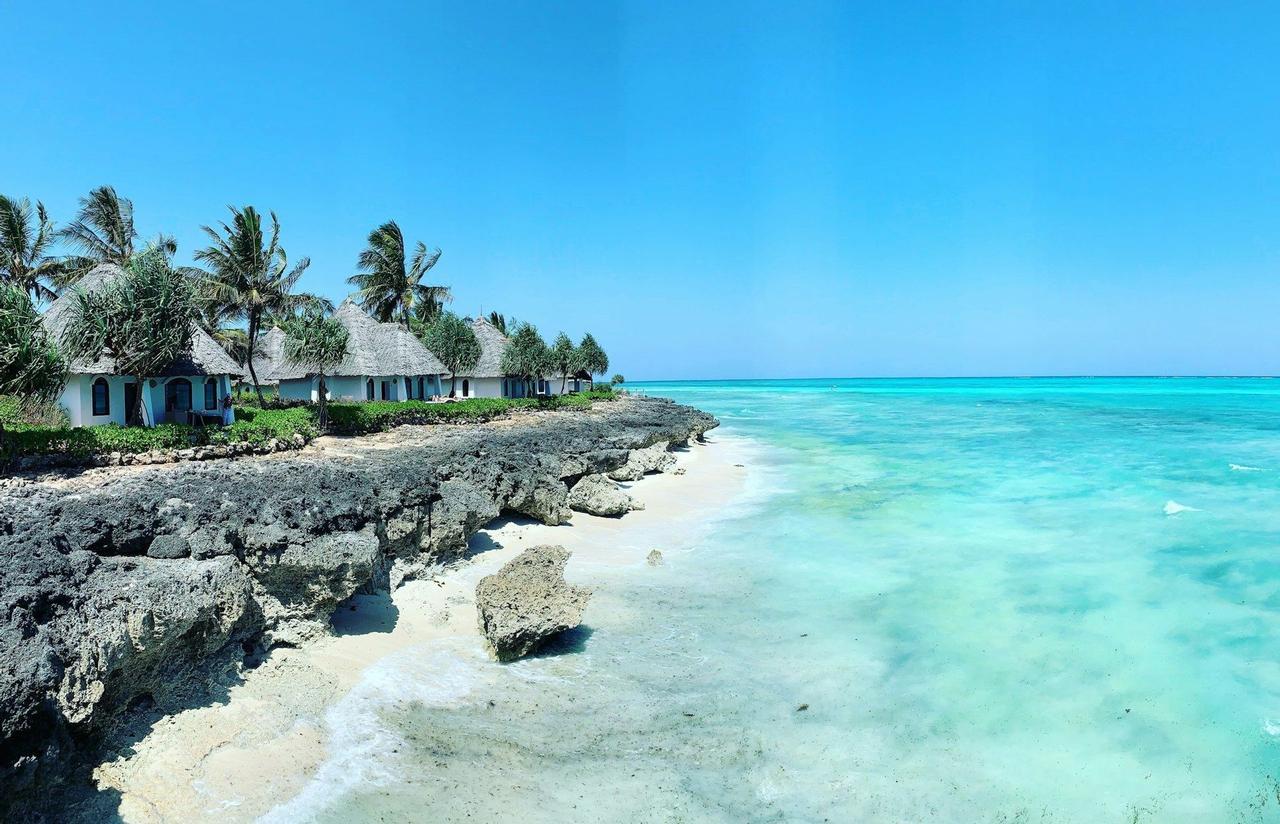
Beyond its legendary spice routes, Zanzibar unfolds as a mosaic of vibrant cultures and breathtaking natural beauty, a destination truly unlike any other. It is a land where ancient Swahili history intertwines seamlessly with pristine white-sand beaches, inviting discovery at every turn. Wander through the labyrinthine alleys of Stone Town, a UNESCO World Heritage site alive with the aromas of clove and cardamom, or immerse yourself in the serene tranquility of the azure waters off Nungwi, before encountering the playful red colobus monkeys of Jozani Forest. Zanzibar welcomes curious explorers and those yearning for authentic cultural immersion and unforgettable island adventures, promising to ignite the senses and captivate the soul.
Don’t know where to start? Our best sellers are always a good idea.
FAQs about Zanzibar
Zanzibar is in the East Africa Time Zone, which is 3 hours ahead of Coordinated Universal Time (UTC+3). The island does not observe daylight saving time. So, if it is 12pm in the UK, it will be 3pm in Zanzibar. If it is 12pm in New York, USA, it will be 8pm in Zanzibar. Remember to adjust these times if your location observes daylight saving time.
In Zanzibar, the currency used is the Tanzanian Shilling (TZS). As of the latest exchange rate:
- 1 GBP is about 3,100 TZS
- 1 USD is around 2,300 TZS
- 1 EUR is roughly 2,600 TZS
You can exchange currency at banks, official exchange bureaus, and some hotels. Remember to have enough local currency for smaller shops and markets, as they might not accept cards.
You can pay in Zanzibar using cash, credit cards, or mobile payments.
- Credit cards are widely accepted in hotels, restaurants, and larger shops, but it is a good idea to have some cash for smaller vendors or markets.
- ATMs are available in main towns, so you can withdraw cash as needed.
- Mobile payment is also popular in Zanzibar, with services like M-Pesa and Tigo Pesa, which you can use for various transactions.
Always check if there are any transaction fees with your bank or mobile provider.
In Zanzibar, tipping is not mandatory but is appreciated for good service. If you're happy with the service in restaurants, hotels, or with tour guides, consider leaving a tip.
- Restaurants: Around 10 percent of the bill is a nice gesture.
- Hotel staff: A couple of dollars per day is common.
- Tour guides and drivers: Often receive around 5 to 10 dollars per day.
Remember, any amount is appreciated, and feel free to tip based on the level of service you receive.
Zanzibar is not in Europe or the Schengen area, so roaming might not be an option for you. We suggest buying a local SIM card or an e-SIM data plan for more reliable internet access. Popular providers include:
- Vodacom
- Airtel
- Tigo
These providers offer various data plans. You can easily purchase SIM cards at the airport or in local shops. Wi-Fi is generally available in hotels, cafes, and restaurants, but the speed and reliability can vary, so having a SIM card is a good backup.
In Zanzibar, the main language spoken is Swahili, also known as Kiswahili. Here are a few useful phrases you might hear or use:
- Hello: Jambo
- Thank you: Asante
- How are you?: Habari gani?
- Goodbye: Kwaheri
Swahili is widely spoken, but you'll find that many people also speak English, especially in tourist areas.
In Zanzibar, the plugs used are Type G, which are the same as those used in the UK. The voltage is 230V, and the frequency is 50Hz. If you're coming from a country that uses different plug types, we suggest you bring a universal adapter to ensure your devices can be charged. Check your devices for voltage compatibility to avoid any surprises.
In Zanzibar, the main religion is Islam, with the majority of the population being Muslim. When visiting, especially in Stone Town or rural areas, we suggest you dress modestly. For women, this means covering your shoulders and knees. During the holy month of Ramadan, it's respectful to refrain from eating, drinking, or smoking in public during daylight hours. Important religious holidays include:
- Eid al-Fitr, marking the end of Ramadan
- Eid al-Adha
For your trip to Zanzibar, you'll need to pack thoughtfully due to the tropical climate and cultural considerations. Here's a handy guide on what to put in your backpack:
-
Clothing:
- Lightweight, breathable tops
- Long skirts or pants for modesty
- Swimwear
- Light jacket for cooler evenings
- Hat for sun protection
-
Shoes:
- Comfortable sandals
- Flip-flops for the beach
- Lightweight walking shoes
-
Accessories and Technology:
- Sunglasses
- Reusable water bottle
- Phone with charger
- Power bank
- Camera
-
Toiletries and Medication:
- Sunscreen
- Insect repellent
- Basic first-aid kit
- Prescribed medications
- Travel sickness tablets
- Pain relievers
Remember, Zanzibar is predominantly Muslim, so dressing modestly is appreciated.
Zanzibar generally enjoys a warm tropical climate. Here's what you can expect across different times of the year:
- December to March: Hot and humid, with temperatures ranging from 28°C to 32°C. This is a great time for beach activities.
- April to May: Rainy season, with heavy downpours and high humidity. It's less crowded, but some activities might be limited.
- June to October: Dry season, with cooler temperatures around 25°C to 28°C. Ideal for exploring and outdoor adventures.
- November: Short rains, with occasional showers but still warm temperatures.
The best time to visit is during the dry season from June to October when the weather is pleasant for outdoor activities.


