Group trips to Sierra Leone
Our organized trips to Sierra Leone
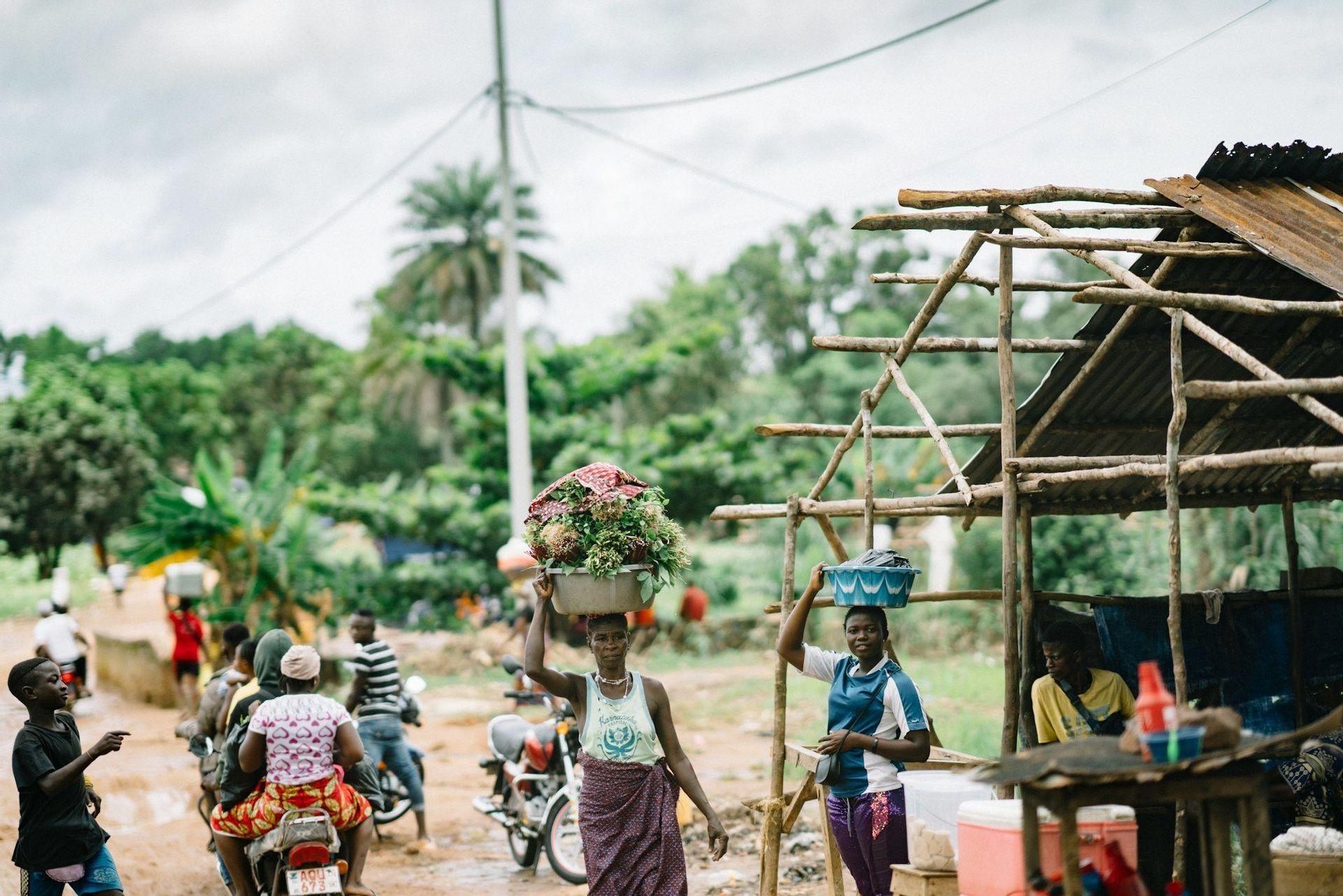
Sierra Leone is a West African republic wrapped around a forested peninsula on the Atlantic coast, best known for diamond history, dense rainforests, and some of the continent's most striking white-sand beaches. It stands out for its friendly Krio-speaking coastal culture, poignant slave-trade heritage, and a quiet tourism scene that rewards early visitors. Swim and surf at River No. 2, Tokeh, and Bureh beaches, take a boat to Banana and Turtle Islands, trek through Gola Rainforest, spot chimpanzees at Tacugama, and visit the Cotton Tree and Bunce Island in Freetown. Try jollof rice, cassava leaf, and freshly caught snapper at chop bars. It suits adventurous travelers, beach seekers, volunteers, and history-minded visitors curious about a country rebuilding itself.

Book with confidence
Book with $ 0
Lock in your spot and only pay once it's confirmed
Free changes
Switch dates or destination within 31 days, at no extra cost
Maximum Flexibility
New Flexible Cancellation! Cancel up to 24hrs before
Pay in installments
Spread the cost over time, interest-free
FAQs about Sierra Leone
Find out the entry requirements for Sierra Leone, and, if needed, apply for your visa through our partner Sherpa.
Before traveling, always remember to check the government website of your country of origin for updates on the entry requirements for Sierra Leone – you wouldn’t want to stay home due to a bureaucratic detail!
- UK residents: review the FCDO Travel Advice.
- US residents: consult the US Department of State Travel Advice.
- Other residents: refer to your government or local consulate's travel advice.
Sierra Leone operates on Greenwich Mean Time (GMT) all year round, with no daylight saving time changes. If it's 12pm in the UK, it's also 12pm in Sierra Leone. From the USA, the time difference depends on your location:
- For example, if it's 12pm Eastern Time, it will be 5pm in Sierra Leone.
Sierra Leone uses the Sierra Leonean Leone (SLL) as its currency. Exchange rates can vary, but as a rough guide:
- 1 GBP is approximately 25,000 SLL
- 1 USD is around 20,000 SLL
- 1 EUR is about 22,000 SLL
You can exchange currency at banks and official exchange bureaus in major cities. It's a good idea to check the current rates before you travel.
Credit cards are not widely accepted in Sierra Leone, so we recommend you carry cash for your transactions. ATMs are available in major cities, but they may not always be reliable or accessible in rural areas. It's a good idea to withdraw enough cash before traveling to more remote areas. Traveler's checks are not commonly used, so it's best to rely on cash. Always ensure you have some smaller denominations for convenience, especially in local markets or small businesses.
Tipping in Sierra Leone is not mandatory, but it is appreciated for good service. In restaurants, leaving a tip of about 10 percent of the bill is common. For taxi drivers, rounding up the fare is a nice gesture. If you have a tour guide or driver, a tip of around 5 to 10 dollars per day is considered generous. Tipping hotel staff like porters or housekeeping a few dollars can also be a nice way to show appreciation for their service.
In Sierra Leone, internet access can be a bit tricky. It's a good idea to buy a local SIM card or an e-SIM data plan to stay connected. Local providers like Africell and Orange offer reliable services for travelers. Wi-Fi is available in major cities, typically in hotels and cafes, but it might not be as fast or widespread as you're used to in Europe or the USA. Having a SIM card ensures you have internet access on the go, especially if you're traveling to more remote areas.
In Sierra Leone, the official language is English, which is used in government and education. However, Krio is widely spoken and understood by the majority of the population. It's a Creole language that bridges various ethnic groups. Here are some Krio phrases you might find useful:
- Hello: Kusheh
- How are you?: Ow di bodi?
- Thank you: Tenki
- Goodbye: Gudu bye
These phrases can help you connect with locals during your visit.
In Sierra Leone, the plugs used are primarily Type G, which are the same as those used in the UK. They have three rectangular pins in a triangular pattern. The voltage is 230V, and the frequency is 50Hz. If you're coming from a country that uses a different plug type, we suggest bringing a universal adapter to ensure your devices can be charged without any issues.
The main religion in Sierra Leone is Islam, with a significant portion of the population practicing it. When visiting, especially in rural areas, we suggest you dress modestly as a sign of respect. For women, this might mean wearing longer skirts or loose-fitting pants and covering shoulders. It's also good to be aware of important religious holidays like Eid al-Fitr and Eid al-Adha, which are widely celebrated in the country.
When packing for Sierra Leone, you'll want to be prepared for the tropical climate and varied activities. Here's a breakdown of what to include in your backpack:
-
Clothing:
- Lightweight shirts and T-shirts
- Long-sleeved shirts for sun and mosquito protection
- Shorts and light trousers
- A light jacket or sweater for cooler evenings
-
Shoes:
- Comfortable walking shoes or sneakers
- Sandals or flip-flops
- Water shoes if you plan on visiting beaches or waterfalls
-
Accessories and Technology:
- Hat or cap for sun protection
- Sunglasses
- Portable charger
- Camera or smartphone for capturing moments
-
Toiletries and Medication:
- Sunscreen and insect repellent
- Basic toiletries like toothbrush, toothpaste, and soap
- Hand sanitizer
- First-aid kit with band-aids, antiseptic wipes
- Common travel medication like pain relievers, anti-diarrheal tablets, and motion sickness pills
This list will help you stay comfortable and prepared for your adventures in Sierra Leone.
Sierra Leone has a tropical climate with two distinct seasons.
- Wet Season: From May to October, expect heavy rainfall and high humidity. It's cooler but can be quite rainy, especially in Freetown.
- Dry Season: From November to April, the weather is hot and dry, with Harmattan winds bringing dust from the Sahara from December to February.
The best time to visit is during the dry season when the weather is more stable and pleasant for outdoor activities.