Group trips to Angola
Our organized trips to Angola
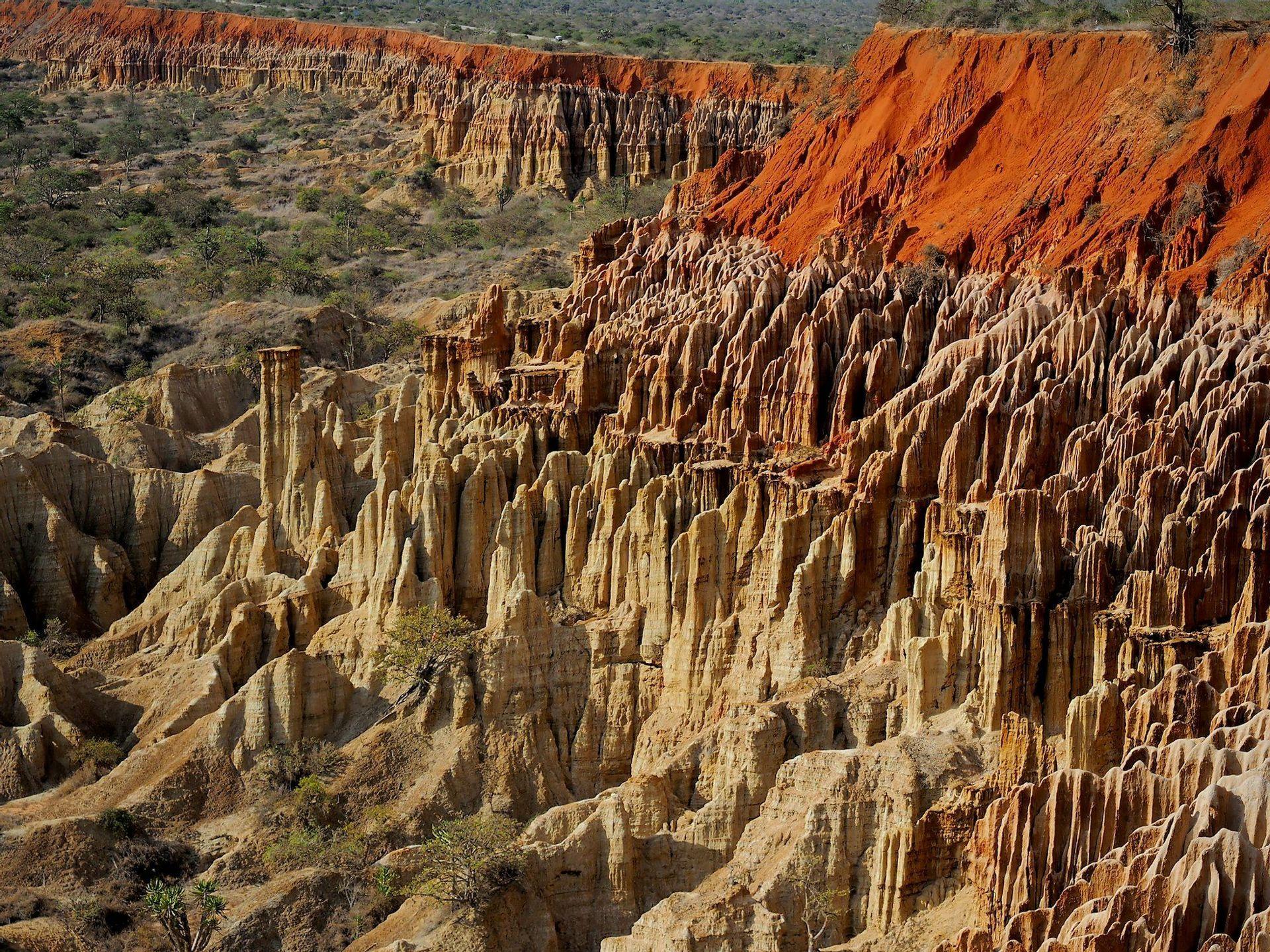
Angola is a vast southern African republic on the Atlantic coast, a country with a difficult recent history that is now slowly opening to tourism. It stands out for colonial Portuguese cities, the desert-meets-ocean scenery of the south, and rewarding wildlife recoveries in long-neglected national parks. Wander Luanda's seafront promenade and the Fortaleza de Sao Miguel, visit the Kalandula Falls, drive the Tundavala escarpment outside Lubango, explore the Namib-facing dunes of Iona National Park, watch elephants rebounding in Quicama and Luengue-Luiana, and spot sable antelope in Cangandala. Try muamba de galinha, calulu, and grilled funge. Angola suits adventurous travelers, Portuguese speakers, wildlife photographers, 4x4 overlanders, and Africa completionists prepared for complex logistics and limited infrastructure.

Book with confidence
Book with $ 0
Lock in your spot and only pay once it's confirmed
Free changes
Switch dates or destination within 31 days, at no extra cost
Maximum Flexibility
New Flexible Cancellation! Cancel up to 24hrs before
Pay in installments
Spread the cost over time, interest-free
FAQs about Angola
Find out the entry requirements for Angola, and, if needed, apply for your visa through our partner Sherpa.
Before traveling, always remember to check the government website of your country of origin for updates on the entry requirements for Angola – you wouldn’t want to stay home due to a bureaucratic detail!
- UK residents: review the FCDO Travel Advice.
- US residents: consult the US Department of State Travel Advice.
- Other residents: refer to your government or local consulate's travel advice.
Angola operates on West Africa Time (WAT), which is UTC+1. The country does not observe daylight saving time. If it is 12pm in the UK, it will be 1pm in Angola. If it is 12pm in New York, USA, it will be 6pm in Angola.
Angola uses the Angolan kwanza (AOA) as its currency. The exchange rate can vary, but as a rough guide:
- 1 GBP is approximately 1,100 AOA
- 1 USD is around 825 AOA
- 1 EUR is about 950 AOA
You can exchange currency at banks, hotels, or authorized exchange bureaus in major cities like Luanda.
Credit and debit cards are widely accepted in major cities and tourist areas in Angola, so you can use them for most transactions. However, it's a good idea to carry some cash for smaller shops or rural areas where card payments might not be available. ATMs are available in cities, but be cautious about security when withdrawing cash.
Tipping in Angola is not mandatory, but it is appreciated for good service. In restaurants, leaving a tip of about 10% of the bill is a kind gesture. For taxi drivers, rounding up the fare is common. Hotel staff like porters and housekeeping will also appreciate a small tip. Always remember that tipping is at your discretion and should reflect your satisfaction with the service.
In Angola, internet access can be a bit challenging. Wi-Fi is available in most major hotels and some cafes in big cities like Luanda, but outside urban areas, it can be limited. Since Angola is not in Europe or the Schengen area, roaming charges can be high, so buying a local SIM card is a good idea for staying connected. Providers like Unitel and Movicel offer prepaid SIM cards with data plans that you can purchase at the airport or in the city. Make sure your phone is unlocked before you travel, so you can use the local SIM card without any issues.
In Angola, the official language is Portuguese. It's widely spoken and used in government, media, and education. Aside from Portuguese, several indigenous languages are spoken, including Umbundu, Kimbundu, and Kikongo. Here are a few useful Portuguese phrases you might hear or use:
- Hello: Olá
- Thank you: Obrigado (if you're male), Obrigada (if you're female)
- Please: Por favor
- Yes: Sim
- No: Não
These basic phrases can help you navigate your interactions while traveling in Angola.
In Angola, they use Type C and Type F plugs. The electrical voltage is 220V with a frequency of 50Hz. If you are coming from a country that uses a different plug type or a different voltage, we suggest you bring a universal adapter to ensure your devices can be used without issues.
The main religion in Angola is Christianity, with the majority of people being Roman Catholic or Protestant. While there are no specific dressing requirements related to religion, be mindful of local customs and dress modestly when visiting religious sites. Important religious holidays include:
- Christmas on December 25
- Easter, which varies each year
Packing for Angola requires some thoughtful preparation due to its tropical climate. Here’s a handy list to help you with your backpack:
-
Clothing:
- Lightweight shirts and t-shirts
- Long pants for evenings
- Light jacket or sweater for cooler nights
- Swimwear for beaches and pools
-
Shoes:
- Comfortable walking shoes
- Sandals for casual outings
- Water shoes if you plan on visiting rivers or beaches
-
Accessories and Technology:
- Sunglasses and a hat for sun protection
- Power bank for charging devices on the go
- Camera to capture your adventures
- Universal adapter for charging electronics
-
Toiletries and Medication:
- Sunscreen and insect repellent
- Basic first aid kit
- Anti-malaria tablets, if recommended by your doctor
- Personal hygiene products
Always check the weather forecast before you leave to make sure you’re well-prepared for your trip.
Angola's weather varies depending on the region, so here's a quick breakdown:
- Coastal areas: Luanda and other coastal regions have a tropical climate with a dry season from May to October and a wet season from November to April. The best time to visit is during the dry season when temperatures are milder and there's less rain.
- Inland areas: In places like Huambo, you can expect a cooler, more temperate climate. The wet season is from November to April, and the dry season runs from May to October.
- Southern regions: These areas can be quite arid, experiencing less rainfall overall. The climate is semi-desert, with the wet season from November to March.
For the best overall weather experience, visiting during the dry season, May to October, is ideal.