Group trips to Tunisia
Our organized trips to Tunisia
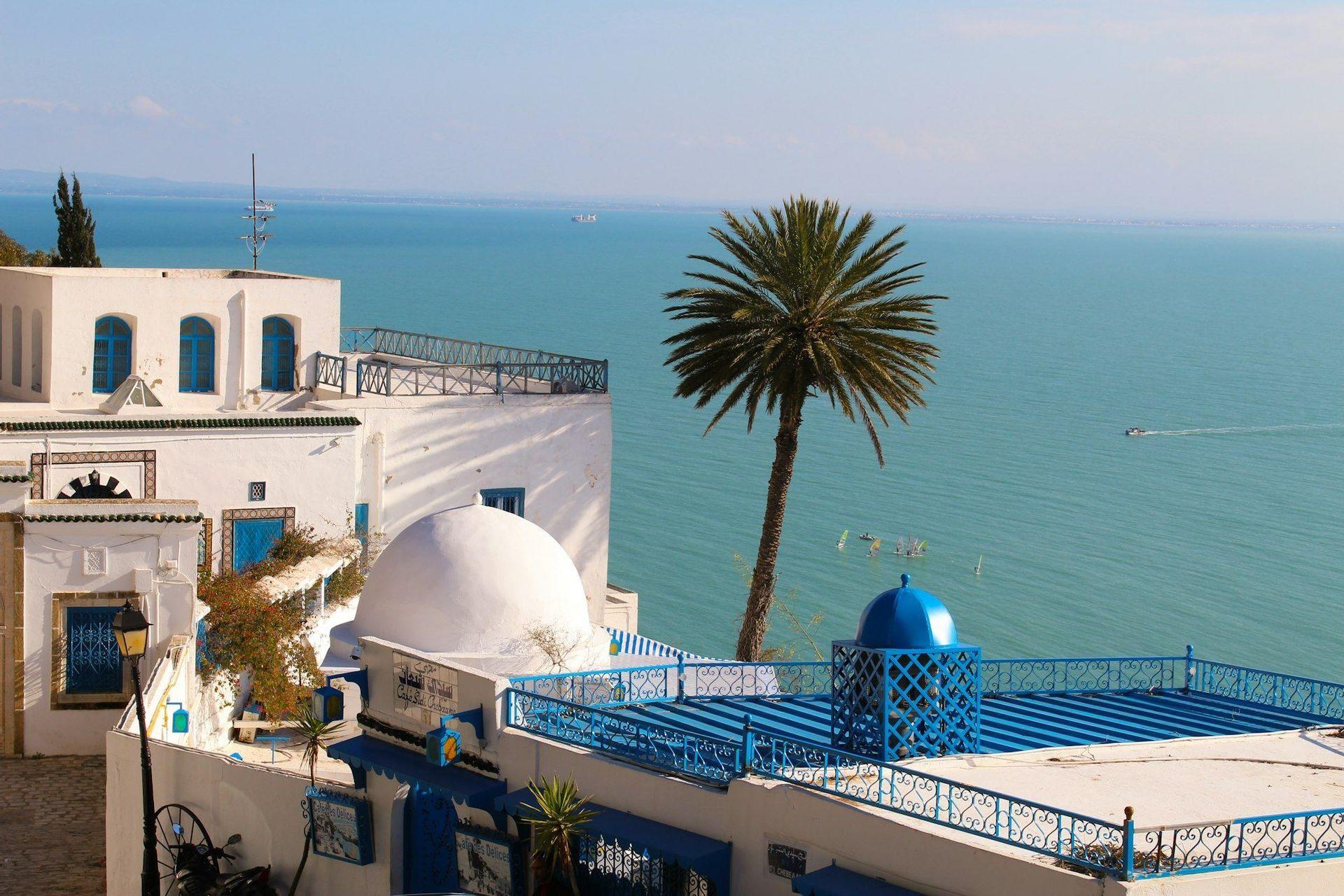
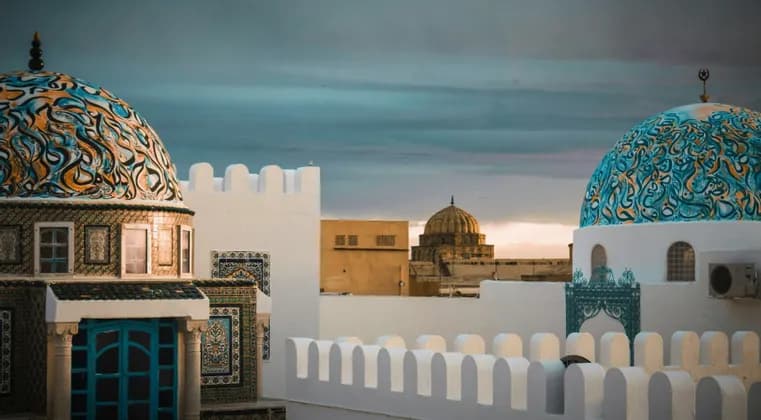
Tunisia is Africa's northernmost country, a Mediterranean nation and historic crossroads of Berber, Arab, Roman, and Ottoman influences. Its uniqueness lies in packing Mediterranean beaches, the Sahara Desert, major Roman sites, and Berber villages into one easy itinerary. Travelers can explore the ruins of Carthage and UNESCO-listed El Jem with its colosseum, wander Tunis's UNESCO medina, spend a night in a desert camp near Douz, visit the troglodyte villages of Matmata (famous as Star Wars locations), relax on Hammamet or Djerba, see the Ghriba Synagogue, and savor couscous and brik. It's an excellent pick for families and history lovers seeking an affordable, immersive Mediterranean trip that mixes culture, sun, and desert adventure.
Book with confidence
Book with $ 0
Lock in your spot and only pay once it's confirmed
Free changes
Switch dates or destination within 31 days, at no extra cost
Maximum Flexibility
New Flexible Cancellation! Cancel up to 24hrs before
Pay in installments
Spread the cost over time, interest-free
FAQs about Tunisia
Find out the entry requirements for Tunisia, and, if needed, apply for your visa through our partner Sherpa.
Before traveling, always remember to check the government website of your country of origin for updates on the entry requirements for Tunisia – you wouldn’t want to stay home due to a bureaucratic detail!
- UK residents: review the FCDO Travel Advice.
- US residents: consult the US Department of State Travel Advice.
- Other residents: refer to your government or local consulate's travel advice.
Tunisia is in the Central European Time (CET) zone, which is UTC+1. Tunisia does not observe daylight saving time. So, if it is 12pm in the UK, it will be 1pm in Tunisia. If it is 12pm on the East Coast of the USA, it will be 6pm in Tunisia. Keep this in mind when planning activities or calls.
Tunisia uses the Tunisian Dinar (TND). The daily exchange rate can vary, but you might find it around:
- 1 GBP = 3.5 TND
- 1 USD = 3 TND
- 1 EUR = 3.3 TND
You can exchange currency at banks, exchange offices, and sometimes hotels. Always check the latest rates before exchanging.
Credit cards like Visa and Mastercard are widely accepted in hotels, restaurants, and shops in Tunisia. However, smaller businesses and markets might prefer cash, so it's good to have some cash on hand. ATMs are commonly available in cities and towns if you need to withdraw cash. Remember to inform your bank of your travel plans to avoid any issues with your card.
Tipping in Tunisia is appreciated but not mandatory. However, it's common practice to leave a tip for good service. In restaurants, you might leave around 10 percent of the bill. For taxi rides, rounding up the fare is customary. If you're staying at a hotel, a small tip for the housekeeping staff is a nice gesture. When using services like porters or guides, a few dinars are generally well-received. Remember, tipping is a personal choice and should reflect your satisfaction with the service.
In Tunisia, buying a local SIM card is a good idea if you want to stay connected and avoid high roaming charges. You can get a SIM card from providers like Tunisie Telecom, Ooredoo, or Orange. They offer various data plans, and you can purchase them at the airport or in city shops.
Wi-Fi is widely available in hotels, cafes, and restaurants, but it might not always be reliable or fast. Having a local SIM card ensures you're connected on the go, especially if you plan to explore more remote areas. An e-SIM data plan is another convenient option if your phone supports it.
In Tunisia, the official language is Arabic, but you'll also find that French is widely spoken, especially in business and education. Here are some useful expressions you might hear or use:
- Hello: مرحبا (Marhaban)
- Thank you: شكرا (Shukran)
- Yes: نعم (Na'am)
- No: لا (La)
- Please: من فضلك (Min fadlak for males, Min fadlik for females)
Having a few phrases handy can make your interactions more enjoyable.
In Tunisia, the plugs are type C and type E. The standard voltage is 230 V, and the frequency is 50 Hz. If your devices are from countries like the UK or the USA, you will need a universal adapter to fit the Tunisian sockets. Make sure your devices support 230 V to avoid any issues.
The main religion in Tunisia is Islam, with the majority of the population being Sunni Muslims. When visiting Tunisia, especially religious sites, we suggest you dress modestly. For women, this usually means covering your arms and legs, and a headscarf may be required in some places. Important religious holidays include:
- Ramadan, a month of fasting
- Eid al-Fitr, which marks the end of Ramadan
During these times, some businesses may have altered hours, so plan accordingly.
Tunisia is a beautiful destination with a mix of coastal and desert areas. Here's what you might want to pack in your backpack:
-
Clothing:
- Lightweight long-sleeved shirts
- T-shirts
- Loose-fitting pants or skirts
- Swimwear for the beaches
- A light jacket for cooler evenings
-
Shoes:
- Comfortable walking shoes
- Sandals
- Flip-flops for the beach
-
Accessories and Technology:
- Sunglasses
- Hat or cap
- Power bank
- Camera or smartphone for capturing memories
-
Toiletries and Medication:
- Sunscreen
- Insect repellent
- Basic first-aid kit
- Pain relievers, antihistamines, and any personal medication
Tunisia is a predominantly Muslim country, so you might want to dress modestly, especially when visiting religious sites.
Tunisia's weather can vary depending on the region, so here’s a quick breakdown:
- North Coast: Mild, rainy winters and hot, dry summers. Best time to visit is spring (April to June) and autumn (September to October) when it’s pleasantly warm.
- Central and Southern Regions: Desert climate with scorching summers and mild winters. Visit between November and March for cooler temperatures.
- Sahara Desert: Extremely hot in summer with temperatures soaring, and chilly at night. The best time to explore is during the cooler months from October to April.
Overall, Tunisia is a year-round destination, but timing depends on the activities you’re interested in.