Group trips to Eswatini
Our organized trips to Eswatini
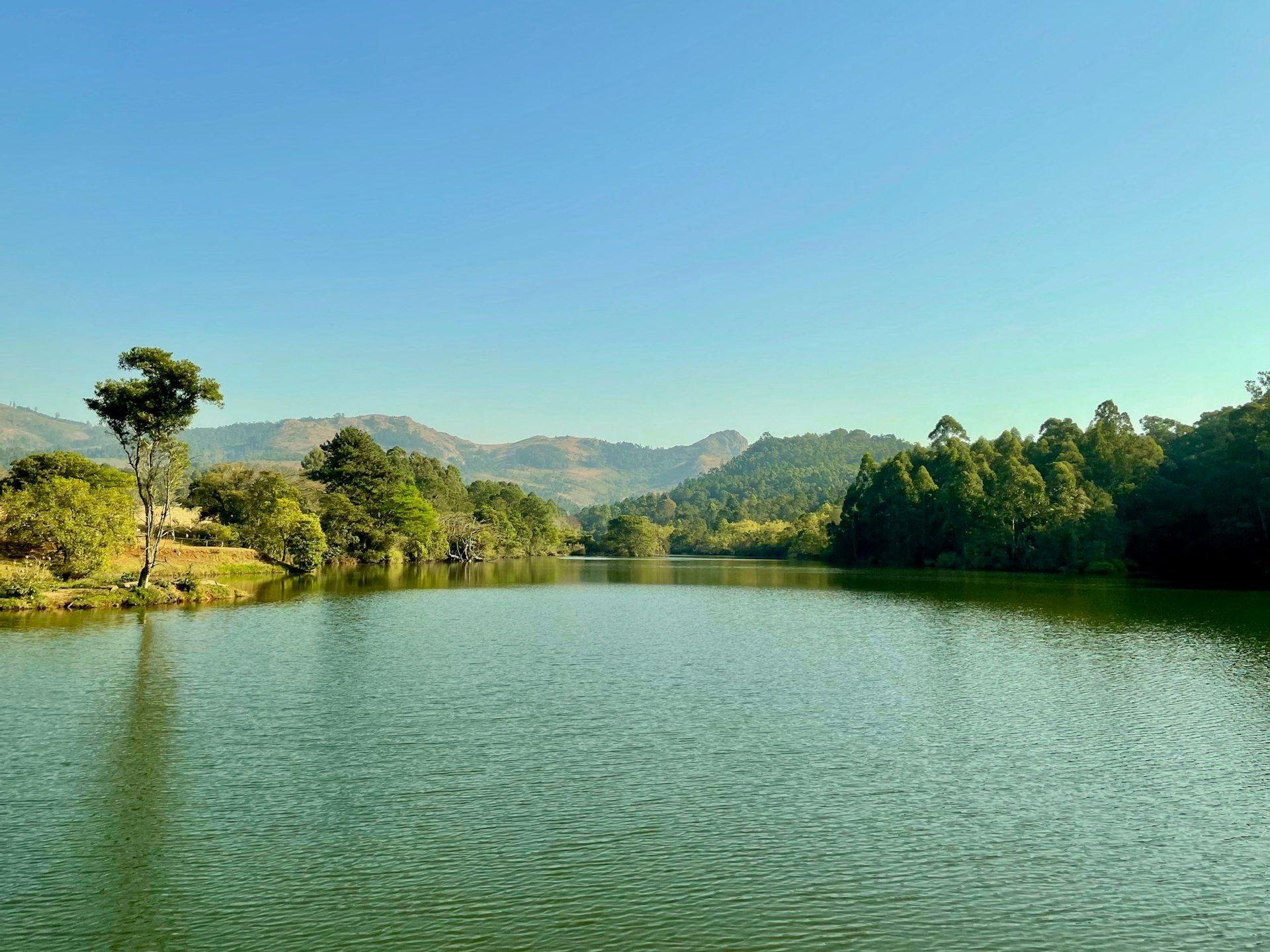
Eswatini, formerly Swaziland, is a small, landlocked kingdom in Southern Africa where a living monarchy, Swazi traditions, and dramatic highland scenery fit neatly between South Africa and Mozambique. It's a rewarding detour for travelers who want wildlife, cultural ceremonies, and easy road-tripping without the crowds of its bigger neighbors. Safari through Hlane Royal National Park and Mkhaya Game Reserve to see lions, rhinos, and elephants, hike the granite domes and waterfalls of Malolotja, and browse the Ezulwini and Manzini markets for handwoven baskets and candles. If timing allows, witness the Umhlanga Reed Dance or Incwala ceremony. Eswatini suits travelers combining it with Kruger or Mozambique, culture seekers, families, and anyone curious about one of Africa's last absolute monarchies.

Book with confidence
Book with $ 0
Lock in your spot and only pay once it's confirmed
Free changes
Switch dates or destination within 31 days, at no extra cost
Maximum Flexibility
New Flexible Cancellation! Cancel up to 24hrs before
Pay in installments
Spread the cost over time, interest-free
FAQs about Eswatini
Find out the entry requirements for Eswatini, and, if needed, apply for your visa through our partner Sherpa.
Before traveling, always remember to check the government website of your country of origin for updates on the entry requirements for Eswatini – you wouldn’t want to stay home due to a bureaucratic detail!
- UK residents: review the FCDO Travel Advice.
- US residents: consult the US Department of State Travel Advice.
- Other residents: refer to your government or local consulate's travel advice.
Eswatini is in the South African Standard Time (SAST) zone, which is UTC+2. This means that Eswatini does not observe daylight saving time, so the time remains consistent throughout the year. For example:
- If it is 12pm in the UK, it will be 2pm in Eswatini.
- If it is 12pm Eastern Time in the USA, it will be 7pm in Eswatini.
In Eswatini, the official currency is the Swazi lilangeni. The daily exchange rate can vary, but generally:
- 1 GBP is around 25 SZL
- 1 USD is about 19 SZL
- 1 EUR is roughly 21 SZL
You can exchange currency at banks, currency exchange offices, and some hotels.
Credit cards, especially Visa and Mastercard, are widely accepted in urban areas like Mbabane and Manzini. However, for smaller towns or rural areas, it's a good idea to have some cash on hand. You can withdraw cash from ATMs, which are available in major towns. It's always best to confirm with your bank about international transaction fees before you travel. Mobile payments are becoming more popular, so you might consider setting up a mobile wallet for convenience.
Tipping in Eswatini is appreciated but not mandatory. In restaurants, a tip of around 10 percent is common if you're happy with the service. For hotel staff, like porters or housekeeping, small tips are welcome. If you're using a guide or driver, consider tipping them as well for good service. Always ensure you have some local currency for tipping, as it is preferred.
In Eswatini, internet connectivity can be a bit spotty, especially in rural areas. If you're planning to stay connected, we recommend you buy a local SIM card or an e-SIM data plan. Providers like MTN Eswatini offer reliable coverage. Wi-Fi is available in urban areas and most hotels and cafes, but speeds can vary. For consistent access, a local SIM is your best bet. Keep in mind that Eswatini is not in the Schengen area, so roaming charges may apply if you're using a European SIM.
In Eswatini, the official languages are Swati and English. Swati, also known as siSwati, is widely spoken. Here are some useful Swati expressions you might hear or use:
- Hello - Sawubona
- Thank you - Ngiyabonga
- How are you? - Unjani?
- Goodbye - Sala kahle (if you're leaving), Hamba kahle (if they are leaving)
English is also spoken, especially in urban areas, making it easier for travelers to communicate.
In Eswatini, the plugs you will find are type M, which have three round pins. The voltage is 230V, and the frequency is 50Hz. If your devices use different plugs, we suggest bringing a universal adapter to stay connected during your trip.
In Eswatini, the main religion is Christianity, with a significant number of the population practicing it, often alongside indigenous beliefs. Important religious holidays include:
- Christmas
- Easter
These holidays are widely observed across the country. While Christianity is predominant, it's always respectful to be mindful of local customs and practices when visiting.
Packing for Eswatini requires a mix suitable for its varied climate and activities. Here’s what to consider for your backpack:
-
Clothing:
- Lightweight shirts and shorts for warm days
- Long-sleeved shirts and pants for cooler evenings
- A light jacket or sweater
- Swimwear if you plan to visit pools or natural water spots
-
Shoes:
- Comfortable walking shoes for exploring
- Sandals for casual wear
- Hiking boots if you plan to go on nature trails
-
Accessories and Technology:
- Sunhat and sunglasses for sun protection
- A camera with extra batteries or a portable charger
- Universal adapter for charging devices
-
Toiletries and Medication:
- Basic toiletries like toothbrush, toothpaste, and shampoo
- Sunscreen and insect repellent
- Common travel medication like pain relievers, anti-diarrheal pills, and any personal prescriptions
Remember, the climate can vary, so check the weather forecast before you leave to ensure you're well-prepared.
Eswatini's weather varies by region. Here's a quick breakdown:
- Lowveld: Hot and humid with temperatures often above 30°C in summer. Winters are mild.
- Highveld: Cooler and wetter, with summer temperatures around 20°C and chilly winters.
- Middleveld: Moderate climate, with warm summers and cool but not too cold winters.
The rainy season lasts from October to March, making April to September the best time to visit for milder weather.