Group trips to Ghana
Our organized trips to Ghana
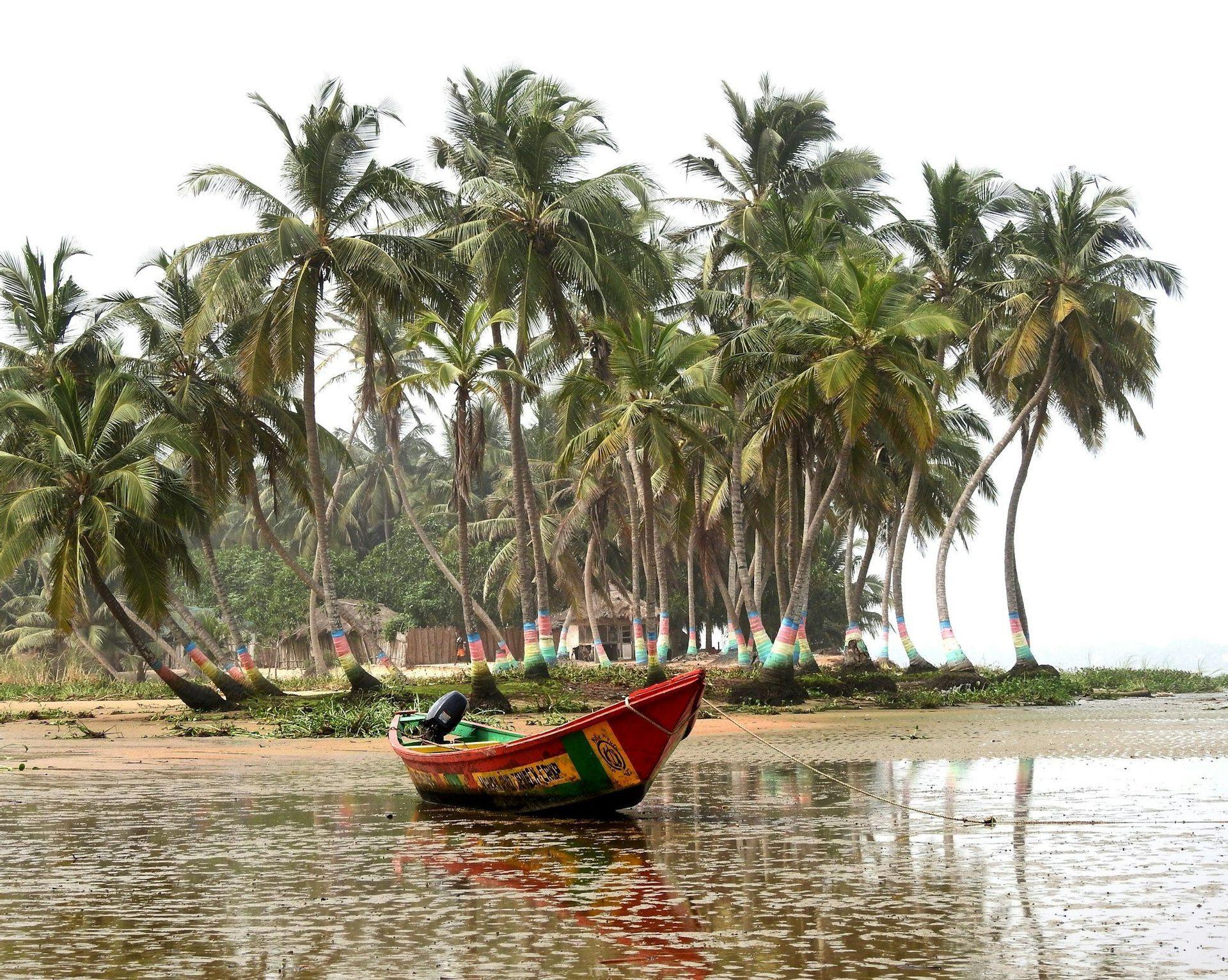
Ghana is a West African republic on the Gulf of Guinea, a country of palm-fringed beaches, Ashanti royal traditions, and sobering slave-trade forts that form a pilgrimage for the African diaspora. It stands out for warm hospitality, emerging creative scenes in Accra and Kumasi, and a deep cultural heritage. Tour the UNESCO-listed Cape Coast and Elmina Castles, wander Accra's Makola market and Jamestown lighthouse, walk the canopy at Kakum National Park, safari for elephants in Mole National Park, attend an Ashanti festival in Kumasi, and learn drumming and kente weaving in the Volta Region. Try jollof rice, banku, and palaver sauce. Ghana suits first-time Africa travelers, cultural travelers, musicians, photographers, heritage travelers, and student groups.

Book with confidence
Book with $ 0
Lock in your spot and only pay once it's confirmed
Free changes
Switch dates or destination within 31 days, at no extra cost
Maximum Flexibility
New Flexible Cancellation! Cancel up to 24hrs before
Pay in installments
Spread the cost over time, interest-free
FAQs about Ghana
Find out the entry requirements for Ghana, and, if needed, apply for your visa through our partner Sherpa.
Before traveling, always remember to check the government website of your country of origin for updates on the entry requirements for Ghana – you wouldn’t want to stay home due to a bureaucratic detail!
- UK residents: review the FCDO Travel Advice.
- US residents: consult the US Department of State Travel Advice.
- Other residents: refer to your government or local consulate's travel advice.
Ghana operates on Greenwich Mean Time (GMT) all year round and does not observe daylight saving time. If it is 12pm in the UK, it will be 12pm in Ghana as well. However, if it is 12pm on the East Coast of the USA, it will be 5pm in Ghana. This makes it easy to plan calls or activities across these regions without worrying about time changes throughout the year.
Ghana uses the Ghanaian Cedi (GHS) as its currency. The daily exchange rates are approximately:
- 1 GBP to 15 GHS
- 1 USD to 11 GHS
- 1 EUR to 13 GHS
These rates can fluctuate, so it's a good idea to check current rates before you go. You can exchange currency at banks, exchange bureaus, and some hotels.
Credit and debit cards are widely accepted in cities and larger towns in Ghana, especially in hotels, restaurants, and shops. However, in smaller towns or rural areas, cash is often preferred. Mobile money services like MTN Mobile Money and Vodafone Cash are also popular and convenient for transactions. It's a good idea to have some Ghanaian currency, the cedi, for small purchases and places that might not accept cards. ATMs are available in urban areas, so you can withdraw cash if needed.
Tipping in Ghana is appreciated but not mandatory. In restaurants, it's common to leave a tip of around 5 to 10 percent of the bill if you are satisfied with the service. For hotel staff, a small tip for good service is welcomed. Taxi drivers usually do not expect tips, but you can round up the fare for convenience. When using services like tour guides, consider giving a tip for their efforts. Keep small denominations handy for tipping.
In Ghana, you'll find that internet connectivity can vary. Wi-Fi is available in most urban areas, especially in hotels, cafes, and restaurants, but it might not be as reliable or fast as you're used to. For better connectivity, we suggest you get a local SIM card. Major providers include:
- MTN
- Vodafone
- AirtelTigo
These providers offer data plans that suit various needs. You can purchase SIM cards at the airport, in mobile network shops, or authorized dealers. Make sure your phone is unlocked so you can use a local SIM.
In Ghana, the official language is English, but you'll also hear a wide range of local languages. Among the most common are Akan, Ewe, and Ga. Here are some useful expressions you might come across:
- Hello: Akwaaba (Akan)
- Thank you: Medaase (Akan)
- How are you?: Wo ho te sen? (Akan)
- Yes: Yoo (Akan)
- No: Daabi (Akan)
While English will generally get you by, knowing a few local phrases can enhance your travel experience.
In Ghana, they use Type D and Type G plugs. The voltage is 230V, and the frequency is 50Hz. If you're traveling from a country with different plug types or voltage, such as the UK or USA, it's a good idea to bring a universal adapter to ensure your devices can be charged without any issues. Check your devices to see if they support 230V; if not, you may also need a voltage converter.
The main religion in Ghana is Christianity, with a significant portion of the population practicing various Christian denominations. Islam is also practiced by a considerable minority, and traditional African religions are present as well. Important religious holidays include:
- Christmas
- Easter
- Eid al-Fitr
Generally, there are no specific dressing requirements for visitors, but it’s always respectful to dress modestly when visiting religious sites.
Packing for Ghana involves being prepared for warm weather and different activities. Here's a list to help you get started:
-
Clothing:
- Lightweight shirts
- Shorts and skirts
- Long-sleeve tops for evenings
- Light rain jacket
-
Shoes:
- Comfortable walking shoes
- Sandals
- Flip-flops for the beach
-
Accessories and Technology:
- Sunglasses
- Sunhat
- Power bank
- Travel adapter for Type D or G plugs
-
Toiletries and Medication:
- Sunscreen
- Insect repellent
- Basic first aid kit
- Common travel medication like pain relievers and anti-diarrhea tablets
Keep in mind that Ghana is predominantly warm, so pack accordingly for comfort and sun protection.
Ghana's weather is generally warm and tropical, with some variation depending on the region:
- Coastal areas: Expect high humidity and temperatures ranging from 24°C to 30°C. The rainy seasons are from April to June and September to November.
- Northern regions: Hotter and drier, with temperatures often exceeding 30°C. Rainy season runs from May to October.
- Central regions: Similar to the coast, but slightly less humid.
The best time to visit is during the dry season from November to March when the weather is more pleasant for travel.