Group trips to Nicaragua
Our organized trips to Nicaragua
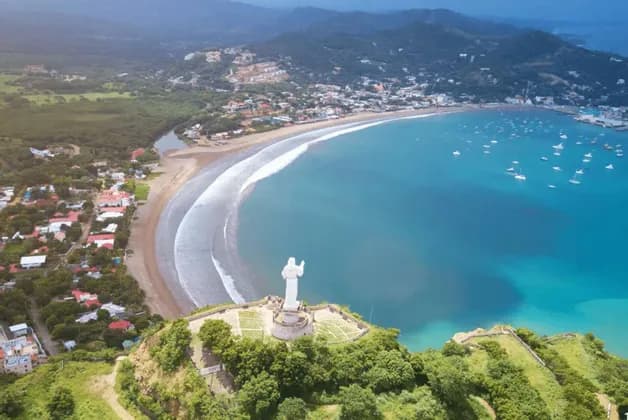
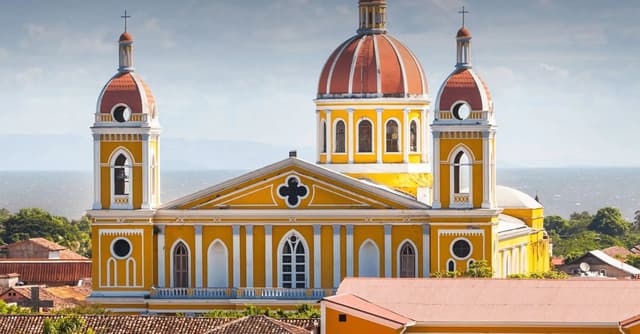
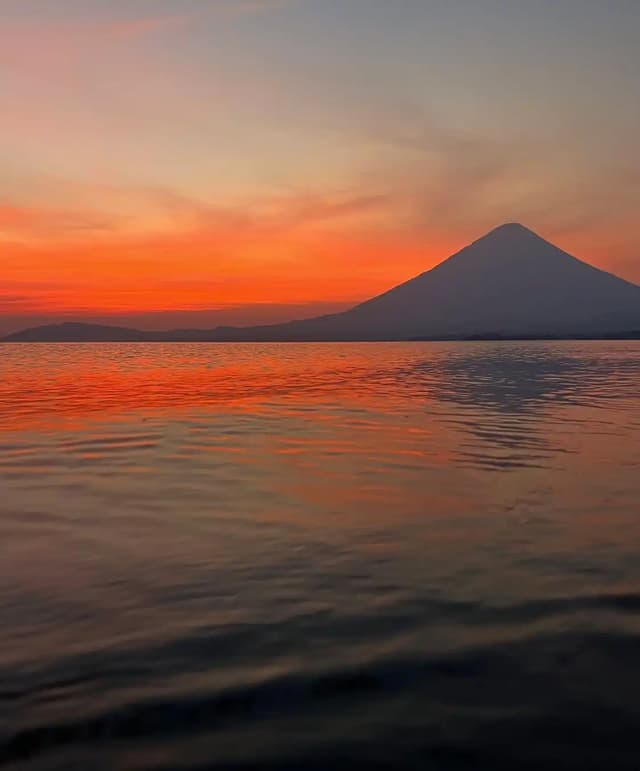
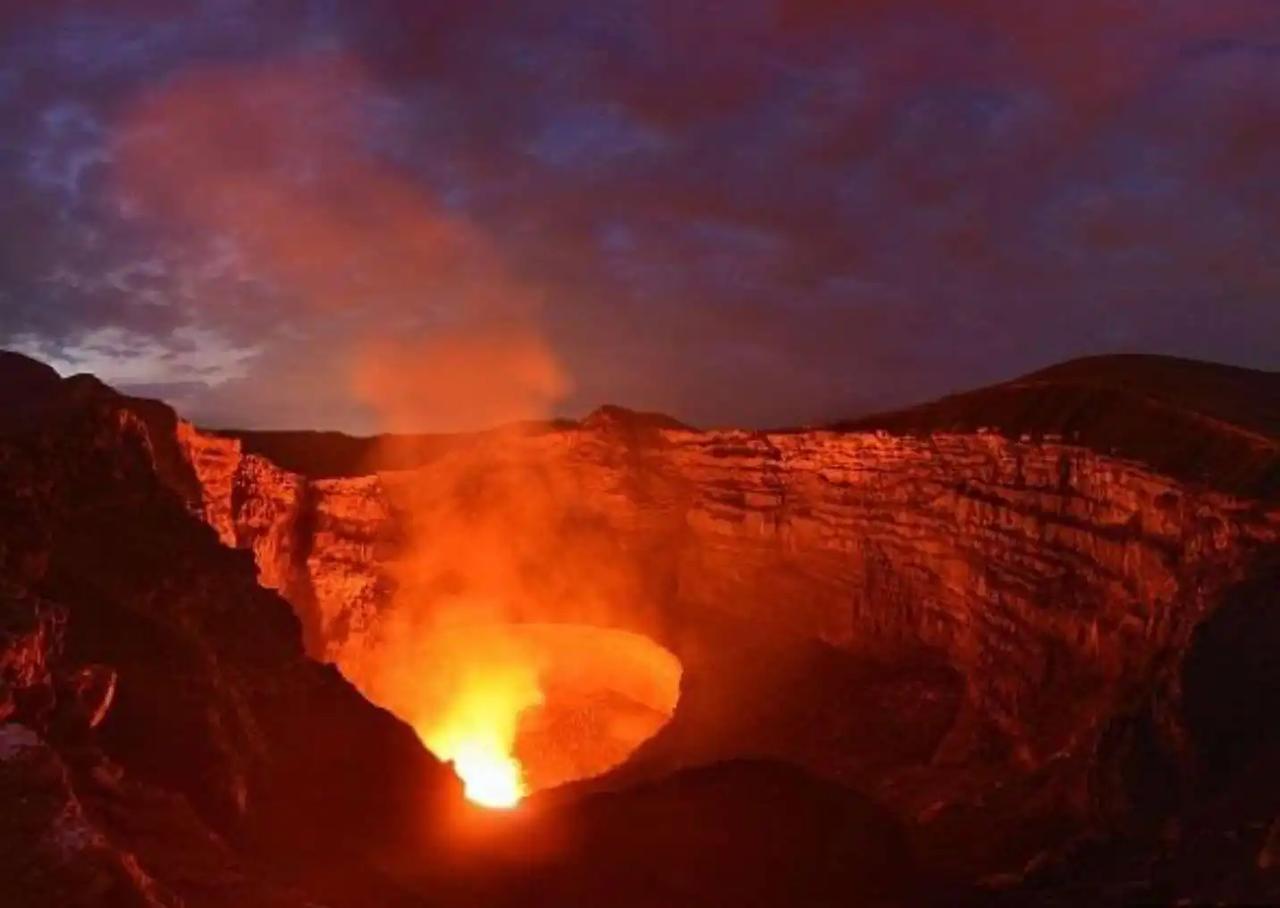
Nicaragua is Central America's largest country, a land of lakes and volcanoes with a Pacific surf coast, a wild Caribbean shore, and two colonial cities that rank among the region's prettiest. It stands out for excellent value, active volcanoes, and a young tourism scene that still feels uncrowded. Surf Popoyo and San Juan del Sur, board down Cerro Negro, wander Granada's pastel colonnades and Leon's cathedral, boat through the Solentiname Islands on Lake Nicaragua, visit the Masaya volcano lava lake, and trek the cloud forests of Mombacho. Try gallo pinto, vigoron, and Flor de Cana rum. It suits surfers, budget travelers, volcano chasers, Spanish students, and adventurers looking for the vibe Costa Rica had twenty years ago.
Book with confidence
Book with $ 0
Lock in your spot and only pay once it's confirmed
Free changes
Switch dates or destination within 31 days, at no extra cost
Maximum Flexibility
New Flexible Cancellation! Cancel up to 24hrs before
Pay in installments
Spread the cost over time, interest-free
FAQs about Nicaragua
Find out the entry requirements for Nicaragua, and, if needed, apply for your visa through our partner Sherpa.
Before traveling, always remember to check the government website of your country of origin for updates on the entry requirements for Nicaragua â you wouldnât want to stay home due to a bureaucratic detail!
- UK residents: review the FCDO Travel Advice.
- US residents: consult the US Department of State Travel Advice.
- Other residents: refer to your government or local consulate's travel advice.
Nicaragua is in the Central Standard Time Zone (CST), which is 6 hours behind the UK. So, if it's 12 pm in the UK, it's 6 am in Nicaragua. In the USA, if it's 12 pm Eastern Time, it's 11 am in Nicaragua. Nicaragua does not observe daylight saving time, so the time difference remains consistent throughout the year.
In Nicaragua, the currency used is the Nicaraguan CĂłrdoba. As for the exchange rate:
- 1 GBP is approximately 45 Nicaraguan CĂłrdobas
- 1 USD is about 36 Nicaraguan CĂłrdobas
- 1 EUR is around 42 Nicaraguan CĂłrdobas
You can exchange currency at banks, exchange bureaus, or major hotels. Keep in mind that rates can fluctuate, so it's a good idea to check for the most current rates before you travel.
In Nicaragua, you can pay using cash, credit cards, and mobile payment apps. Credit cards are widely accepted, especially Visa and MasterCard, in hotels, restaurants, and larger shops. However, smaller stores and street vendors might prefer cash. It's a good idea to carry some Nicaraguan CĂłrdobas for these situations. ATMs are available in urban areas where you can withdraw local currency. Remember to inform your bank of your travel plans, so your card isnât blocked for suspicious activity.
In Nicaragua, tipping is appreciated but not always obligatory. In restaurants, a 10% tip is generally expected if service is not already included in the bill. For hotel staff or taxi drivers, rounding up the fare or leaving small change is a kind gesture. Always check your bill to see if a service charge has been added before tipping.
In Nicaragua, Wi-Fi is available in most urban areas, particularly in hotels, cafes, and restaurants, but it might not be as reliable or fast as you're used to. Outside the cities, internet access can be limited. We suggest you buy a local SIM card or an e-SIM data plan for better connectivity. Providers like Claro and Movistar offer good coverage and affordable data plans. This way, you'll have internet access wherever you go in the country.
In Nicaragua, Spanish is the official language. Here are some useful colloquial expressions you might hear or use:
- Hello: Hola
- Thank you: Gracias
- How much is this?: ÂżCuĂĄnto cuesta esto?
- Where is...?: ÂżDĂłnde estĂĄ...?
- Please: Por favor
Nicaragua uses Type A and Type B plugs, which are the same as those used in the United States. The voltage is 120V, and the frequency is 60Hz.
If you're coming from Europe or the UK, you'll need a universal adapter to use your devices. Since the voltage is different from most European countries, itâs a good idea to check if your devices are compatible with 120V or if you need a voltage converter.
The main religion in Nicaragua is Christianity, with the majority of the population being Roman Catholic, followed by Protestant denominations. While there are no specific dressing requirements related to religion, it's respectful to dress modestly when visiting religious sites. Important religious holidays include:
- Easter
- Christmas
- Feast of the Immaculate Conception, which is widely celebrated.
Packing for Nicaragua can be a fun adventure. The weather is generally warm, so youâll want to keep cool and comfortable. Hereâs what to pack in your backpack:
-
Clothing:
- Lightweight shirts
- Shorts
- Long pants for evenings
- Swimwear
- Light jacket or sweater for cooler nights
-
Shoes:
- Comfortable walking shoes
- Sandals
- Water shoes if planning beach activities
-
Accessories and technology:
- Sunglasses
- Sun hat
- Camera or smartphone
- Power bank
-
Toiletries and medication:
- Sunscreen
- Insect repellent
- Basic first aid kit
- Common travel medication like pain relievers and anti-diarrheal tablets
Nicaragua is a beautiful destination, so pack light and enjoy your journey!
Nicaragua has a tropical climate, and the weather can vary by region:
- Pacific Coast: Hot and dry from November to April, with temperatures around 30°C (86°F). The rainy season is from May to October.
- Central Highlands: Cooler temperatures, ranging from 15°C to 26°C (59°F to 79°F), with rain mostly from May to October.
- Caribbean Coast: Warm and humid year-round, with frequent rain and temperatures around 28°C (82°F).
The best time to visit is during the dry season, from November to April, to avoid heavy rains.