Group trips to South Africa
Our organized trips to South Africa
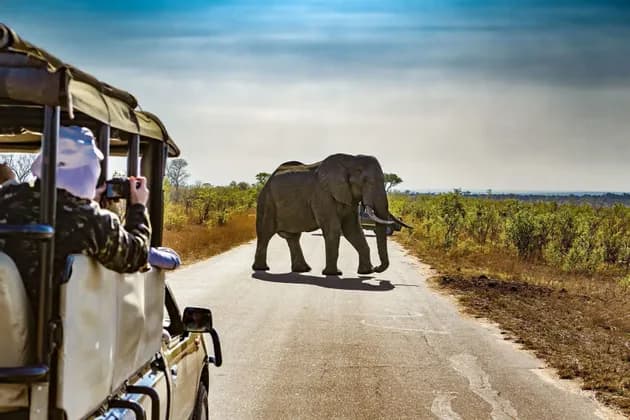
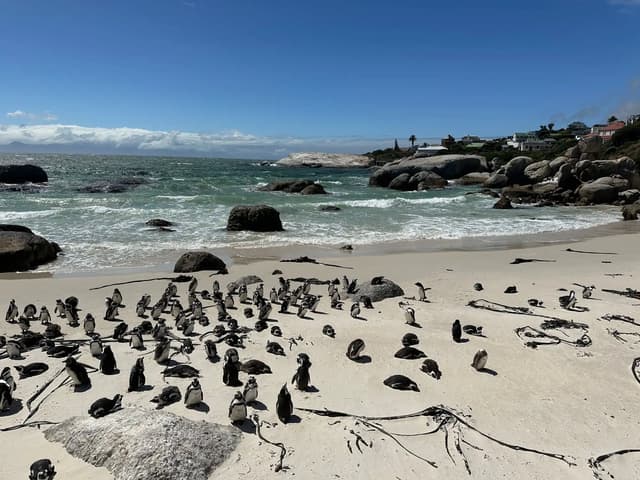
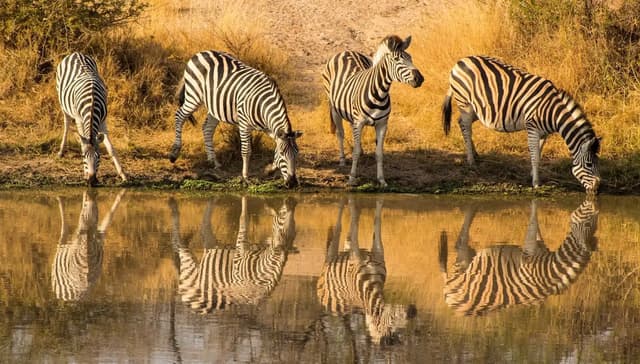
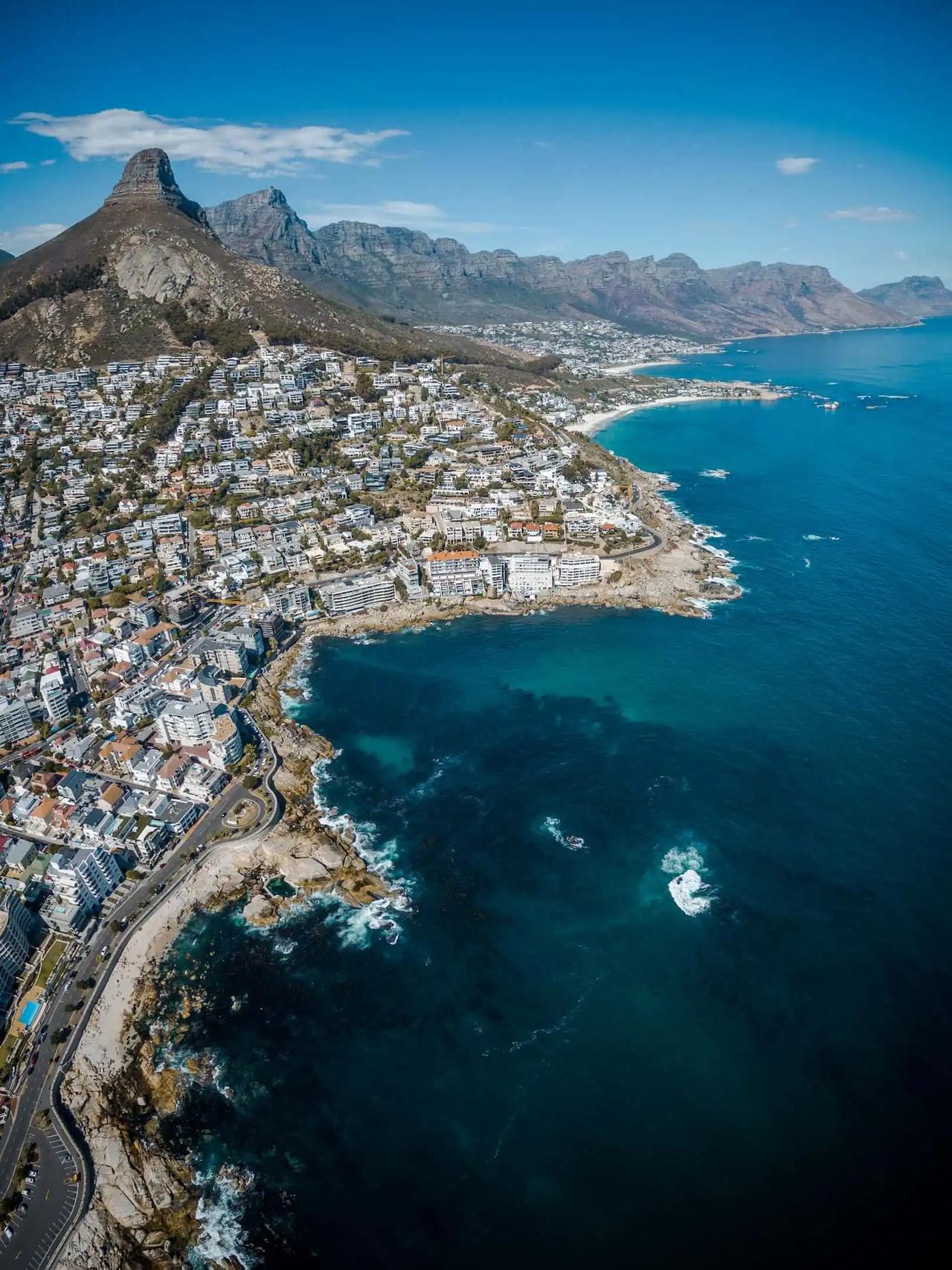
South Africa occupies the southern tip of the continent, bordered by two oceans and home to eleven official languages â a true Rainbow Nation. Its uniqueness lies in compressing world-class safaris, cosmopolitan cities, award-winning wine country, and powerful recent history into one accessible trip. Travelers can spot the Big Five in Kruger and private reserves, drive the iconic Garden Route, ride the cable car up Table Mountain, visit Robben Island where Mandela was imprisoned, taste wines in Stellenbosch and Franschhoek, watch penguins at Boulders Beach, and witness the spring flower bloom in Namaqualand. It's a perfect choice for families, couples, foodies, and first-time Africa travelers wanting a mix of wildlife, culture, and comfort.
Book with confidence
Book with $ 0
Lock in your spot and only pay once it's confirmed
Free changes
Switch dates or destination within 31 days, at no extra cost
Maximum Flexibility
New Flexible Cancellation! Cancel up to 24hrs before
Pay in installments
Spread the cost over time, interest-free
FAQs about South Africa
Find out the entry requirements for South Africa, and, if needed, apply for your visa through our partner Sherpa.
Before traveling, always remember to check the government website of your country of origin for updates on the entry requirements for South Africa â you wouldnât want to stay home due to a bureaucratic detail!
- UK residents: review the FCDO Travel Advice.
- US residents: consult the US Department of State Travel Advice.
- Other residents: refer to your government or local consulate's travel advice.
South Africa is in the South Africa Standard Time zone (SAST), which is 2 hours ahead of Coordinated Universal Time (UTC+2). South Africa does not observe daylight saving time, so the time difference remains consistent throughout the year. If it is 12pm in the UK, it will be 2pm in South Africa. In the USA, the time difference varies: if it is 12pm Eastern Time, it will be 7pm in South Africa.
The currency used in South Africa is the South African Rand (ZAR). As of the latest rates:
- 1 GBP is approximately 25 ZAR
- 1 USD is around 19 ZAR
- 1 EUR is about 21 ZAR
You can exchange currency at airports, banks, and authorized exchange bureaus in major cities.
Credit cards and debit cards are widely accepted in South Africa, especially Visa and Mastercard. It's a good idea to carry some cash for small vendors, markets, or more rural areas where card machines might not be available. ATMs are plentiful in urban areas, so you can withdraw South African Rand (ZAR) as needed. Mobile payment options like Apple Pay and Samsung Pay are also becoming more common in larger cities. Always let your bank know before traveling to avoid any issues with card transactions.
In South Africa, tipping is customary and appreciated for good service. In restaurants, it's common to leave a tip of about 10 to 15 percent of the bill. If you're taking a taxi, rounding up the fare or giving a small tip is a nice gesture. For hotel staff, like porters or housekeeping, a small tip per service is welcome. When in doubt, you can always ask locals or staff for guidance on tipping norms.
In South Africa, internet access can vary by location. Major cities generally have good connectivity, while rural areas might experience slower speeds. We suggest buying a local SIM card or an e-SIM data plan for reliable mobile data. Popular providers include:
- Vodacom
- MTN
- Cell C
Wi-Fi is widely available in urban areas, such as hotels, cafes, and airports, but may not always be free or fast. For the best experience, having your own mobile data plan is a good idea, especially when traveling outside cities.
South Africa is a linguistically diverse country with 11 official languages. The most commonly spoken ones include English, Afrikaans, Zulu, Xhosa, and Sotho. English is widely used in urban areas and for official purposes. Here are some useful expressions you might hear or use in South Africa:
- Hello (English) - Sawubona (Zulu)
- How are you? (English) - Unjani? (Zulu)
- Thank you (English) - Dankie (Afrikaans)
- Please (English) - Asseblief (Afrikaans)
- Yes (English) - Ewe (Xhosa)
- No (English) - Hayi (Xhosa)
Familiarizing yourself with a few phrases can be helpful and appreciated by locals.
In South Africa, you'll find Type M and Type N plugs, which feature three round pins. The standard voltage is 230 volts, and the frequency is 50 Hz. If you're coming from a country with different plug types, we suggest you bring a universal adapter to ensure you can charge your devices smoothly.
The main religion in South Africa is Christianity, with a variety of denominations practiced throughout the country. However, South Africa is quite religiously diverse, with Islam, Hinduism, and traditional African religions also present. Important religious holidays include Christmas and Easter for Christians. South Africa's constitution guarantees freedom of religion, so you'll find a wide range of beliefs and practices observed.
Packing for South Africa can be exciting! Here's a simple list to help you get ready for your trip:
-
Clothing:
- Lightweight shirts and shorts
- Long-sleeve shirts and pants for cooler evenings
- A warm jacket or fleece
- Swimwear
- A hat for sun protection
-
Shoes:
- Comfortable walking shoes
- Sandals
- Hiking boots if you plan on exploring trails
-
Accessories and Technology:
- Sunglasses
- Camera or smartphone for photos
- Universal power adapter
- Power bank
-
Toiletries and Medication:
- Sunscreen
- Insect repellent
- Basic first-aid kit
- Common travel medications like pain relievers, anti-diarrheal, and antihistamines.
South Africa has diverse climates, so it's a good idea to check the specific weather for your destination before packing.
```South Africa's weather varies across the regions due to its diverse geography:
- Coastal Areas (Cape Town, Durban): Summers (November to March) are warm, with temperatures around 25-30°C. Winters (June to August) are mild, ranging from 10-20°C. Cape Town gets winter rainfall, while Durban is more humid and warm year-round.
- Inland Areas (Johannesburg, Pretoria): Summers are hot, from 25-30°C, with afternoon thunderstorms. Winters are dry and cooler, around 5-20°C.
The best time to visit depends on your interests. For wildlife, June to September is ideal, while beach lovers might prefer November to March.