Group trips to Ireland
Our organized trips to Ireland
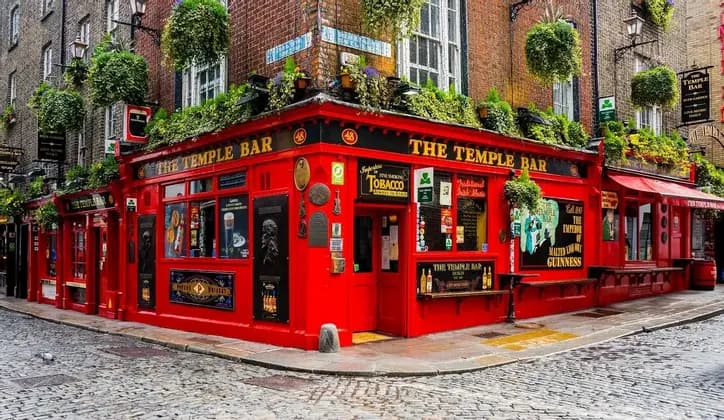
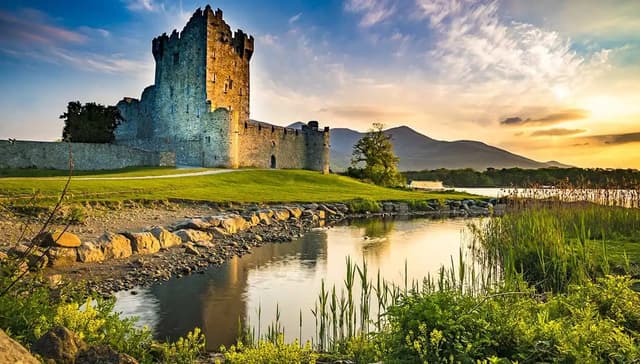
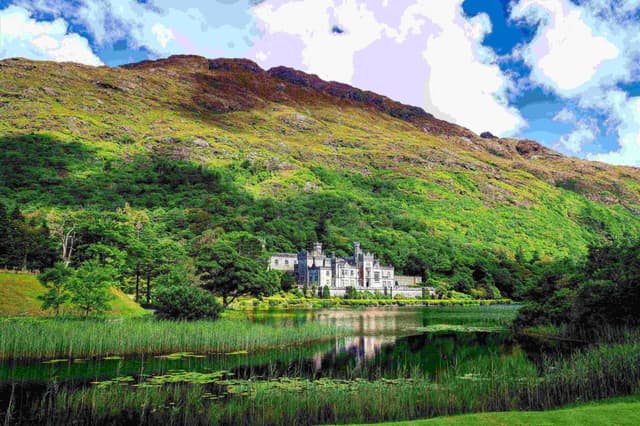
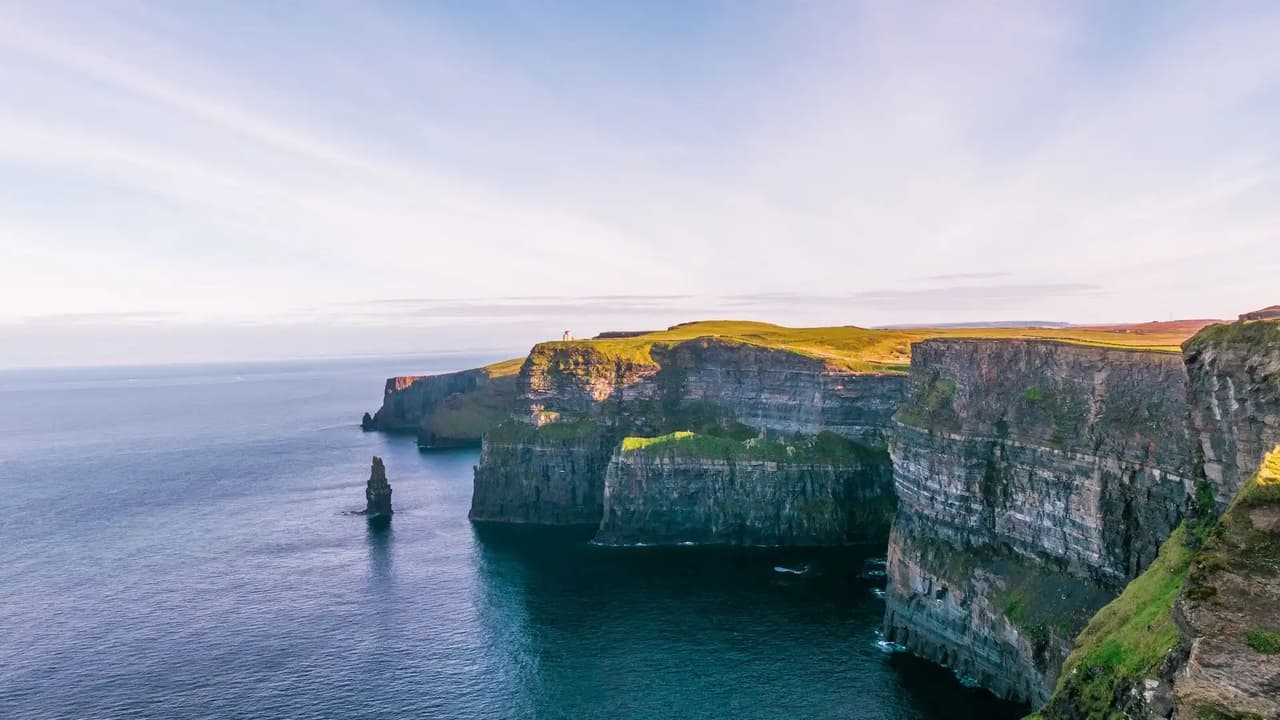
Ireland is a North Atlantic island republic known for rolling green farmland, cliff-lined Atlantic coast, and a literary and musical heritage punching far above its weight. It rewards travelers with friendly pubs, castle-dotted countryside, and some of Europe's most photogenic coastal drives. Walk the Cliffs of Moher, drive the Ring of Kerry and Wild Atlantic Way, explore Connemara and the Aran Islands, wander Dublin's literary pubs and Trinity College's Book of Kells, kiss the Blarney Stone, and catch trad sessions in Doolin or Dingle. Visit Newgrange's Neolithic tomb older than the pyramids. Taste Irish stew, boxty, brown bread, and Guinness. Ireland suits road-trippers, families, literature lovers, golfers, music fans, and travelers tracing their Irish ancestry on a weeklong self-drive.
Book with confidence
Book with $ 0
Lock in your spot and only pay once it's confirmed
Free changes
Switch dates or destination within 31 days, at no extra cost
Maximum Flexibility
New Flexible Cancellation! Cancel up to 24hrs before
Pay in installments
Spread the cost over time, interest-free
FAQs about Ireland
Find out the entry requirements for Ireland, and, if needed, apply for your visa through our partner Sherpa.
Before traveling, always remember to check the government website of your country of origin for updates on the entry requirements for Ireland â you wouldnât want to stay home due to a bureaucratic detail!
- UK residents: review the FCDO Travel Advice.
- US residents: consult the US Department of State Travel Advice.
- Other residents: refer to your government or local consulate's travel advice.
Ireland operates on Greenwich Mean Time (GMT) during the winter months and switches to Irish Standard Time (IST), which is GMT+1, during the summer due to daylight saving time.
If it's 12pm in the UK, it's also 12pm in Ireland. However, if it's 12pm in New York, USA, it will be 5pm in Ireland during standard time and 6pm during daylight saving time.
Ireland typically changes to daylight saving time on the last Sunday in March and reverts back on the last Sunday in October.
Ireland uses the Euro (EUR) as its currency. The daily exchange rate can vary, but as a rough guide:
- 1 GBP is approximately 1.15 EUR
- 1 USD is around 0.95 EUR
- 1 EUR equals about 1.00 EUR
You can exchange currency at banks, exchange bureaus, and some hotels throughout the country.
In Ireland, you can pay with cash, credit and debit cards. Visa and MasterCard are widely accepted. Contactless payment is popular, and mobile payment options like Apple Pay and Google Pay are also available in many places. It's always handy to have some cash for smaller establishments, especially in rural areas. Remember to inform your bank about your travel plans to avoid any issues with your cards.
Tipping in Ireland is appreciated but not always expected. In restaurants, it's common to leave a tip of about 10 to 15 percent if service is not included. For bars, you don't usually tip for drinks, but you can leave some change or round up if you had table service. For taxis, rounding up to the nearest euro is fine. Hotel staff, like porters and housekeeping, can be tipped a few euros for good service. Always check your bill first, as some places might already include a service charge.
Ireland, being part of the EU, allows you to use your mobile data plan with roaming if you're from another EU country, which can be super convenient. However, if you're coming from outside the EU or need more data, buying a local SIM or an e-SIM data plan is a good idea. Providers like Vodafone, Three, and Eir offer various plans. Wi-Fi is widely available, especially in urban areas, with many cafes, restaurants, and hotels offering free Wi-Fi. Keep in mind that in more rural areas, Wi-Fi might be less accessible, so having a local SIM could be handy for staying connected.
In Ireland, both English and Irish (Gaeilge) are spoken. English is predominantly used, but Irish is also an official language and is taught in schools. When visiting, you might hear or use some Irish expressions. Here are a few:
- Hello: Dia dhuit
- Thank you: Go raibh maith agat
- Cheers: SlĂĄinte
- Goodbye: SlĂĄn
Most people in Ireland speak English fluently, so you'll have no trouble communicating during your visit.
In Ireland, you'll find Type G plugs with three rectangular prongs. The standard voltage is 230 V, and the frequency is 50 Hz. If you're coming from a country that uses a different plug type, we suggest bringing a universal adapter to ensure you can charge your devices without any issues.
The main religion in Ireland is Christianity, with the majority of the population identifying as Roman Catholic. Important religious holidays include:
- Christmas
- Easter
- St. Patrick's Day, which is both a cultural and religious celebration
While Ireland is generally relaxed about religious practices, if you plan to visit religious sites, it is a good idea to dress modestly out of respect.
Ireland's weather can be quite changeable, so it's a good idea to be prepared for a mix of conditions. Here's what we suggest you pack in your backpack for Ireland:
1. Clothing:
- Waterproof jacket
- Warm sweater or fleece
- Light layers like t-shirts and long-sleeves
- Comfortable jeans or pants
- Scarf and gloves for cooler days
2. Shoes:
- Waterproof walking shoes or boots
- Comfortable sneakers
- Dress shoes for evenings out
3. Accessories and Technology:
- Travel adapter (Ireland uses Type G plugs, 230V, 50Hz)
- Power bank for electronics
- Camera or smartphone for photos
- Umbrella
4. Toiletries and Medication:
- Basic toiletries like toothbrush, toothpaste, shampoo
- Sunscreen for sunny days
- Common travel medication like ibuprofen, antihistamines, and motion sickness tablets
Prepare for any weather, and you'll enjoy exploring the Emerald Isle in comfort.
Ireland has a temperate maritime climate, so itâs generally mild and damp year-round. Keep in mind:
- West Coast: Expect more rain and wind, especially in fall and winter, with mild temperatures.
- East Coast: Slightly less rain compared to the west, with similar mild temperatures.
- Summer (June to August): Warmest months, typically 15-20°C, with longer daylight hours.
- Winter (December to February): Cooler, around 0-8°C, with shorter days and occasional frost.
The best time to visit is late spring or early fall for pleasant weather and fewer crowds.